
 Loading more
Notable Names of Blackburn and Darwen
James Cunningham | William Ewart Gladstone | Joseph Harrison | Rev Dr Nightingale
James Hargreaves | Samuel Crompton | Richard Arkwright | John Kay | Roger Haydock
Dr James Taylor Thom Ramsay | David Johnson | Kathleen Ferrier | John Spencer | Jacob Howarth
William Kenworthy | Mrs Elizabeth Ann Lewis | | Robinson Bradley Dodgson | Mrs. Elma Amy Yerburgh
Darwen’s First Woman Magistrate | Lucy Mellodey | William Griffiths, M.B.E. | James Dixon | Toafiq Wahab
Charles Haworth | Thomas Whewell | Frederick Thomas Marwood | Briggs Holden Marsden
Dr Henry Armstrong Cheesbroug
 © BwD - terms and conditions
 Self Made Man
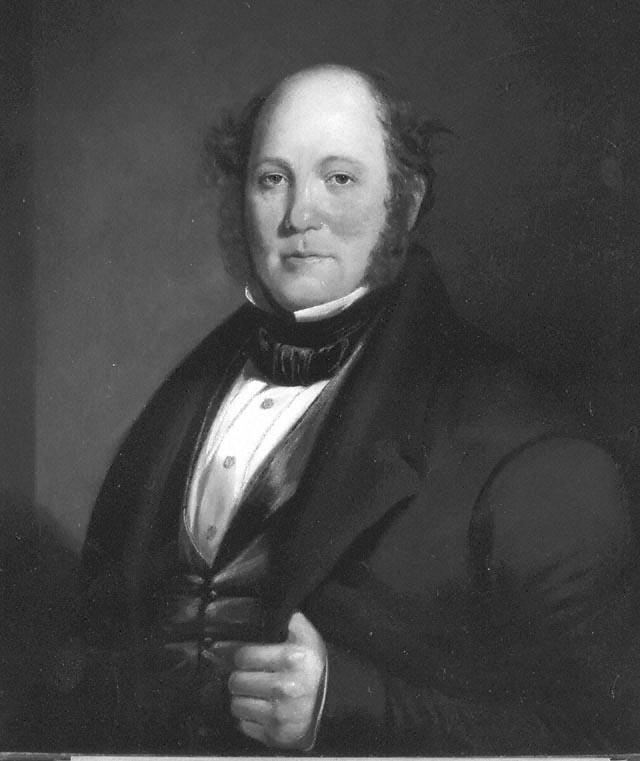
James Cunningham was elected Mayor of Blackburn in 1859, having spent many years building up his reputation and social standing in the town.
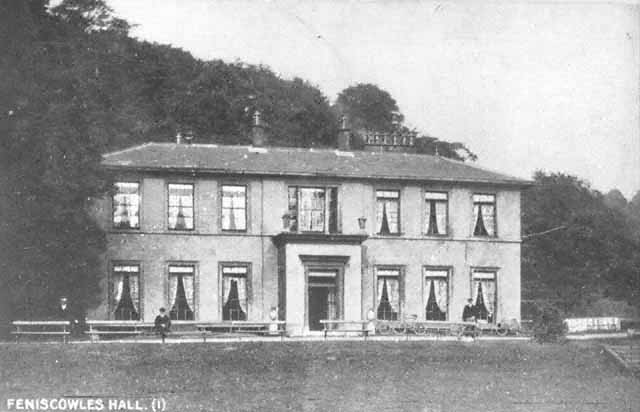
He first came to Blackburn in the 1820’s from the Scottish borders (where exactly we are unsure of)* to work under service as butler to William Feilden at Feniscowles Hall in Pleasington. As a Conservative Member of Parliament William Feilden would frequently travel to London with his butler on matters of Parliament. It is during this time that Cunningham was able to build on his passion for politics and observe the etiquette of the upper class.
© LET - terms and conditions
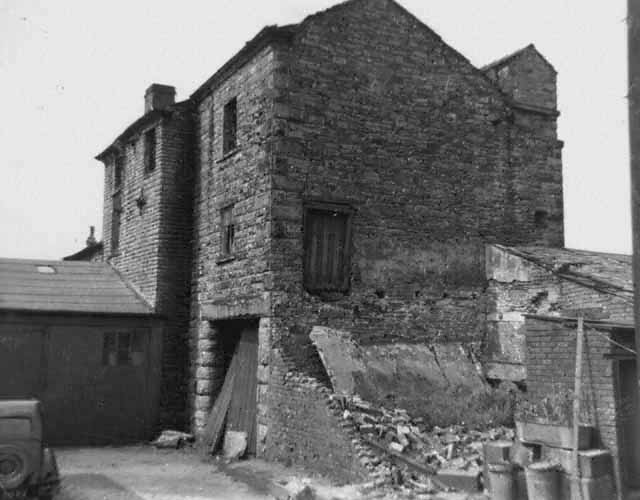
During his time in service with the Feildens James Cunningham built up a tidy savings account, and after 30 years as butler he left the household in 1836 and bought a brewery close to the town centre, called Snig Brook Brewery, just off Montague Street. Using the business and social skills learnt from his employer James Cunningham was able to build up the brewery, and in turn established himself as a successful business man in the town. His success as can still be seen today in the form of (what is now) St Pauls Working Mens’ Club on Montague Street, the residence Cunningham built for himself with the profits from the brewery, an achievement he was very much proud of. It is an impressive building, built to show the wealth of its owner.
Due to his success as a business man in the town, James Cunningham was able to enter the town council as a representative of the St Paul’s ward, the area in which his home and brewery were situated. He was able to move further up the social ladder, due to the backing he had from the Liberals, to become first an Alderman (a body of people in aide to the Mayor with a legislative function) and later in November 1858 he was elected Mayor.
© BwD - terms and conditions
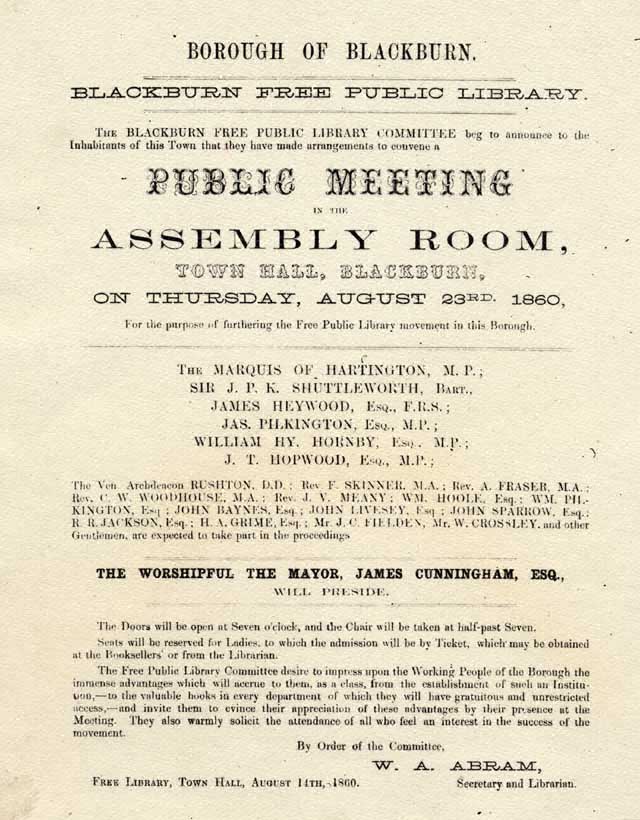
It is certain qualities in his personality that enabled Cunningham to achieve the title of Mayor of Blackburn. He was a popular man not only with the upper classes of Blackburn, due to his interest in politics and success as a brewer, but also with the poorer classes to whom he was able to relate. He never forgot where he came from, and had experienced first hand the restrictions that came with being poor. He was passionate about improving services and conditions for the poor in Blackburn. For example, his biggest achievement as Mayor was to open a free public library, spending £150 on books. This gave the under educated poorer classes an opportunity, usually restricted to those with money, to learn to read and expand on their knowledge.
 © BwD - terms and conditions
James Cunningham was an inspirational man, building up his success and status from butler to Mayor through determination and his passion to help. He was a very social, laid back person with a good sense of humour and a happy demeanour which made him popular with everybody he met. For example, even after quitting politics the Conservatives re elected him as Alderman in 1865, achieving the largest number of votes of any Alderman ever elected. He used his success, popularity and wealth to help others all throughout his life. He was a big donor and supporter of the Widows and Orphans Fund who in 1873 awarded Mr Cunningham the title of ‘Loyal Order of Ancient Shepherds, Widows and Orphans Fund’. It was said of him during the presentation of this title
“You have been a father to the fatherless, you have caused the widow to wipe away the tear of sorrow from her eyes, and caused her to rejoice when she knows there was someone to watch over her little ones...”
James Cunningham died on 19th October 1876 in Lytham at the age of 80, having built himself up from butler, to alderman, to mayor and finally to county magistrate. His legacy was not forgotten. A portrait of Cunningham was hung in the Free Library and Museum, and still hangs there to this day.
* Although the books such as Abram’s Blackburn Characters claim he was born in Scotland, this is untrue. He was of Scottish descent, but was born in Haydon Bridge, Northumberland, his parents having moved there from Ayrshire. In 1866,he placed a stained glass window in the church at Haydon Bridge in memory of his parents Henry and Eleanor.
Researched and written by Helen McFeely, volunteer at Blackburn Museum
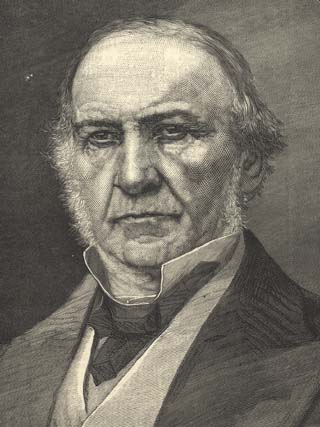
Why is there a statue of Gladstone in Blackburn is a question that is frequently asked. The'Grand Old Man' was not born in the town and never represented it. Indeed Blackburn was the first town in the land to honour the G.O.M. with such a monument after his death. To answer the question we need to look at Gladstone's career.
William Ewart Gladstone was born on December 29th 1809 in Liverpool, the son of a merchant. He was educated at Eton and Oxford where he won a double first. He was elected MP for Newark in 1832, the year of the Reform Act. He became a junior Lord of the Teasury in the short-lived Peel administration of 1835. In 1841 when Sir Robert Peel was again in power, he became Vice-President and then President of the Board of Trade. His instincts were becoming increasing Liberal however and in 1846 he left his Tory seat in Newark and became a Liberal MP for the University of Oxford.
When Lord Palmerston, the Liberal leader, became Prime Minister in June, 1859, he offered Gladstone the post of Chancellor of the Exchequer. Gladstone first became Prime Minister in 1868. He was to become Prime Minister again in 1880, 1886 and 1892. Extension of the franchise is ever associated with Gladstone's name, although it was Disraeli's 1867 Reform Act which had given the vote to every male householder. Gladstone though was a keen advocate for votes for working men, and it was this perception of him which established him as the champion of the people.
Gladstone's other great cause was Home Rule for Ireland, but Tory and House of Lords opposition frustrated all his attempts. Gladstone saw further than any of his contemporaries. He correctly forecast the consequences of the arms race that was a feature of the late Victorian age in Europe, but his warnings went unheeded and his own grandson was to die in the Great War that followed. He was an inspired speaker and his oratory attracted thousands to his open-air meetings. He was particular popular in the industrial areas of the North. His words went to the hearts of men and women who knew they hadn't much to expect from those in power. They knew he was different - a man of the people. He died in 1898, aged 88 and was buried at Westminster Abbey.
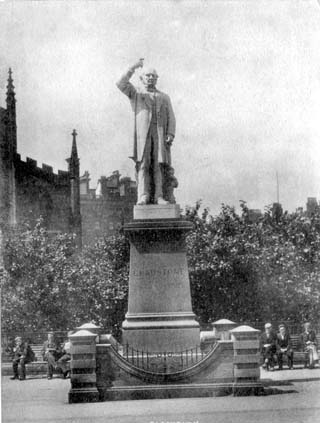
Blackburn's Gladstone statue was also its first one. A public subscription secured the £3,000 cost. Adams Acton, who had known Gladstone and created the statue of him which adorned Liverpool's St George's Hall, was the sculptor. The Earl of Aberdeen unveiled the statue on November 4th 1899 in the presence of 30,000 spectators. The statue originally occupied a site on the Boulevard and was there to greet Victoria when her own statue was unveiled six years later. However Gladstone and Her Majesty never got on. Perhaps she'd been jealous of the G.O.M's popularity. Certainly it was better for both when Gladstone was later moved to his present situation by the College; besides he was always, first and foremost, a man of learning.
Iron Master
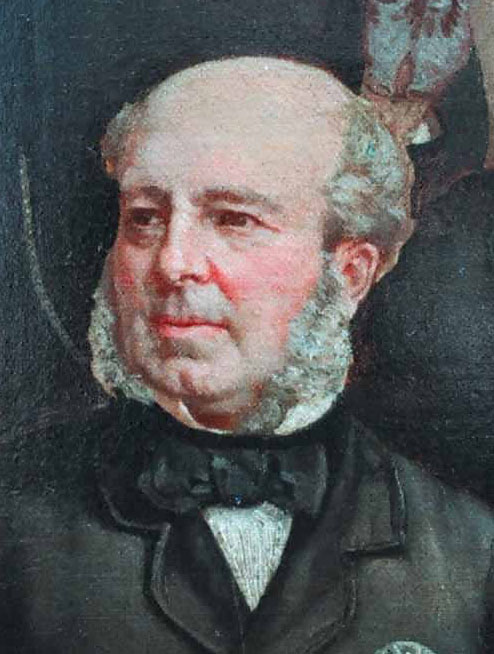
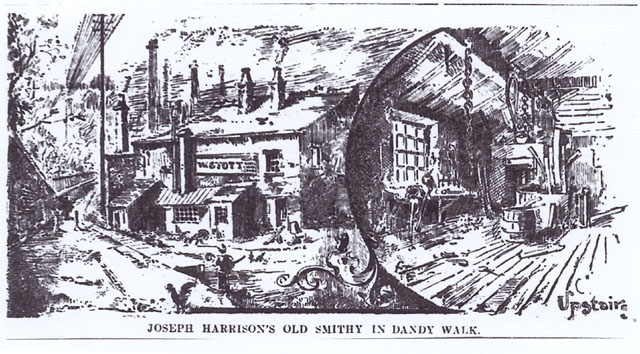
Joseph Harrison was born in Ingleton in 1804. His father was a mining engineer. Joseph became an itinerant blacksmith and settled in Blackburn in 1826. He set up business in the old smithy in Dandy Walk, originally the smithy for the Dandy Walk factory set up at the beginning of the 19th century. After marriage to Elizabeth Hodgson he took up residence in Darwen Street.
Harrison specialised initially in wrought-iron work, manufacturing gates many of which could be seen in the town, eg the entrance gates to Sudell House in King Street. Later he established Bank Foundry at Nova Scotia and cast lampposts for the Gas Company and the town council.
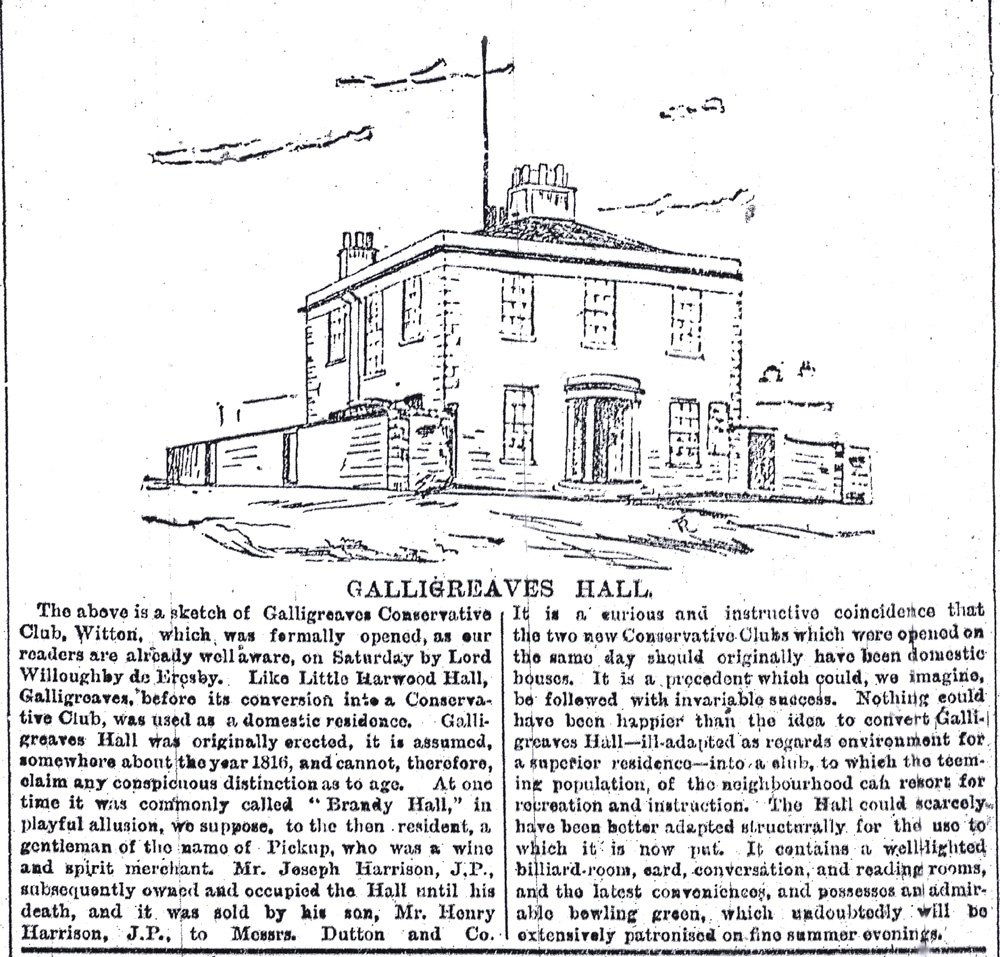
Harrison became a councillor and alderman, representing St Peter's Ward. He moved from Darwen Street to Bolton Road and in 1847 to Galligreaves Hall, which stood then in its own grounds amid elm trees and extensive lawns. Later when streets and factories hemmed it in, it became a Conservative Club and later a public house. In 1862 Harrison bought Samlesbury Old Hall and restored it to its 15th century splendour.
Harrison's three sons had distinguished careers. Henry set up the Chamber of Commerce and his name will for ever be associated with the famous Mission to China in 1896. Joseph Harrison died on February 18th 1880.
With thanks to Jim Halsall for supplying resources.
Rev Dr. Nightingale
The Story of My Life
This is a series of three articles of the autobiography of Rev. Dr. Benjamin Nightingale (1854-1928) printed in the Blackburn Times on the 18, 25 of February and the 3 of March.
Introduction from the Blackburn Times:
A melancholy interest attaches to this series of special articles, of which the following is the first. Dr. Nightingale’s autobiography was written, and he himself despatched the MS. To “The Blackburn Times,” just before his last illness in December.
By arrangement with him publication was to have commenced the first Saturday in the New Year. His death led to its being suspended till such time as the wishes of Mrs Nightingale and her family could be ascertained.
If the story of his strenuous life shows other young people what can be done by faithful endeavour, and serves as a stimulant—phrases from his own letters—its posthumous appearance will have achieved the purpose Dr. Nightingale had in view.
1—BIRTH AND EARLY LIFE
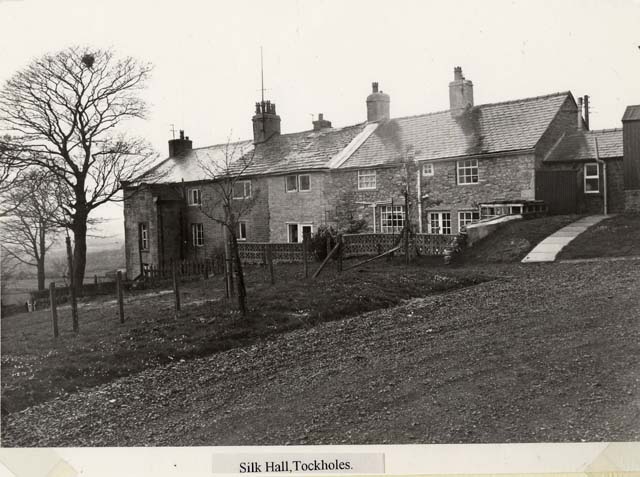
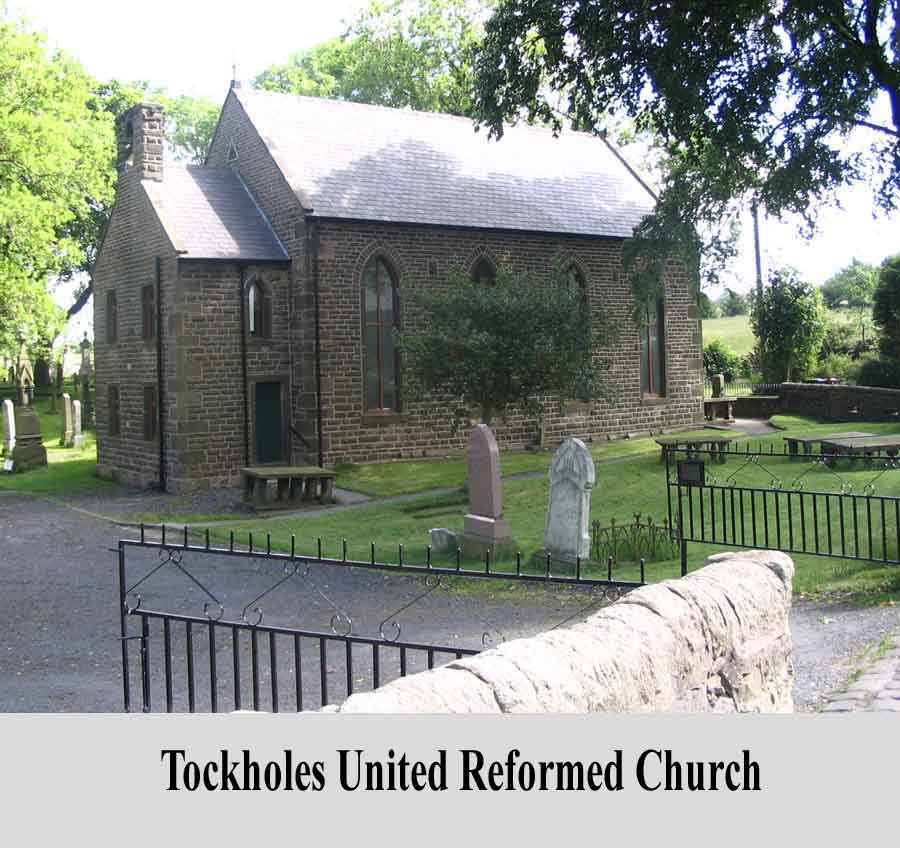
I was born on January 7th, 1854, in the little village of Tockholes, which lies some three miles from Blackburn on the old Bolton and Blackburn road. I am a little uncertain about the house. We lived for a time at Lower Hill in a simple cottage with a somewhat tall chimney, which was once seriously damaged by lightning; and from this place we removed to Silk Hall Fold, the top house near the main road; and I have always understood that this was the place of my birth.
My Fathers name was Benjamin, and the Nightingale family to which he belonged in all probability came from about Rivington near the middle of the 18th century. He was one of a numerous family, his father being William Nightingale, who was brought up at Lyons Den, a wild and desolate place on Darwen Moor Looking down the Tockholes valley. My Father’s mother’s maiden name was Nancy Grime, aunt to the celebrated Dr, Grime of Water-Street Blackburn. She survived my grandfather several years, and I remember occasionally seeing her. My grandfather left Lyons Den somewhat early and resided Sunnyhurst Wood, where he died comparatively young. The house still stands and is now used as a place of refreshment [see if it still there]. My father was just a plain working man, and for some time he travelled each day to his work at Darwen, and that at a time when hours of labour were much longer than they now are. I do not remember much about him, for he began to be seriously ill when I was very young and went for three weeks to the Convalescent Home at Southport. As I was also unwell at the time it was arranged for me to go with him, and I well remember the strange feeling I had when I saw a train for the first time in my life. Southport also was very different from what it is to day. The visit did me great good but my father none, and he died after much suffering on January 26th, 1865, at the early age of 45, when I was just 11 years old.
My Mothers name was Agnes Brindle daughter of John and Agnes, who lived at Lower Wenshead. The Brindles like the Nightingales, were an old Tockholes family and very numerous about Darwen and Blackburn in later years, as well as Tockholes. Agnes Brindle, my grandmother, was a Hawkins before marriage, and so connected with the Hawkins of Preston; the Brindles were also connected with the Higsons of Blackburn. According to stories circulated in the family, my grandmother was a most remarkable woman. It is said that she had twice and twenty children (a common expression about Tockholes, meaning 22) of whom two were born on the same day, and two were buried on one day. Four of her daughters married six Nightingales and, late in life, for some reason she had her leg amputated and was provided with a wooden one from an apple tree, the pip of which, after the apple had been roasted, she had set in her young days. I never knew her, for she died for she died on February 7th, 1853, at the age of 69 years. Nor did I know my grandfather, John Brindle, who died on July 2nd, 1849, aged 66 years. My mother survived my father many years, and late in life married my father’s brother, James Nightingale, whose previous wife was Nancy Brindle, my mother’s sister. He was at the time living at the farm at Silk Hall Fold, belonging to the Congregational Church, and my mother and I went to live there. My mother died in April 1881, and was interred in the graveyard of Tockholes Congregational Church. She made no profession of religion, but she was a good woman and most devoted to her children. Unless something absolutely prevented, she was never absent from the service on Sunday afternoon.
SCHOOL MASTER’S WILLOW STICK.
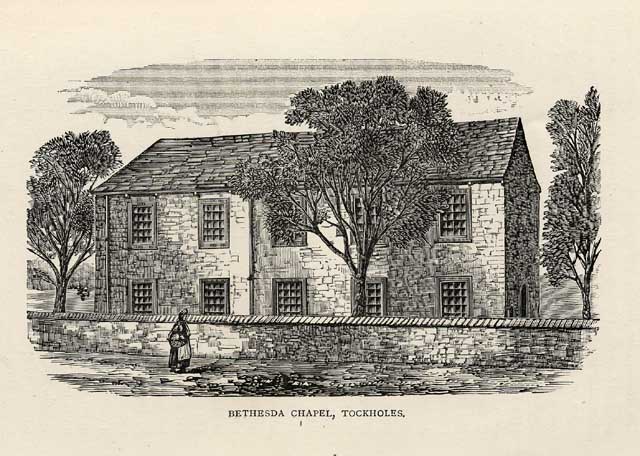
My early life was exceedingly simple and primitive, for in those days the village was very far removed from the town, and weeks and months might pass without a fresh face appearing in it. Darwen and Blackburn Fairs were red letter days in the year, when occasionally one had the privilege of going and, with a sixpence in ones pocket one felt rich beyond compare and able to buy nearly all in the fair. The day school I attended was as primitive as all else. It was a simple structure at the back of the Bethesda Chapel, in a somewhat dilapidated condition, which was said to have been the manse when that place had its own minister. There were two rooms below, the one behind being unflagged as was the case with many cottages, and called “The Shop” because there the handloom weaving was done. The teacher was Thomas Nightingale, who was one of the great men of the village, being a deacon and a choirmaster of the church, and indeed, general leader of the place, who invariably conducted the weeknight service when there was no minister and frequently occupied the pulpit. The three R’s only were taught there and those only to the very elementary stage.
A picture of the school, which was well attended, rises before me as I write. An old well spectacled man, with a long white beard, smoking his pipe, is sat before the fire in a in a broken down fireplace. In his right hand is a long willow stick and at his side a boy “saying his lesson.” While this was going on the rest of the children were left to themselves and, as may be expected, often became very noisy, with the result that the willow stick would unexpectedly descend upon them. Some would steal away into the shop and play at marbles until willow stick appeared, and others would slip outside and the spacious grounds around, where grew many trees, in the time of autumn would gather the fallen leaves for a bonfire, until again willow stick appeared to cut short their joy. I was all very primitive, and will doubtless amuse those who have educational advantages of today, but it was the only education that not a few ever had, and the old teacher was held in revered memory by those who were privileged to sit at his feet.
Quite a number of “half timers” came from Hollinshead Mill, then belonging to the Shorrocks of Darwen and in the village it needed little education to mark out a boy or girl as remarkably clever. The people would say with astonishment, “He con read th’ Bable an’t newspapper.” After a time the school was given up, and being then a half timer at the mill, for a short time I attended the one belonging to St. Stephen’s Church, whose teacher was Mr. George Slater, who lived in Blackburn during his retirement.
A WATERLOO VETERAN.
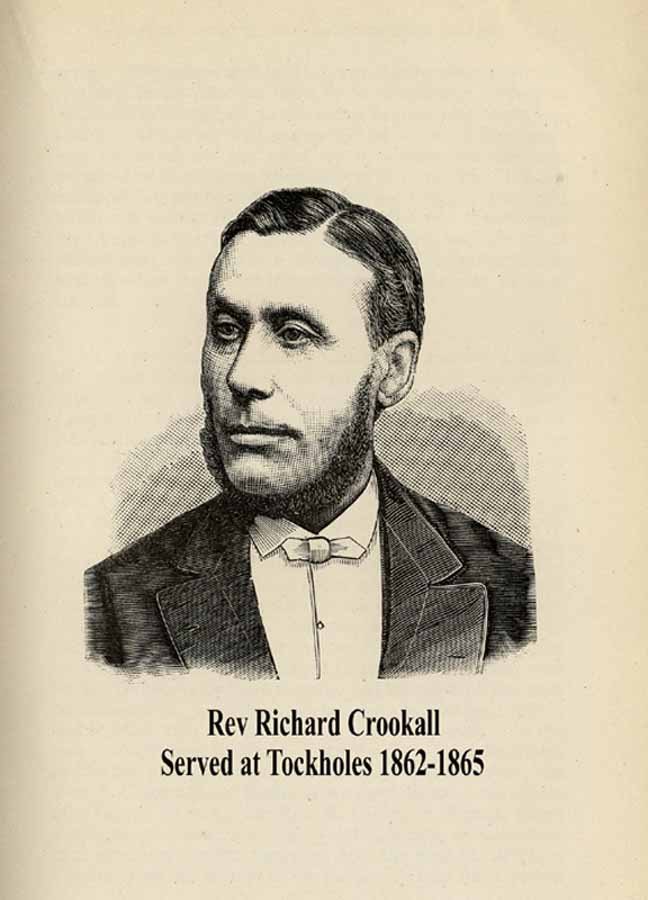
I have a very vivid memory of the Cotton Famine in 1862, though I was only eight years old. Lancashire was never more hardly hit, and the suffering of the people was very great. Many indeed, who had moved in spheres of comparative comfort, were utterly reduced and some carried to the grave burdens of debt then contracted. Tockholes, which was largely dependent on its two mills, suffered as did many other places, and soup kitchens and food stores were opened. The vicar, the Rev. G. Hughes, BA, and the Congregational minister, Rev. Richard Crookall, worked heartily together in the endeavour to relieve the distress of the people. Young as I was, I well remember spending days in travelling with my elder brother, William, in search of work to no purpose, and the rejoicing was great when the famine ended and the people again got to work. It was thought at one time, with a view to finding employment for the people, that an attempt would be made to level the Morris Brow, which has always been a serious difficulty for vehicular traffic between Blackburn and Tockholes, but the idea was abandoned as much too costly for the authorities to face.
There were several curious characters in the village, one of whom went by the name of “Owd Kester o’th cloise.” He was of great age and was a Waterloo veteran. He was accustomed to go round the village selling small articles and very few dared to refuse to buy. He was regarded by the people as the centre of much mystery, as he told strange stories of his doings when he was in the army.
I do not claim to have been any better than other boys of my age but it is only truth to say that I was happily saved from falling into evil habits not uncommon. In this connection I recall an experience that marked a critical moment in my life. At one place in the village, a person had recently opened a sweet shop and started a lottery, and not a few of the boys spent hours there gambling in a small way. I went one Saturday night and played a considerable time, with what result I cannot say, but I was not easy whilst I was there. The company was not quite to my liking and I vowed that I would not go again. The vow was kept and I often thank God that it was, for of those who frequented the place few made anything of life.
MILL WORKER AT TEN.
When I was quite young, not more than 10 years of age, I began to go to the mill. There were two cotton mills in Tockholes. One which went by the name of “Redmayne’s Mill” was built about 1838 by the Redmayne brothers, who had connections in both Blackburn and Preston. This subsequently passed into the hands of Henry Ward, of Blackburn and in my young days it was at its best. The other was built by Eccles Shorrock of Darwen in 1859, being known as “Hollinshead Mill.” It was here that my elder brother and I worked, and in those days working hours were much longer than they now are and the conditions much less Favourable. This mill later passed into the hands of Messrs George and Ephraim Hindle, of Blackburn. Both buildings have now disappeared, but in those days some two or three hundred people were employed in them and they were a great boon to the village.
About this time also there was a considerable amount of handloom weaving in the place the looms being in that part of the house which has already been referred to as “the shop,” and often far into the night and even into early morning the candlelight’s might be seen twinkling in the windows, the weavers being anxious to finish their pieces so that they could take them on the Saturday to Blackburn to those who employed them. Not infrequently the weavers kept time with the shuttle by singing some well known hymn, and it is said that a certain Darwen minister, who late in life gave himself to handloom weaving, used to sing “Oh what heavenly work this is, hands, feet and arms singing praise to the Lord.”
Shut in within themselves and having so little contact with the larger world outside, it is no wonder that superstition lingered long in these villages and Tockholes was no exception to this. Linked with almost every house of any age was some ghost story which was seriously believed by the people. There was a least one family also that had that had the highest veneration and reverence for the cricket. It was known that there was a considerable colony in the house, for the chirpings could be heard in the road some distance away. Along with some of my school fellows, I had been anxious to get a sight of this mysterious creature, as to whose strange powers many stories were in circulation. One day, therefore, we went to the house and preferred our request. We were informed that we might see the crickets on solemnly promising not to injure one of them, the person adding that for some years ill-luck had attended the family in the way of sickness and death because some time ago one of the crickets had been killed. The promise was of course given and we were admitted to the house. The hearthstone was carefully lifted and under it must have been hundreds of them, which were as carefully protected as if they had been so many guardian angels. Doubtless this was an exceptional case, for I cannot recall any other at all corresponding to it.
FAVOURITE READING.
Nearly all the people were at the same social level, farmers and artisans, simple in their habits and plain of speech, which almost without exception was the Lancashire dialect. If anyone happened to go away for a time and on his return attempted a little more refined speech it used to be said, with not a little surprise: “Eh, mon, he tries to talk fane.” In my early time I gad a somewhat serious illness which greatly reduced me. Its precise nature I do not know, for in those days doctors told their patients less about their ailments than they do now; but I vividly recall how, when walking about the village, women in particular would say even in one’s hearing: “Poor lad, he’s nod long to be here, he’s goin’ whoam fast.” How mistaken these good friends were, who were quite sympathetic in their remarks, my present years testify. The Rev A.M. Davis, who exercised a great ministry in Oldham extending over 50 years and whose training was received at Blackburn Academy, used to tell a similar story about himself. When he settled in Oldham, some of the people said that the thin, pale-faced young man was suffering from consumption and could not possibly live long. When he was over 80 Mr. Davis, relating the story, jocularly remarked: “I am consuming yet.”
I was always fond of reading, but in those days books were expensive, and for country lad money was not plentiful, consequently my library was very small. My favourites, however, were Robinson Crusoe, Captain Cook and Robert Bruce. My heroes indeed were Bruce and Wallace, and it may not sound very patriotic when I say that I rejoiced exceedingly when I read of the defeat of the English at Banockburn by my great hero, Bunyans “Pilgrims Progress” was my daily companion. I read it over and over again, told the story to my companions as we went together to our daily work, and often wished it had been literally true instead of allegorical, so that I might take a similar journey.
I was also greatly interested in missionary stories, which were often most exciting; for in those days the romance of Christian missions was at its height and “The Juvenile Missionary Magazine” was my great delight, which has been long extinct for many years read every sentence in it, long preserved and treasured the copies and often felt that I would like to live and work in those strange and distant lands with which they were concerned. So my young life went on happily in the little place which was not much longer to be my home.
Religious Decision And Preparation For College.
One of the chief centres interest in the village is the little Congregational Church whose history reaches back at least to “The Great Ejection” of 1662. Linked with those early days especially, is a great deal of real and most wonderful romance. The people were of a strong and sturdy type, faithful to their religious principles when there was considerable risk in being so, and tradition tells how they used to meet in secret places, of which there were many in the neighbourhood, and hold their meetings, when nonconformity was a forbidden thing. The history of this little church was written by me over 40 years ago. It was my first literary venture. For more than two and a half centauries it has kept the light of divine truth brightly burning in the village, and sent to the neighbouring towns of Blackburn and Darwen many who have been among the most devoted and earnest workers in the churches there. In the long line of men who have served in the ministry there are several who rank among the most distinguished men in Congregation history.
About a hundred yards away from it was Bethesda Chapel, built in opposition to it in the early part of the 19th centaury. It never however was a great success, and had only one minister. After a time it was acquired by the other people and became the Sunday school. It was a large building in quite capacious grounds, where many trees grew, which served as a graveyard. It was to this building that the manse was attached, where the day school already named was held.
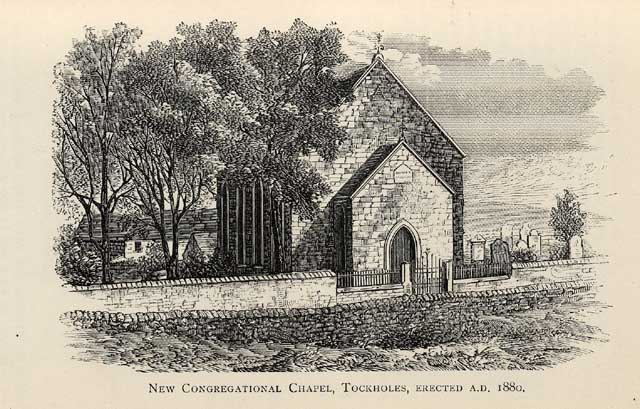
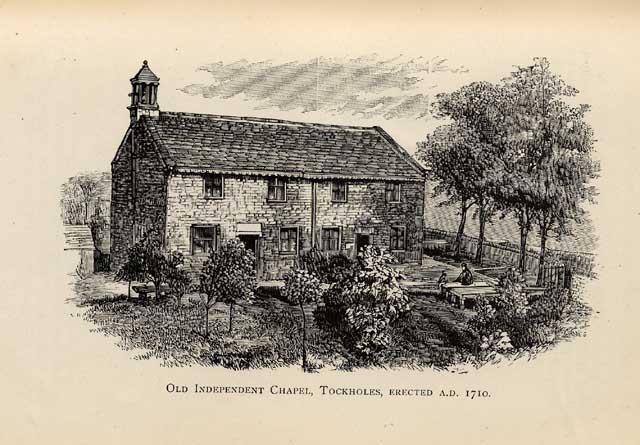
At Silk Hall was a large room over the farmhouse; that was used for weeknight services, tea meetings and Sunday evening services. Attendance at both school and church was part of the Sunday programme, which could no more be set aside than breakfast or dinner, and I often feel very thankful that it was so, and that from my earliest days the habit of attending school and church was formed and never broken. It was the old chapel that I attended, the chapel of 1710, which continued until 1880
When it was superseded by the present handsome structure on its site, and as I write, the place as it then was comes vividly before me.
THE CHAPEL OF 1770.
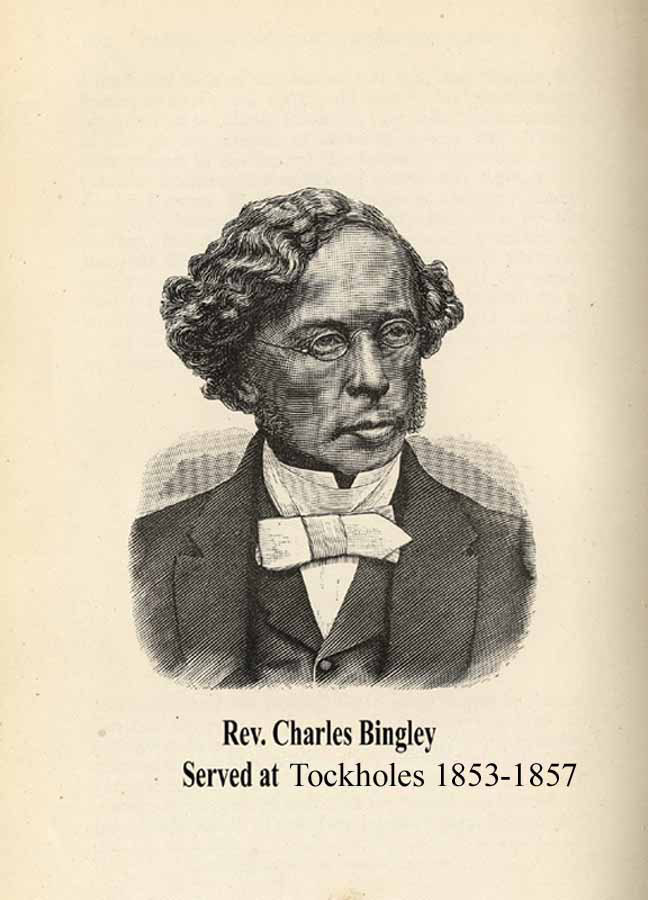
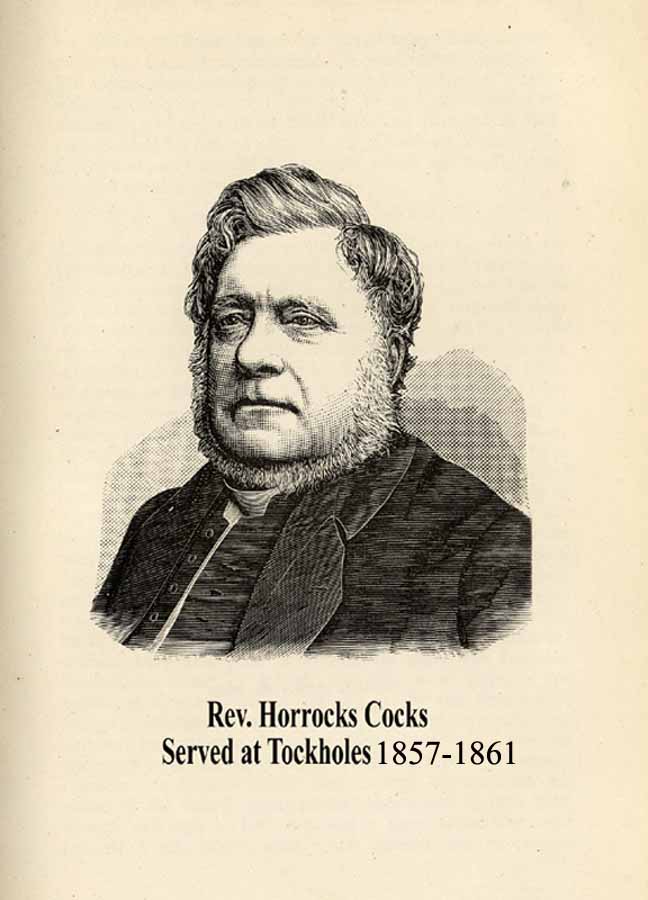
It was galleried on three sides, the pulpit being on the fourth and almost within reach of each gallery. The pews were straight backed and ours was in the gallery to the right of the preacher. The place was well attended and many good, earnest, devoted families were represented, such as the Gregsons, Smiths, Leighs, Sumners, Worrsleys, Whipps, Nightingales, Brindles, Fowlers, Richardsons, Kershaws, Dewhursts, Aspdens, and others. The earliest minister of whom I have any recollection was the Rev. C. Bingly, who was the earnest and most devoted man. As he was there only four years and left for Droylsden in 1857, my memory of him is very faint; but an incident occurred which made a deep impression on my mind, young though I was. Some part of the time my mother was seriously ill in bed and Mrs. Bingley came to see her and on leaving sprinkled something on the bedclothes which, I thought made her well again. Then, for another four years the Rev. Horrocks Cocks held the pastorate. He resided in Blackburn part of the week and the other part at the manse at Silk Hall. He will be remembered as Editor Of the “Blackburn Times,” which was just entering on its career. He was a somewhat eccentric character and always began the Sunday morning service with the same hymn, “Sweet is the work my God, my King.” In his later years he resided in London and, when I was writing the Tockholes history, I had much interesting correspondence with him. The Rev Richard Crookall followed, and as already noted, he was here during the cotton famine, [see part one] and did great work in connection with it. He was a most impressive preacher, and his appeals, to the young in particular, were often most effective. I have a vivid memory of one such appeal, when he was speaking on Absalom at a cottage meeting at the house of Mr. Whipp, New Barn. He remained only a little over three years and removed to Northallerton, in Yorkshire.
During the frequent vacancies the pulpit was occupied by various persons, ministers and laymen. The Rev Wm. Hodge, of Bretherton, was quite a favourite and he scarcely ever preached without shedding tears. Mr. Hoole, once connected with Blackburn academy, and who subsequently had an important school in the town, was another. He, also, was most pathetic in the pulpit, suggesting a very tender disposition, and I remember him once telling one of his old pupils about this, who smiled and said that there was little evidence of this in the classroom. The Rev. G. Berry, of Lower Chapel Darwen, was noted for the way in which he divided his sermons into “generals” and “particulars.” I have heard him give half a dozen generals and as many as 19 particulars, yet his visits were always welcome. One gentleman who came from Preston whose name I never knew, a layman, had a rather bad time. There was one boy in the gallery who was sometime unruly, and in the middle of his sermon he stopped and said quite sharply: “take that boy out, he has been a naughty boy for some time.” The incident made a deep impression on my mind though I was very young; I did not in the least justify the boy, but the preacher lost all his power over me and through all my ministry, whatever provocation I may have had in any service, I have never permitted myself to call attention to it by any remark from the pulpit.
A Startling Apparition.
Another gentleman, also a layman from Preston, put on rather amusing airs. Referring to the mouth of the River Nile, in slow, ponderous tones, he said; “For-r-mingh a large del-ta covered by a multi-tu-dinous number of stones-ah.”
As already stated, the Sunday school was in Bethesda Chapel in my day, though it also has given place to finer and more convenient structure at the top of Silk Hall Fold. The school was exceedingly well attended. The teachers were simple, earnest, devoted Christian men and women without any scholarship, but full of zeal for Christ. One of my later teachers was James Fielden, whose lessons betokened great preparation and study. For one while he lived in Blackburn, but he never failed his class and his scholars were greatly attached to him. To this good man, who still resides in Tockholes, I owe much, and I often feel grateful to god that it was my privilege to be a scholar of his.
One curious incident in the school life is worth relating. The superintendent was Thomas Nightingale, who has already been mentioned [see part one] in connection with the day school. One Sunday afternoon when opening the school he intimated that one of the scholars, well-known to all, was seriously ill, lying in deed at the point of death, concerning whom there was little hope of recovery, and the sentence had barely left his lips when, to the surprise of all, the scholar in question walked in to the school, comparatively well again.
In 1867, when I was just entering upon my teens, the Rev. John Robinson, from Tosside, near Settle, came to be minister and it is to him that I owe my decision for the ministry. He was an untrained man, one of several prepared for the ministry by the Rev. Joseph Wadsworth, of Clitheroe, and a most earnest and faithful preacher. I have often felt that had he had the training that men get to-day, his preaching power was such that he would have occupied a prominent position in the denomination. Very early in his ministry I began to be seriously impressed, and from about 14 to 16 years of age may be said to have been under religious impressions. Sometimes they were stronger than others, but they were always there, and I passed through much before peace came. Bother minister and teacher tried to help me, but seemingly to no purpose. A book was put into my hands, “The touchstone of sincerity” by John Flavel, an old Puritan Divine, but it was hardly the book for me at the time for tortured me with doubts and fears. Bunyan’s “Pilgrims Progress,” his “Holly War” and other works of his were read in the hope that light would come, but it held back.
A SACRED PLACE.
A little place attached to the barn at Silk Hall Fold is still very sacred to me, for there in the darkness, after returning from my work at night, I often poured out my soul in earnest supplication to God, and the ecstasy of the moment, when I felt that Jesus was my Saviour is still with me. Shortly afterwards I was received into the fellowship of the church.
Mr. Robinson was a particular fond of Nonconformist history and almost worshipped the Nonconformist heroes of bygone times. I recall visits paid to our home when he told exciting stories of Oliver Heywood, Isaac Ambrose, Thomas Jollie, the Pilgrim Fathers, and the sufferings of the early Christians in the Catacombs of Rome, all of which fired my young heart. Doubtless in part at least, those visits, as well as my connection with a church which had such a glorious history, are responsible for the form which my studies have since taken. Mr Robinson left for Ramsbottom in 1873, and subsequently was at Elswick in the Fylde district, a church whose history reaches even further back than that of Tockholes and whose career has been equally honourable and great.
Shortly after admission to the church I began to do Christian work. In particular I became teacher in the Sunday school, occasionally engaged in prayer at the weeknight service, and eventually Mr. Robinson spoke to me about the ministry. He asked me if I felt at all inclined towards it. There was no pressure of any kind and I was left to consider the matter for a time. There was one difficulty in the way. I was already engaged to Miss Sumner, my faithful, and devoted wife all through life, the representative of an old Tockholes family, and who attended the same church and school as myself. In case I went to college, which was what Mr. Robinson suggested, it meant postponing, considerably, our marriage day. When, however, I mentioned the matter to her, I found that she was not only willing but most eager for me to do it, and when next I saw Mr. Robinson I gave him my decision accordingly. He promised to give me what help he could in providing opportunities for Christian work, and occasionally I was called upon to open the Sunday school and take the introductory part at cottage meetings. Mr Robinson suggested that I should go to Nottingham, but being an untrained man himself, he could give me very little help in preparing for this
GREEK STUDIED AT THE LOOM.
I began the study of Greek and used to take my book with me to the mill, snatching occasional minutes to look at it. I was a four-loom weaver; the working hours then were from six to six o’clock, and, as I had over a mile to walk each way, it meant from 5.30 to 6.30. On arriving home at night, after a simple meal, I went into my little bedroom to study and often remained there until one o’clock in the morning. The little window of the room where this was done looks out upon the Fold and I never see it without vivid memories of the struggle of those days. My mother, who was most devoted to me and eager to help me all she could, used to waken me at five in the morning, and this I did for quite three years. I saw, however, that some further help than my life in Tockholes promised was necessary and I resolved to go Darwen to live with my brother William at Hollins Grove. He was an overlooker at Eccles’ Mill, and work there was secured for me. I often vividly recall the day of my removal: it was a most trying experience. I had never really been away from home before; it was the opening of a new chapter in my life history. As already noted, my mother had been married to my uncle James, [see part one] but I felt greatly the wrench from her and the old home. I took the way over the Winter Hill carrying in a parcel a few of my belongings. When I reached the top, I looked behind it, the dear old home that I was leaving forever and before me at the town of Darwen in the Valley, a sort of mystery land, and though I was then a young man, I wept tears of deep sorrow. My life in Darwen was not very eventful. I joined the Church of Belgrave, of which the Rev. James McDougall was pastor, and attended the young men’s class there, of which Mr Nicholas Fish was the teacher. He was an able man and many of the young men subsequently rose to promise in the town and held impotent positions in the church. Mr McDougall gave me such help as he could, but he was to busy a man to do much. He got me my first preaching appointment, which was at the little chapel at Wiswell, near Whalley, which as since been replaced by the church at Barrow. The building, which has been turned into cottages, will always be. Sacred to me, for there I took my first full service and preached my first sermon. I remember well the time. The leading man there was Mr Hugh Harrison, a most devoted Christian worker, who always took a great interest in me. My sermon was on the text: “What think ye of Christ.” (Matt.xxii, 42.) I had quite a good time and was so delighted with the opportunity of preaching that I refused a fee, even travelling expenses, and thought I ought to give the people something for the privilege of taking the service. By a singular but happy coincidence, the cause at Wiswell was originated and the chapel built by a relative and namesake—Rev. Benjamin Nightingale, who was subsequently minister at Ramsbottom.
Story continued on page 2