Loading more
Page 3
< Back to page 2Proceed to page 4 >
James Taylor Thom Ramsay was born in Dundee on July 14th 1854. His father George was employed by the Harbour Trustees. His mother Margaret was the daughter of James Thom of Peterhead. At the age of ten he joined the spinning department at Baxter Brothers and progressed via the weaving department to the mechanics' shop, where he completed his apprenticeship in 1872.
He worked from five in the morning until six at night and supplemented a meagre income by acting as knocker-up. He devoted what spare time he had to study: Latin grammar and Euclid, and obtained a post as teacher to the blind. Again the pay was meagre and he worked as a proof-reader on the Dundee Advertiser to make a living wage. By now he was working eighteen hours a day.
In 1874 James had obtained a scholarship at the Dundee High School. In 1879 he matriculated at Edinburgh University, where the strain of over-work at last became too much and he suffered a breakdown. He cured himself by taking a passage on a steamer bound for Newfoundland. On his return he worked first as assistant to a doctor in Wharfdale and then joined Dr Grime, the senior physician, in Blackburn.
James returned to Blackburn after completing his studies at Edinburgh in 1891 and married Margaret Baines. He became a familiar figure in the town with his frock coat and broad-brimmed, silk hat. He succeeded Dr Grime as the Factory Doctor and was known to stand no nonsense.
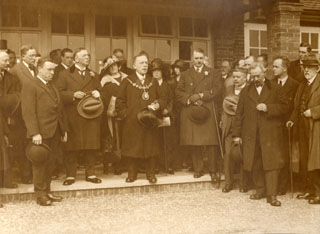
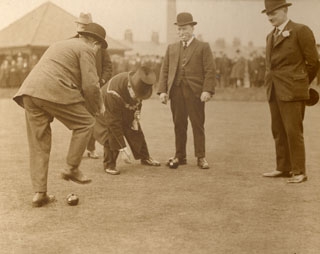
James was first elected to the town council in 1896 as Conservative representative for St Mark's Ward. He became an alderman in 1908 and was Mayor for the years 1922 - 24. On 30 May 1923 he opened Roe Lee Park and is pictured above at the ceremony and left at the game of bowls afterwards. He retired from the Council in 1930. He served as a magistrate for 32 years, presiding over the Tuesday court and meting out justice tempered with mercy. He was a keen reader, being President of the Dickens Fellowship. His paper on Burns, which he read at the poet's centenary, was widely admired.
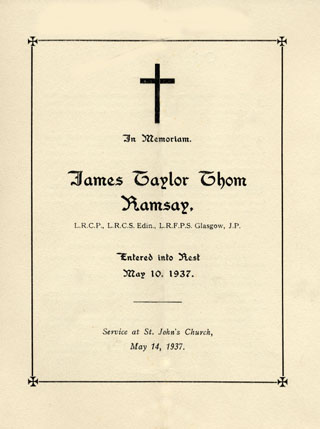
Dr J T T Ramsay died at the Royal Infirmary on the evening of Monday May 10 1937 at the age of 82. Typically only the day before he'd been at work, visiting patients. After a funeral service at St John's his remains were cremated at Manchester Crematorium. The flowers were laid in the Garden of Remembrance at Corporation Park, where family, friends and former patients could view them.
© BwD - terms and conditions
David Johnson, a photography pioneer, was born and baptised in Blackburn in 1827. He was the son of William a grocer and corn miller and Hannah. His father, Willam was born in Prescott in 1794 and Hannah, his mother, in Kildwick, Yorkshire in 1784. The family lived on Northgate and David joined his father in the business. Census returns from 1851 have William listed as a corn dealer and cheese factor and David as a corn dealer and shop keeper.
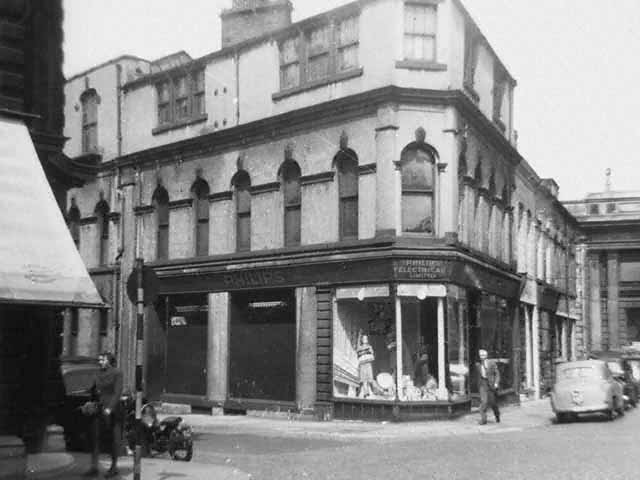
By 1861, Hannah has died, William is still a corn dealer, and David is a photographer. In 1859 he built premises on the corner of Cardwell Place and Corporation Street, close to the scene of his famous photograph of the Peel homestead. He leased the ground floor to The Blackburn Times and he used the top floor as his studio.
We know that he exhibited 6 examples of his work at a photographic exhibition in Amsterdam in 1855.
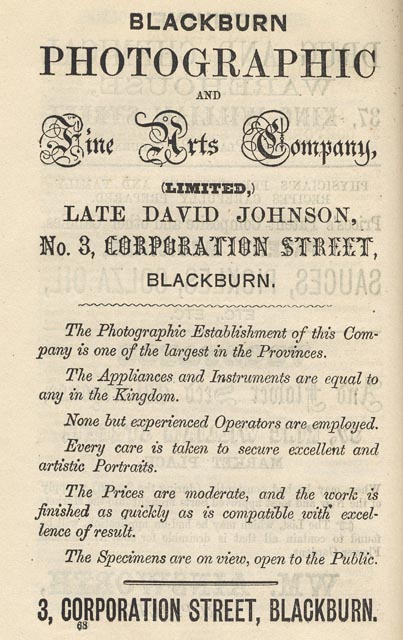
After the 1861 Census the Johnson's no longer appear on the Blackburn Census. We do know that David had sold the business sometime in the 1860's as the company had become Blackburn Photographic and Fine Arts Company Limited (late David Johnson) of 3, Corporation Street.
David married Jemima Jones in Wrexham in 1863. In 1865, their 5 month old daughter Margaret Hannah died and was buried in Blackburn Cemetery. At this time they were living on Wellington Street St. John's.
In 1871 David and Jemima are listed on the Census in Wrexham. They have a 1 year old son, William. David's father, William, is also living there. He is a retired corn dealer and David is a corn miller.
William senior died in 1872, but came back to Blackburn for burial alongside his wife and grand-daughter.
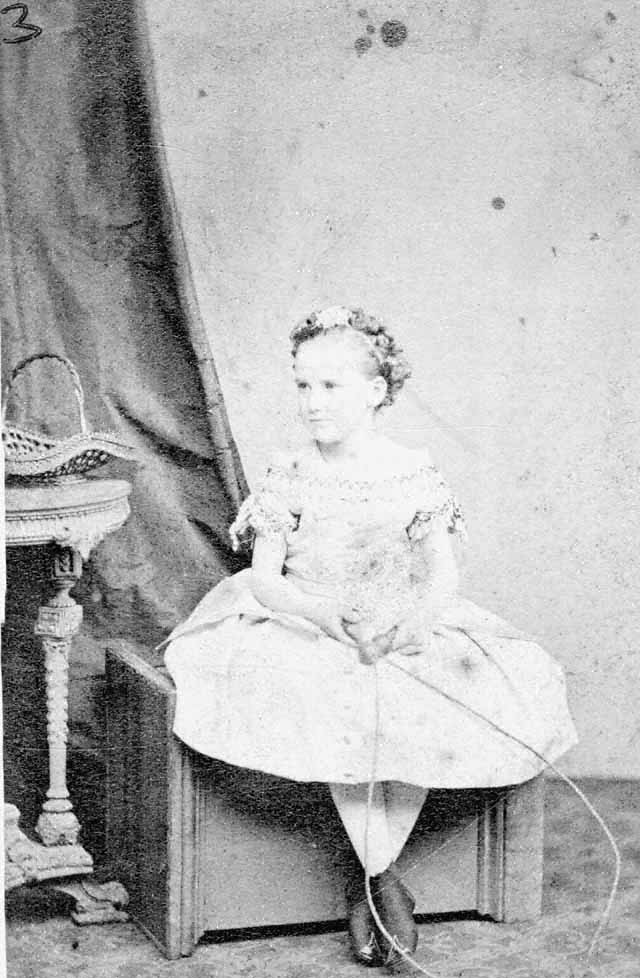
© BwD - terms and conditions
10 years later on the next Census, Jemima is living in Chester with 2 daughters, Edith Margaret 9 and Elsie Evadne, 5. There is no sign of David or their son William. She has several boarders and 2 servants residing with her.
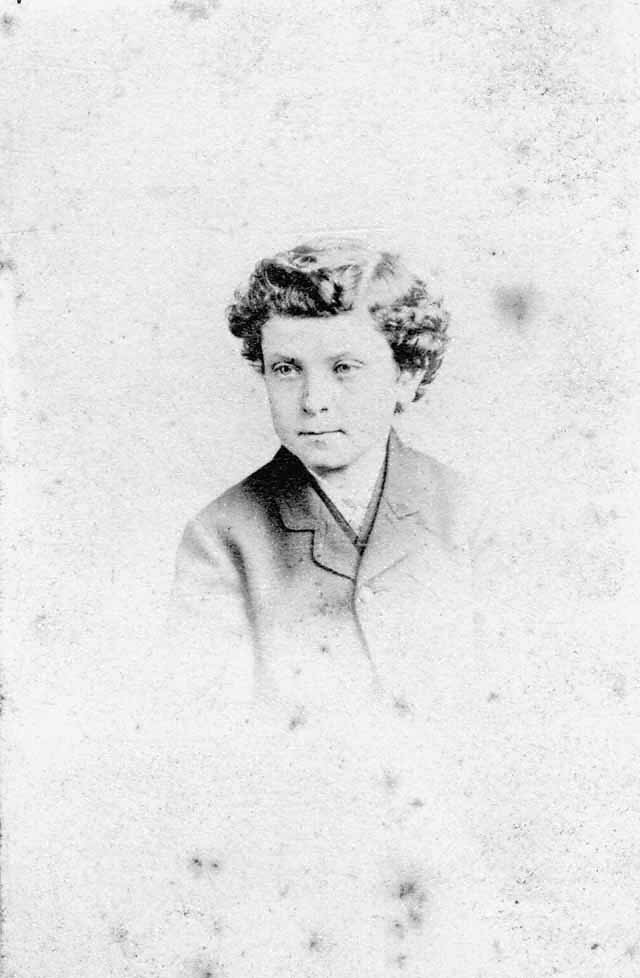
© BwD - terms and conditions
So what has happened to David? On the 1881 Census the only David Johnson of the right age and birthplace of Blackburn is in London in a private hotel. He is listed as having no occupation. William the son has disappeared by 1881 so it is likely that he died in infancy. In 1891 David, Jemima and their 2 daughters Edith and Elsie are living in Croydon, where he is described as a retired manufacturing chemist. By 1901 David is widowed and living with Elsie in Wandsworth. It looks like he died the same year, in Wandsworth.
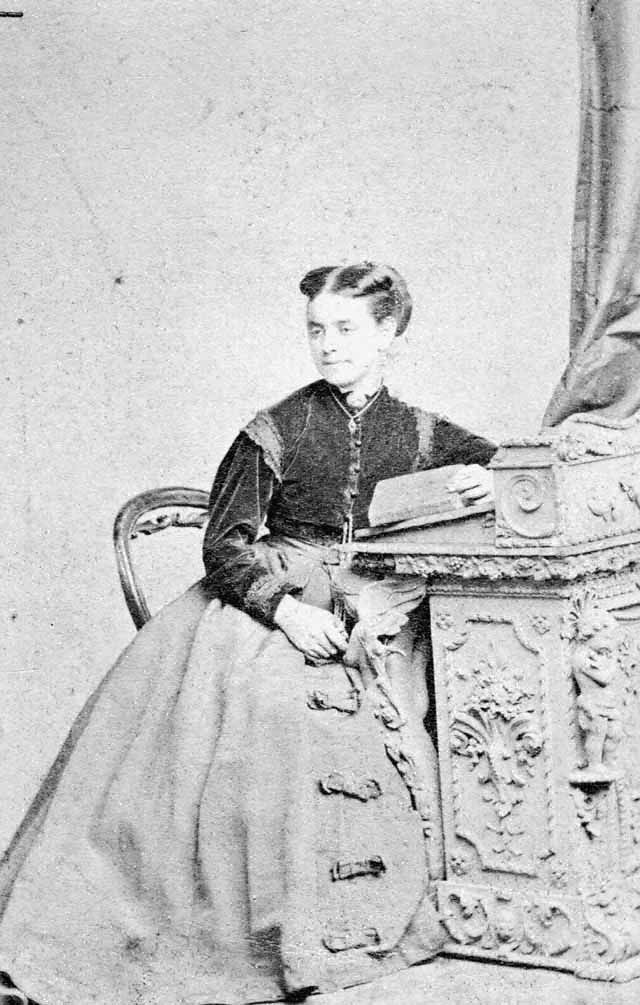
© BwD - terms and conditions
According to the following account of David Johnson's life, by George Miller, he moved to the Metropolis and made his fortune from a drink "Zoedone". However in Flaubert's novel "Madame Bovary" there is a reference "Come round to Bridoux's now and have a glass of zoedone." As this was published in 1857, when Johnson was pioneering his photographic techniques in Blackburn, could he really have been the inventor?
Some new information has been supplied to us by Wrexham Local Studies Librarian.There was a Zoedone works manufacturing mineral water drinks in Pentrefelin, Wrexham, with a London head office. The firm was established in 1880. It was the quality of the water which made Wrexham a popular place for brewing and drinks manufacture. So perhaps David Johnson was the owner?
From Blackburn Worthies of Yesterday, 1959-
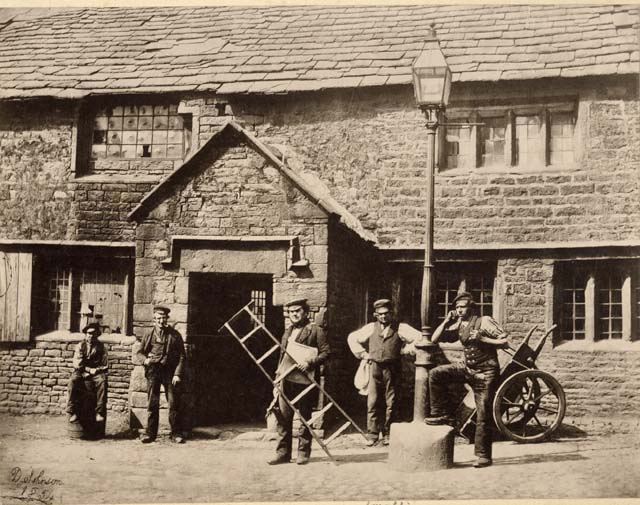
Local devotees of the photographic art are perhaps unaware that more than one disciple of W.H. Fox Talbot or David Octavius Hill flourished in Victorian Blackburn, and even achieved considerable fame outside its borders. I have in my possession a reproduction of David Johnson’s ambrotype photograph of the Peel homestead in Fish Lane, dated 1854, a fine, piece of craftsmanship from the hand of a master, and it is satisfactory to know that among the masterpieces of Victorian photography listed by the Arts Council in 1951 is a portrait entitled “A gentleman with a top hat”, by David Johnson, Blackburn, 1853.
It would be interesting to learn the identity of this top-hatted townsman of ours, or to know if this, or any other specimen of Johnson’s work survives.
David Johnson was an interesting soul, whose father was a grocer in Northgate, in which thoroughfare he too set up in business, down a narrow entry opposite Lower Cockroft. The premises are still tenanted by a picture-framer I believe. After the old property in Fish Lane had been demolished, he built the premises at the corner of Corporation Street and Cardwell Place. He used the upper rooms for his studio, leasing the ground floor to the proprietors of “The Blackburn Times” newspaper. Whilst residing in the Snig Brook area, he found that the Gawthorpe water then supplied to its inhabitants was injurious to health, being of a gravelly nature. This he promptly countered by patenting a filter, which he retailed to the neighbours at cost price.
Ultimately Johnson deserted Blackburn for the Metropolis, where he is reputed to have made a snug fortune out of a patent drink called “Zoedone”. A melancholy accident happened at his father’s death, when the coffin holding his remains was damaged in a railway accident at Clifton Junction near Bolton, when on its way to Blackburn for interment.
Photography Pioneer
© BwD - terms and conditions
Two articles from the Blackburn Standard provide an insight into David's photographic skills.
LIFE-SIZE PHOTOGRAPHIC PORTRAITS
We had the opportunity the other day of seeing in the studio of Mr. David Johnson, a beautiful life-size portrait of the late John Addison, Esq. The portrait was taken only a few weeks before the death of the lamented judge, and on the day he was taken ill in Blackburn he had arranged to call at Mr. Johnson’s for the purpose of seeing it. It is only a striking likeness, but being life-size, it is more life-like than any miniature can possibly be. The apparatus which Mr. Johnson has fitted up for the purpose of taking life-size portraits – of which the portrait of Mr. Addison is the first fruits – is very perfect, and has necessarily cost a great deal of money. Perfect as it is, however, Mr. Johnson hopes to improve it, and to so simplify it that he will be able to produce life-size portraits at a comparatively trifling cost. Looking at the great advance which such a speaking life-size portrait as that of the late John Addison, Esq., is on the dim miniatures which photography first produced, and that only a few years ago it is difficult, and would be hazardous, to set any limit to either the perfection or economy with which the ‘human face divine’ may in a few years be made almost to breathe from the canvas, if we may so speak, of the photographer.
From Blackburn Standard 17th August, 1859
LECTURE ON PHOTOGRAPHY, WITH ILLUSTRATIONS
On Thursday evening, a lecture on photography, illustrated by experiments, and concluding with the exhibition of a series of photographic dissolving views, by Mr. David Johnson, photographic artist, was delivered in the ‘Oddfellows’ Hall, Heaton Street, to a large and delighted audience. The room was crowded to the door. The lecturer, in a simple and intelligible manner, sketched the history of photography from the time of the alchemists, who knew, but paid no attention to the fact, that the salts of silver were decomposed by light. The fact remained simply a fact for centuries, till Wedgewood and Davy, in the course of their experiments, undertaken for the purpose of producing pictures by the agency of light, discovered, after several years experimenting, the secret of fixing the image produced by light, and making it permanent. That was a great step in advance, but it was left for Talbot and Daguerre to discover the complete process of producing photographs and fixing them. This they did in 1839, and it is a curious fact that the announcement of the discoveries they had each made, as the result of experiments carried on independently of each other, and without either of them knowing the nature of the other’s researches, took place in the same month of that year. Talbot’s discovery was the process of producing photographs on paper; the discovery of Daguerre was that which was afterwards and still is known by the name of Daguerreotype, a photograph on silver. The discoveries of these illustrious names were further improved upon by men of science, and the latest and most wonderful discovery in the art is that which was made by Mr. Scott Archer, of London, known as the collodion process. At this stage of the lecture Mr. Johnson illustrated the collodion process, by going through it and producing before the audience a picture of Clitheroe Castle. He then stated that Mr. Mercer, of Oakenshaw, had introduced a new process, which was still a secret, for producing blue photographs from a negative; and this blue could afterwards be changed to any other colour. An experiment illustrating the first part of Mr. Mercer’s discovery, which has been imparted to Mr. Johnson, was then performed, and a portrait of the Rev. Mr. Macfie, in blue was produced. This discovery, Mr. Johnson remarked, was a most important one, as the chemicals used by Mr. Mercer were simple and inexpensive, while the chemicals which were now used in photography were very expensive, being mostly gold and silver. One firm in London, he stated, has last year dissolved two tons of silver for photographic purposes. At the close of the lecture Mr. Johnson exhibited to the meeting a series of 29 photographic dissolving views, of cathedrals, castles, etc, closing up with some splendid views of sculpture. The views in themselves were only about two inches square, but they were exhibited on a screen 18 feet square, being magnified about 15,000 times. The light by which they were exhibited was the oxycalcium light, and the effect was astonishing and most gratifying. In the course of the exhibition of the dissolving views, Mr. Rhodes played some choice pieces on the harmonium. At the close of the proceedings Mr. Johnson was cordially thanked for his lecture and exhibition.
From Blackburn Standard 18th January, 1860
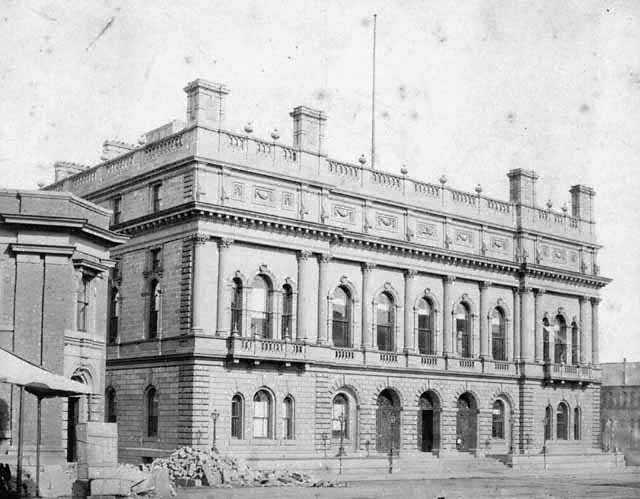
We are fortunate to have some examples of his work, particularly the photograph of Robert Peel's birthplace on Fish Lane(shown above) from 1854 and the newly built Town Hall from 1856.
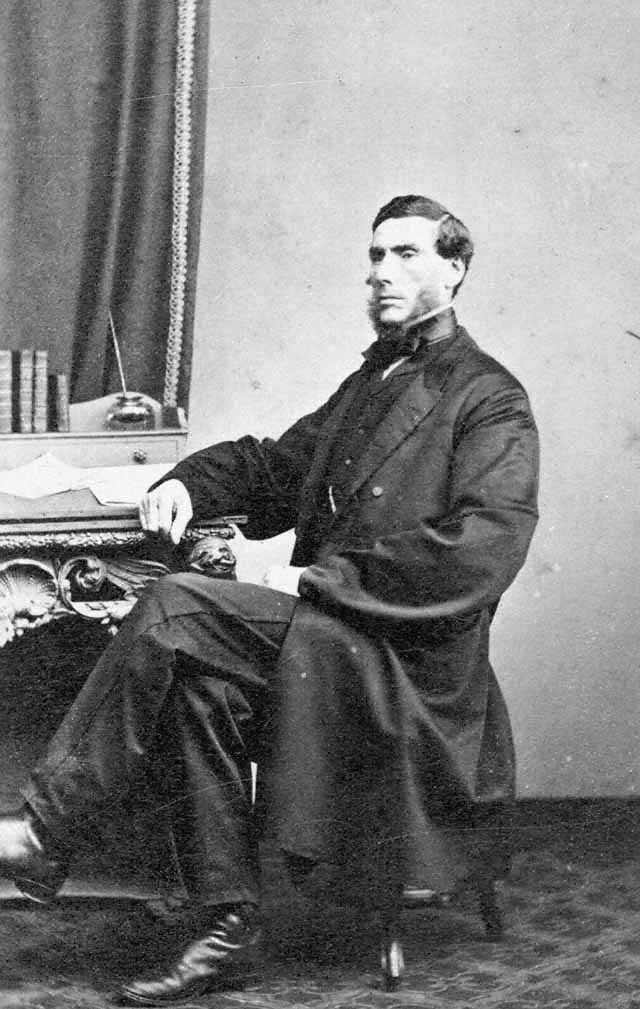
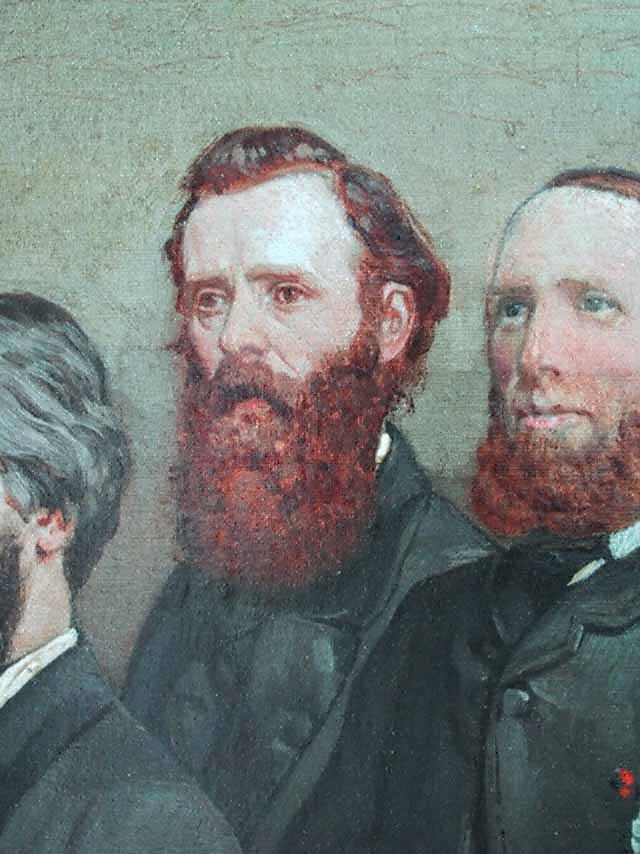
We also have 2 images of him - one a photograph, the other a portrait, from the Vladimir Sherwood painting "Laying the Foundation Stone of the Cotton Exchange".
© BwD - terms and conditions
© BwD - terms and conditions
© BwD - terms and conditions
Kathleen Ferrier
1912-1953
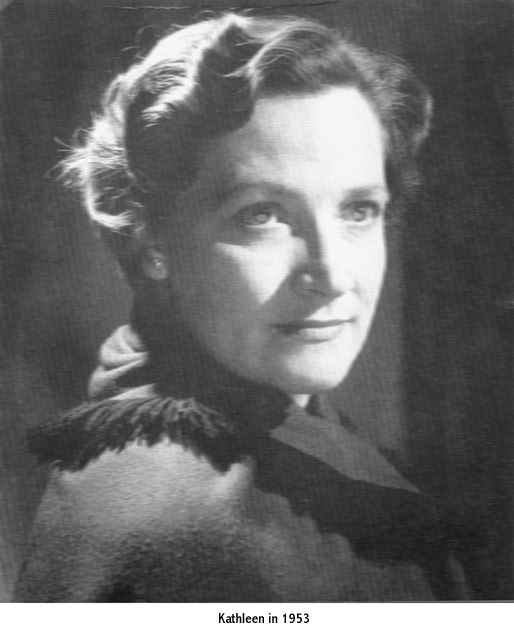
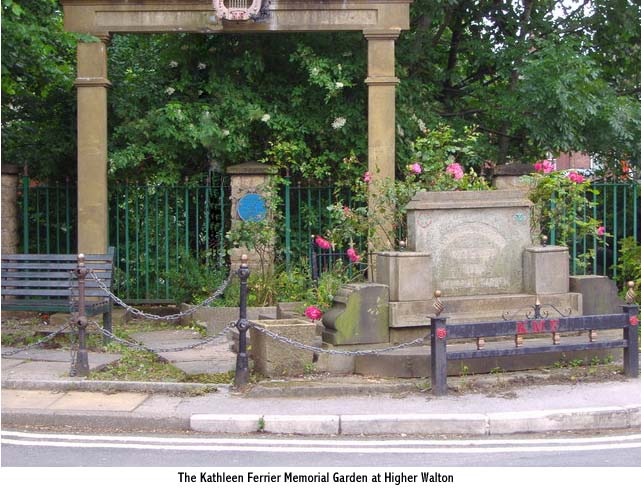
Kathleen Mary Ferrier was born at 1 Bank-terrace, Higher Walton on April 22 1912. She was the youngest Child of William and Alice Ferrier, her sister Winifred was eight years older and her brother George five years older.
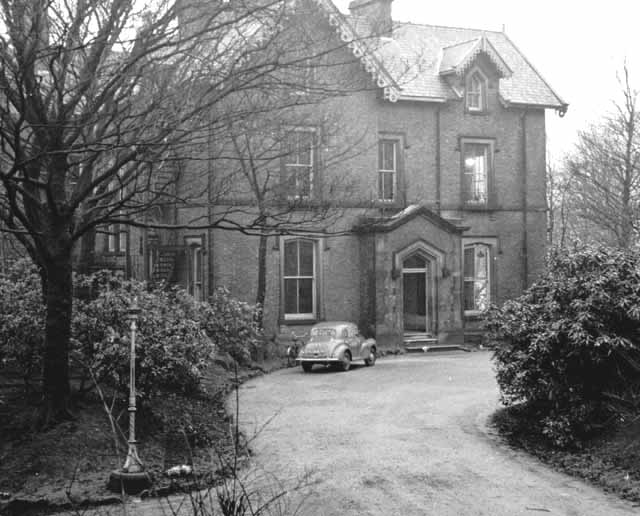
When Kathleen was eighteen months old Alice persuaded William to apply for the headship of St. Paul’s School Blackburn, when he got the position the family removed to 57 Lynwood-road in the town. Kathleen was just three years old when she began to learn the piano. One day while playing a simple tune with one finger she burst into tears saying to her cousin who was listening, “I want to play, and I can’t play properly”. When Kathleen was five she was sent to St. Silas’ school, but after hearing rumours that the school was unhealthy her mother removed her and sent her to Crosshill, which was then the junior section of the Girls High School, here she excelled in all aspects of school life.
At nine Kathleen’s mother decided that she should have piano lessons. She was taken to see Miss Frances Walker, who was very highly regarded as a music teacher. At first Miss Walker told Kathleen’s mother that she did not take beginners, but was finally persuaded to take her on. Again this was something that Kathleen excelled in. At the age of fourteen the Blackburn Times reported that; “Miss Kathleen Ferrier, daughter of Mr. W. Ferrier, head master of St. Paul’s School has achieved an unprecedented success in passing in the final grade the Associated Board R.A.M., and R.C.M. examinations at the extremely early age of fourteen.”
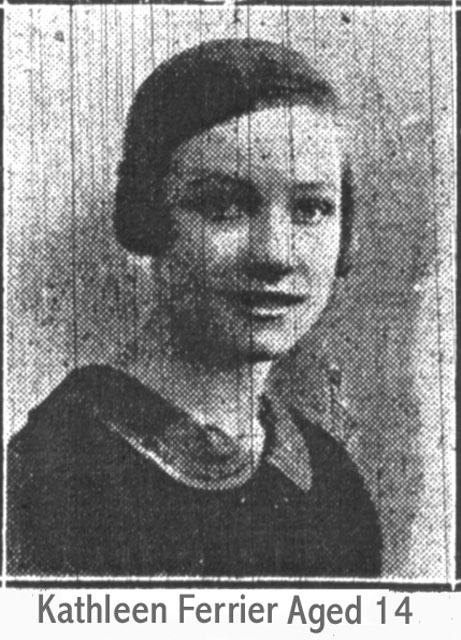
When a choir was formed at her school, each pupil was tested individually, after hearing Kathleen sing the music teacher told her; “yes, I will have you in the choir because you sing in tune, but be careful to sing softly. Your voice is husky.”
At fourteen the decision was made by her parents that Kathleen should leave school, and in July 1926 she started work as a probationer at the Blackburn Post Office, her duties included addressing envelopes, and distributing telegrams. She was very popular amongst the other girls and was not averse to telling jokes to the telephonists as she walked passed them. Being a good tennis player it wasn’t long before she was chosen to play for the Post Office Club Team. When not at work she was a member of the Girl Guides. She also enjoyed visiting her cousin’s house where they would hold impromptu concerts.
 © BGHS-Old-Girls-Association - terms and conditions
In November 1928 the Daily Express held a national competition for piano playing. The event was split into regions, with the final held in London, Kathleen entered the northern regional contest which she won; the prize for this was an upright piano. The Blackburn Times of 1 December 1928 reported:
“… Today I have heard that Miss Kathleen Ferrier, daughter of Mr. W. Ferrier, headmaster of St. Paul’s school, and a pupil of Miss F.E. Walker, the well known teacher of pianoforte, has won a piano in a national competition for piano playing. There were 20,000 entries in the competition organised by the Daily Express, and Miss Ferrier, who was only 16 years of age, has won her prize in Grade B of it. I offer my heartiest congratulations to Miss Ferrier and her very gifted music mistress on the distinction she has attained.”
When the finals were held her mother was ill and so Kathleen went to London with her sister Winifred. There were 72 regional winners taking part, however when the six overall winners were announced Kathleen’s name was not amongst them.
She continued playing the piano, and at twenty played at King Georges Hall Blackburn taking part in a duet with the violinist Louis Godowsky.
In 1934, aged 22, Kathleen was transferred to the Blackpool Post Office, here she took up table tennis and played for the Post Office in the Blackpool league. A year later she was selected along with eleven other telephonists from the Blackpool exchange to enter the “Golden Voice” competition. The object was to find a suitable voice to be used for TIM, the speaking clock. She was not the one chosen, the reason she gave was that she had added an extra aspirate in the reading test.
On the 19th of November 1935 Kathleen married Albert Wilson at Hillside Methodist Chapel, Brinscall. They had met at one of her concerts, some of her close friends however did not think he was the right man for her, and so it proved, for in 1946 the marriage was annulled. The marriage meant the end of Kathleen’s career at the telephone exchange, at that time they did not employ married women, and for the next few years she settled for being a housewife. The couple first lived at Warton, near to Carnforth, Albert was a bank manager and when later he was transferred to Silloth they moved in to a house there.
Kathleen continued with her piano playing, and joined the Silloth Choral Society as their accompanist. In 1937 she entered the “Open Piano Class” at the Carlisle Festival. Albert bet her a shilling that she would not dare to enter the singing contest; she took him up on the bet. She got first prize in the piano class winning the “Dr. Lediard Memorial Trophy,” and was also first in the singing class, for which she won the “Silver Rose Bowl,” after this she began to be offered singing parts in local opera and was even paid 7s 6 for singing at a church Harvest Festival.
At a Festival held in Workington in 1938 she won a Gold Cup for singing Vaughan William’s “Silent Noon.” By now she was able to begin a “newspaper cuttings book” showing the places where she had appeared.
On the 23rd of February 1939 Kathleen made her first radio broadcast for the BBC at their Newcastle studio. The programme was called “Hark Forrard” and was broadcast live at 8.30, she sang “Curly headed Baby,” “Mighty Like a Rose,” and “The End of a Perfect Day” with the Millom Male voice Choir. She made further broadcasts at the Newcastle Studio, even though travelling there from Silloth was difficult.
In 1939 she once again won the singing contest at the Carlisle Festival. One of the adjudicators at this time was Dr. J.E. Hutchinson, who later was to become Kathleen’s singing teacher. He was able to iron out the one or two small problems she had with her voice, he also extended her repertoire. By now the War had started and in 1940 Albert was conscripted into the army, this event was possibly the beginning of the end of the Wilson’s marriage. Kathleen had always sung under her married name but when Albert was called up, she reverted back to her maiden name, Kathleen Ferrier. Soon after Albert had joined the army Winifred got a teaching post at Carlisle, Kathleen and her father left Silloth and the three of them moved into a small house in the town. Kathleen used to tell people that the house was so small that she had to open the back door to use the oven.
Early in 1941 she auditioned before Eve Kisch and joined CEMA—the Council for the Encouragement of Music—this group toured towns, factories and army camps bringing some entertainment in the dark days of the war. In 1942 Kathleen got an audition with John Tillett of the classical music agency Ibbs and Tillet. She went with her sister and sang a short selection of songs for him, and he accepted her onto his books. Now she had a London agent she was advised by Malcolm Sargent to base herself in the capital. Luck seemed to be with her because a few days after her audition her sister was offered a job there which she accepted. While things were arranged about their move to London, Kathleen continued her work with the CEMA, appearing in such diverse places as Cockermouth, Holmes Chapel, Newcastle and Runswick. By Christmas Eve 1942 their new flat in Hampstead was ready; they moved in and were able to spend Christmas day in their new home.
Kathleen gave her first London recital on the 28th December1942, It was a lunch time concert held at the National Gallery before a large audience. She still felt, however that she needed further voice training and so took the baritone Roy Henderson as her new tutor. Her next event, and the biggest up to this date, was at Westminster Abbey, in the Messiah, with the soloists Isobel Baillie, and Peter Pears. The performance took place on the 17th May 1943 and was a huge success for all concerned.
Her first move into gramophone records was made in 1944 with Columbia. For her first record she chose two songs, “O Praise the Lord” and “I will lay me down in Peace,” it was issued in September of that year. When her contract with Columbia ended she left them—she had not been happy there, and on the advice of Roy Henderson signed with Decca which was the one he recorded for. She was kept busy with more and more prestigious engagements culminating in 1945 when Kathleen auditioned for and was accepted to sing in that year’s Proms which was held on the 15th September, for the event she sang “L’Air Des Adieux.”
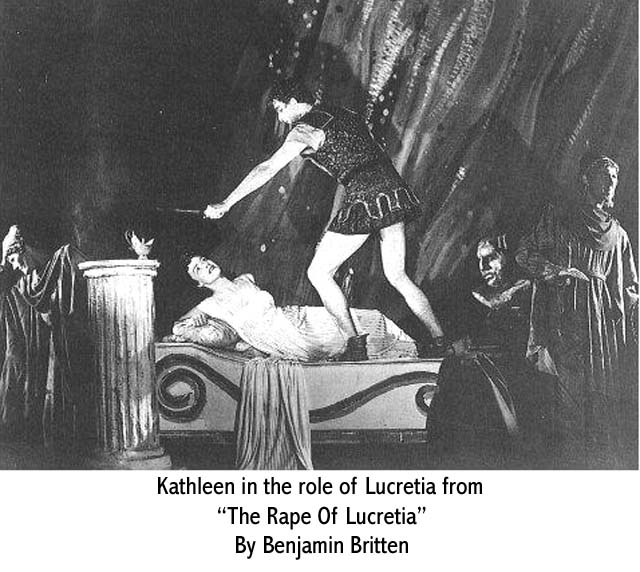
Benjamin Britten had written an opera called “The Rape of Lucretia”, having seen Kathleen in her performance at Westminster Abbey. He persuaded her to take the part of Lucretia. It was performed at “Glyndebourne,” an opera house near to Lewes in Sussex and ran from 12th July 1946. After Glynbourne it went on tour around the country and then on to Amsterdam where it was a hugh successes. Her next opera opened on June 19th 1946 this was “Orfeo ed Euridce” in which she took the part of Orfeo, the opera was again done at “Glyndebourne.” It was another huge success for Kathleen who took sixteen curtain calls. At the 1947 Edinburgh festival Kathleen sang “Das Lied von der Erde”, she was seen here by visitors from all over the world and it resulted in offers to sing in these countries. She got an invitation from America which would include appearing at Carnegie Hall. She accepted the offer and on the 1st January 1948 she set sail for New York. Her debut in America was at Carnegie Hall were she together with Set Svanholme, tenor, and with Bruno Walter conducting, she sang Das Lied von der Erde. She also visited Ottawa, Illinois, and Chicago, before returning to New York and home. Kathleen made a second tour of the States in 1949 where she visited New York, Granville, Ohio from there she went to Montreal, Canada then back to America going to Indianapolis, Pittsburgh, Newark and New York before returning home. She made many other visits abroad going to Amsterdam; in June 1949; a third tour of America between December 1949 and April 1950 and Italy in 1951. It was here she was told of her father’s death. She also visited Germany, and the Netherlands.
It was about the time of the German tour that she found a lump on her breast. On her return home she went to University College Hospital where after extensive tests she was diagnosed with breast Cancer, she was told, that it needed to be removed immediately. All her concerts for the next two months had to be cancelled. Kathleen went into hospital on the 9th of April and had the operation on the 10th. After three weeks she was allowed home, but had to visit the hospital every day for treatment. Her return to singing took place on the 19th of June 1951 at the Royal Albert Hall, where she sang Bach’s “Mass in B Minor,” this was followed by a gruelling tour around the country. She felt well enough to make her usual trips to the Holland and Edinburgh Festivals.
On the 30th April 1952 she was asked to sing at a private party before the Queen Mother and Princess Margaret. Kathleen said about the event, “It was suggested by one of their ladies that they had a little do, [The King had only recently died] and I am told they have cheered up considerably at the Idea—so ain’t that nice.” Later while visiting Burnet Pavitt’s house, David Bowes Lyon, brother to the Queen Mother, came in and asked if she would sing for the Queen the following night. She replied “I’m sure the poor love would rather sit with her feet up.” She did go however, and sang some Schubert and some folk songs. She would sing again for the Royal Family at a private performance held at the Chapel Royal, Windsor, on the 2nd November 1952. December 23rd saw Kathleen perform the Christmas “Messiah” which was described as quite wonderful.
In the New Years honours list Kathleen was awarded the C.B.E., but was too ill to attend the Investiture which took place on the 17th of February 1953, at Buckingham Palace. She was told that another date would be arranged for the event in the summer. She was not altogether disappointed however, because Sir Benjamin Ormerod brought a length of ribbon in the C.B.E. colours and pinned it to her pillow. She was once again receiving treatment in hospital, and when she was finally discharged it was found that she could no longer get up the steps to her flat. A maisonette was found for her in Hamilton Terrace, St. John’s Wood, which she took, and moved into in early April. In June she was awarded the Royal Philharmonic Society’s Gold Medal this is one of the highest wards that can be given to a musician. It was to be presented to her in hospital but she was too ill to receive it and so it was given to her when she was feeling a little better. She wrote the Society a letter stating how grateful she was for the award. About August Kathleen became desperately ill, for a few days things looked bleak but then she rallied, and her sister decided to take a short holiday in the Lake District. After only two days Winifred received a phone call saying that Kathleen had got worse again she caught the train to London where she went straight to the hospital.
Six weeks after this while talking to a nurse Kathleen said, “wouldn’t it be lovely if I could just go to sleep and not wake up.”
Kathleen died peacefully on the morning of 8th October 1953, she was just 41 years old.
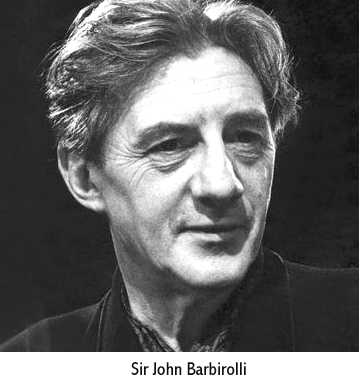
Her wish was to be cremated at Golders Green Crematorium as her father had been. The private service took place on Monday the 12th October; it was conducted by the Rt. Rev. C.K.N. Bardsley, Bishop of Croyden. On 23rd October a tribute was paid to Kathleen at Blackburn when some 2500 attended a concert arranged by Sir John Barbirolli and the Halle Orchestra. Many more memorial services were held for her over following months.
On the 7th October 1954, another memorial service was held at the King Georges Hall Blackburn. Once again it was done by Sir John Barbirolli. A bronze head of Kathleen was unveiled; it was the work of an Australian sculptor Arthur J. Fleischmann.
In 1967 all Kathleen’s musical scores were obtained by Blackburn Library and Museum. Her C.B.E. and Gold Medal from the Royal Philharmonic Society were also given to the town by her sister Winifred.
A sheltered housing complex was opened in Blackburn in 1986 and named after Kathleen. In 1993 The Kathleen Ferrier Society was formed to mark the fortieth anniversary of her death, its aims are to celebrate the life and music of Kathleen.
There is also the Kathleen Ferrier Memorial Scholarship Fund which holds an Annual Competition before a public audience at the Wigmore Hall in London every April. Here young professional singers compete for cash prizes plus the chance of instant international recognition.
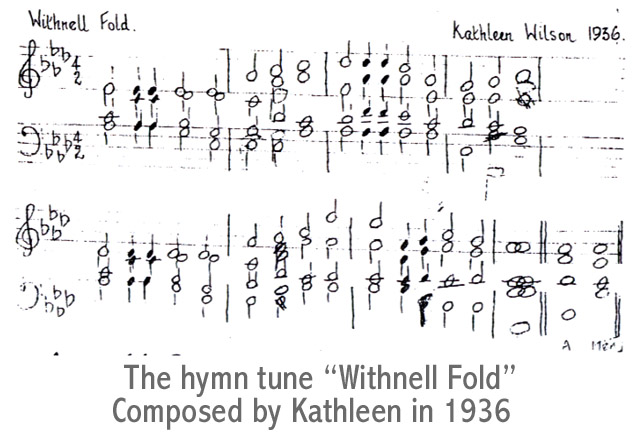
In 1936 the Choir master of Withnell Fold, Howard Roberts, wrote a Vesper but could not find a tune for it. He asked Kathleen if she would compose a tune which she did and called it Withnell Fold. Long after Kathleen’s death it was sung at Withnell Fold schools Harvest Festival and appeared on both Granada T.V. and the B.B.C. It was adopted as the village school hymn.
John Spencer
A Man of Principle, The Civil War, Business, Law and Politics.
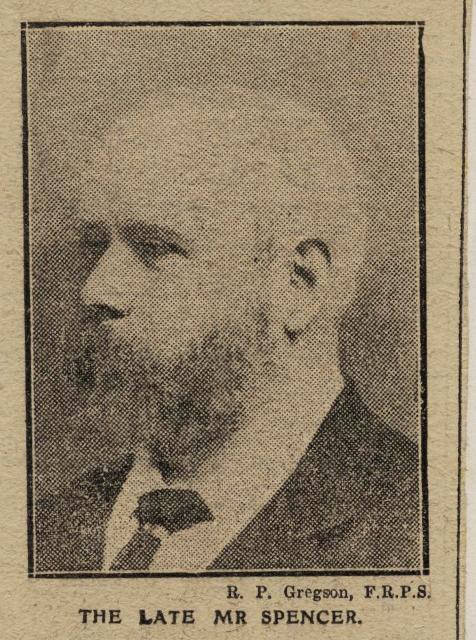
Sometimes a rather ordinary name can mask an extraordinary life. At a glance Mr John Spencer was an ordinary mid-Victorian businessman, but when we delve into the depths of his life we uncover his noble quest to America to serve in the Civil War. Spencer led a very interesting life, and, after research, we have also discovered his activities in the borough beyond his military career.
John Spencer was born in Preston, Lancashire in 1841 and during his youth his family moved to Blackburn. At this time Blackburn was a prosperous industrial town and so it seems as if John’s father, Robert Spencer, was looking to take advantage of the thriving industry by setting up a firm named Spencer and Company. This firm became very well-known and was a huge concern, becoming agents for the Wigan Coal and Iron Company , who became the largest colliery owner on the Lancashire coalfield. The activity of Spencer and Company will have been to sell this firm’s coal to both domestic and commercials buyers around the borough. John Spencer was actively involved in assisting his father in the business.
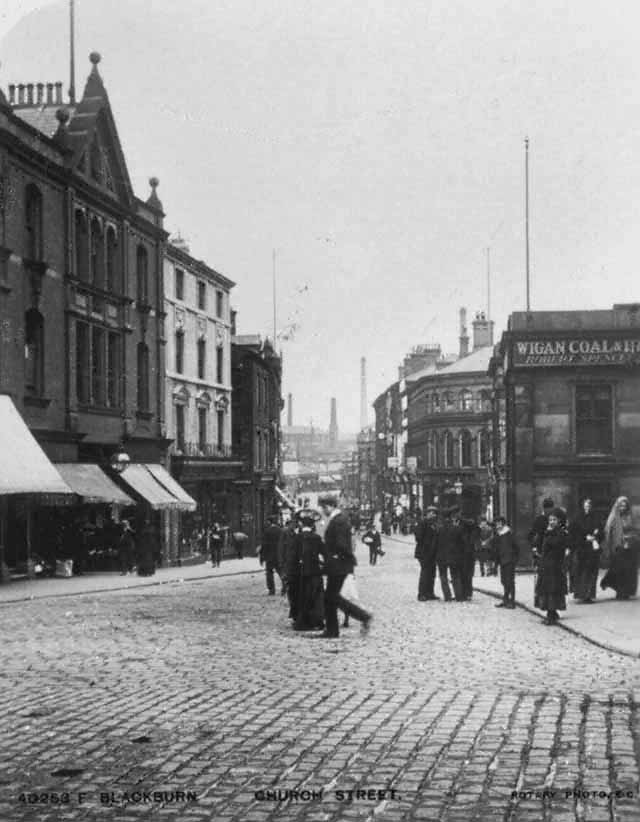
© BwD - terms and conditions
We believe that when he was aged 22 he travelled to America on the Margaret Evans, a packet ship. This ship was of a relatively small size, weighing 900 tonnes and holding between 200 and 300 passengers and was largely responsible for moving immigrants between London and New York.
But, under what circumstances did he travel to America? To quote the Blackburn Times “he crossed the Atlantic to serve as a Volunteer in the Federal Army”. At this point a brutal Civil War was taking place in America between the Union (Federal) Army in the North, under the direction of President Abraham Lincoln, and the Confederate Army in the South. The North supported anti-slavery and wanted to preserve the union, whereas the South wanted to break away and form the Confederate States of America which would continue to use slavery. The attitudes of the people of Lancashire to the American Civil War were complex. After researching local newspapers from the time we discovered that they were actively hostile to the Union. This is notably because of the blockade of Southern ports by the North which dislocated the Lancashire cotton industry by lack of supplies of raw cotton. This shortage principally led to the Lancashire cotton famine and so it is understandable why many were against Lincoln and the Federates and in favour of the Confederates. However, in contrast, many workers recognised the political issues surrounding the Civil War and so supported the Union in the fight to prevent the establishment of an American republic grounded on slavery. It seems as if John Spencer was part of the latter group; believing in the freedom of the individual from slavery. His Liberal stance in politics and his support of the James-street Congregational Church, who were important in social reform movements including Abolitionism, provide a strong argument for this. Therefore, it is very likely that the reason why he travelled to America to join the Federal Army is because of both his political and religious motivation.
The Union emerged victorious and, as mentioned in his obituary, Spencer took part in several significant engagements, including the recapture of Charleston and the retaking of Fort Sumter which the Union formally took control of in February 1865. The Civil War was a momentous event and for a Blackburn citizen to be involved in it is fascinating and quite fulfilling.
As we have seen, John Spencer was certainly a man of principle; abandoning his secure work at Spencer and Company to fight for the abolition of slavery. When he returned from his duties he continued to show a determined and strong-minded attitude by commencing business as a cotton manufacturer in Blackburn. In 1878, he took control of both Canton and Plantation mills and, by 1881, he employed a total of 124 men, 100 women, 45 boys and 57 girls. Quite clearly, he was a very successful businessman. After this, he became a yarn agent on an extensive scale for a reported 20 years, retiring three or four years before his eventual death.
In terms of his personal life he was married to Alice Dugdale with whom he had five children. He lived at ‘The Sycamores’ for the vast majority of his life and only employed two servants, one of which was a nurse, which was remarkable given the fact of his great earnings.
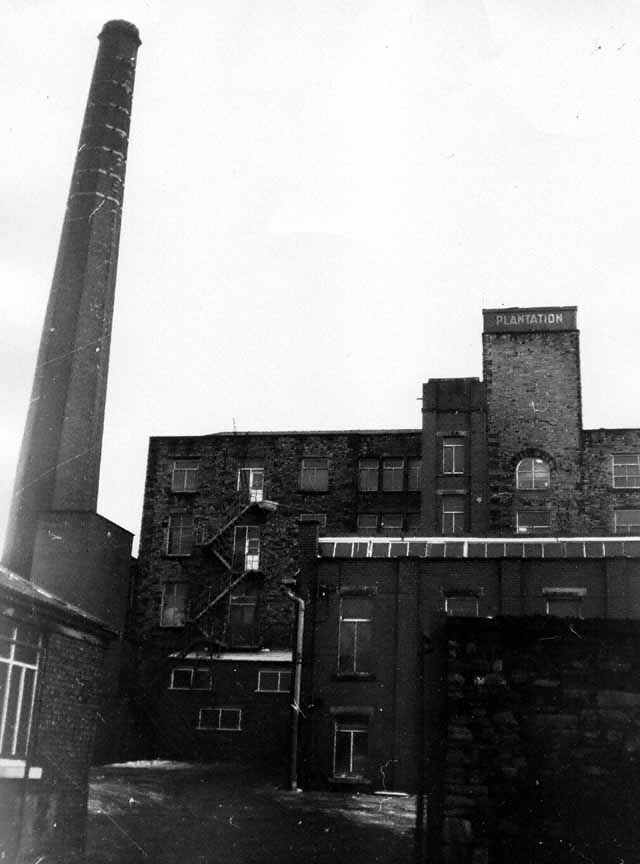 © BwD - terms and conditions
In politics he was a robust Liberal, actively campaigning for the Liberal politician Mr W.E. Briggs who became elected as MP for Blackburn in 1880 and continued to hold this position until 1885. He was evidently passionate about his politics as shown through his membership of the Blackburn Reform Club, a group aiming to promote Liberal values in the borough. He served as a senior magistrate in Blackburn for an incredible 30 years being placed on the Commission of the Peace for the borough in 1882.
As we have discovered, John Spencer was an admirable man who achieved a great amount in his life. He passed away at his home in March 1913 due to failing health. His extensive obituary in the Blackburn Times suggests that he had a significant influence on the town and was considered to be of great importance. He deserves to be commemorated as a man of principle, an enterprising businessman and a loyal citizen. His sheer determination to travel across the Atlantic, putting his life at risk, to fight for his beliefs is astonishing. Isn’t it just fascinating to know that a man from Blackburn was involved in such a historic event and had a role in abolishing slavery in North America? I certainly think it is.
By Jonathon Kirkaldy
Jonathon was from St. Christoper's CE High School in Accrington, was a Work Experience student at Blackburn Museum July 2012
Jacob Howarth
JACOB'S AMERICAN ADVENTURE
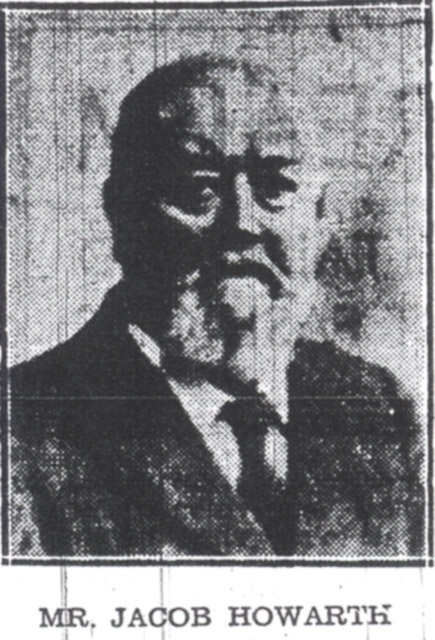
Jacob Howarth was born in Blackburn in 1852. As a youth he ran away from home in search of adventure. In July 1871, he sailed to America on the "Colorado", arriving on the 25th. At first he worked in a brickyard and then on a farm, but then decided to join the Army. The German recruiting officer couldn't pronounce Howarth properly and so Jacob went through the records of the American Army as Jacob Howard.
In December 1871 he was sent along with 200 infantry recruits, 100 cavalry and 50 black cavalry to reinforce troops in Texas.After travelling by train and steamer to Victoria they had to march the whole distance to Fort Griffin- 700 miles.This took from Christmas Day to 14th February 1872.
In 1873 he gained two promotions to corporal and then to sergeant.In January 1875 he became a sergeant-major, but gave it up after 5 months.
He fought against the Sioux Indians in Dakota and was present when Governor Fletcher and Bishop Whipple witnessed the signing of the treaty between The Whites and The Redskins. One of the wildest Indians in those battles was "Big Trees" a desperado who gave an immense amount of trouble.He was captured and put in chains. Later "Big Tree" became a deacon of a Baptist Chapel in Western Texas.
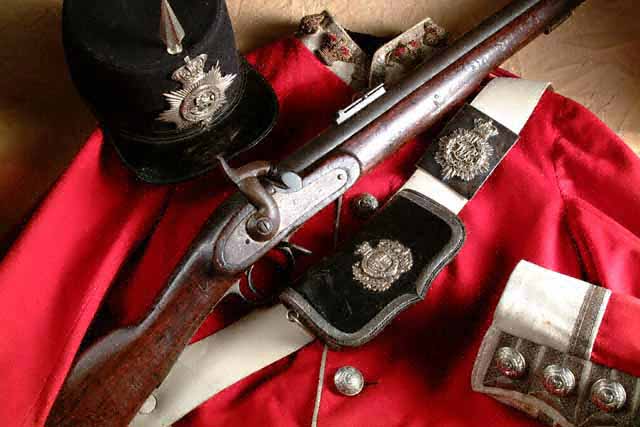
Jacob Howarth had had some experience of military life before going to America as he had joined the local Rifle Volunteers in 1868 at the age of 16.
© BwD - terms and conditions
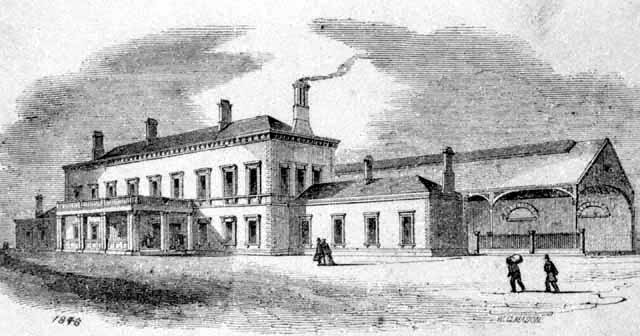
On returning to England in 1876, he entered the railway service. His father George being stationmaster at Bolton Road, under the old Lancashire and Yorkshire company and also first stationmaster at Blackburn when the L and Y and the East Lancashire systems amalgamated.
After 18 months he returned to Greenwoods corn millers from whose service he had run away.Subsequently he was in turn chief clerk for the Leeds and Liverpool Canal Company; chief clerk to a firm of corn factors; licensee of the Clarence Hotel and later of a Yorkshire inn ; and clerk to Mr. Robert Duckworth, tax collector of Richmond Terrace.
© BwD - terms and conditions
In 1917, an Act was passed in the USA granting pensions to veterans of the Indian War.Mr.Howarth applied, but was turned down as he wasn't an American citizen.However in 1928 the people of the County of Throckmorton Texas made hima free citizen of their county and his pension was granted.He received 50 dollars a month which later rose to 72 dollars on account of advancing age.
In recognition of his Army service he was appointed a commandant of the Indian War Veterans Association, USA.
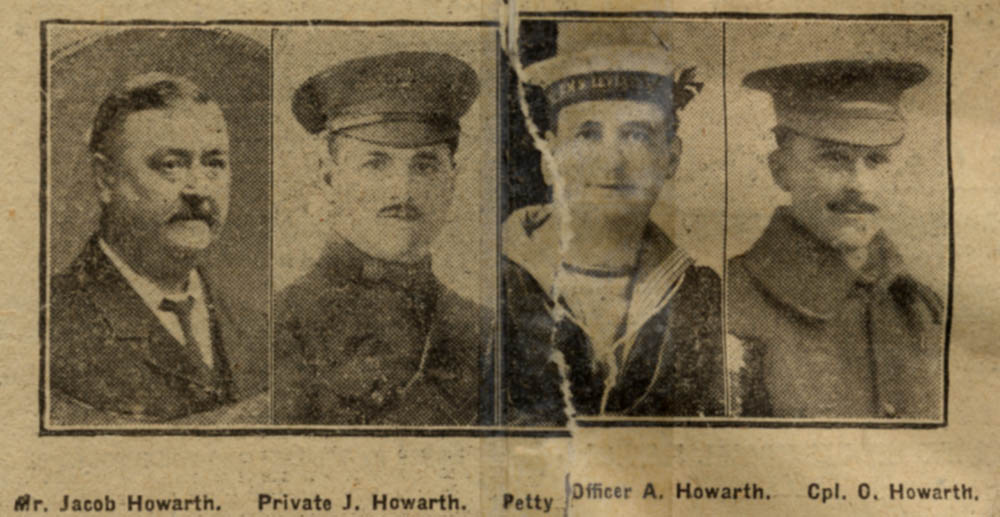
In his private life he was married to Mary for 60 years. They had 3 sons: John, William Arthur and Oswald and 2 daughters Ellen and Susie. All the sons served in World War 1 and survived, whilst Jacob was in the East Lancashire National Reserve.When Jacob died in November 1938 at the age of 85, he was survived by his wife and family. John was living in Montreal; William in London and Oswald in Blackburn. His daughters were both married and living in Blackburn.
He was a Freemason for many years and the oldest member of the Junior Conservative Club with which he was connected for almost 60 years.