
 Loading more
Page 3
Blackburn's Mosque Journey to
Masjid E Vali
Masjid E Vali
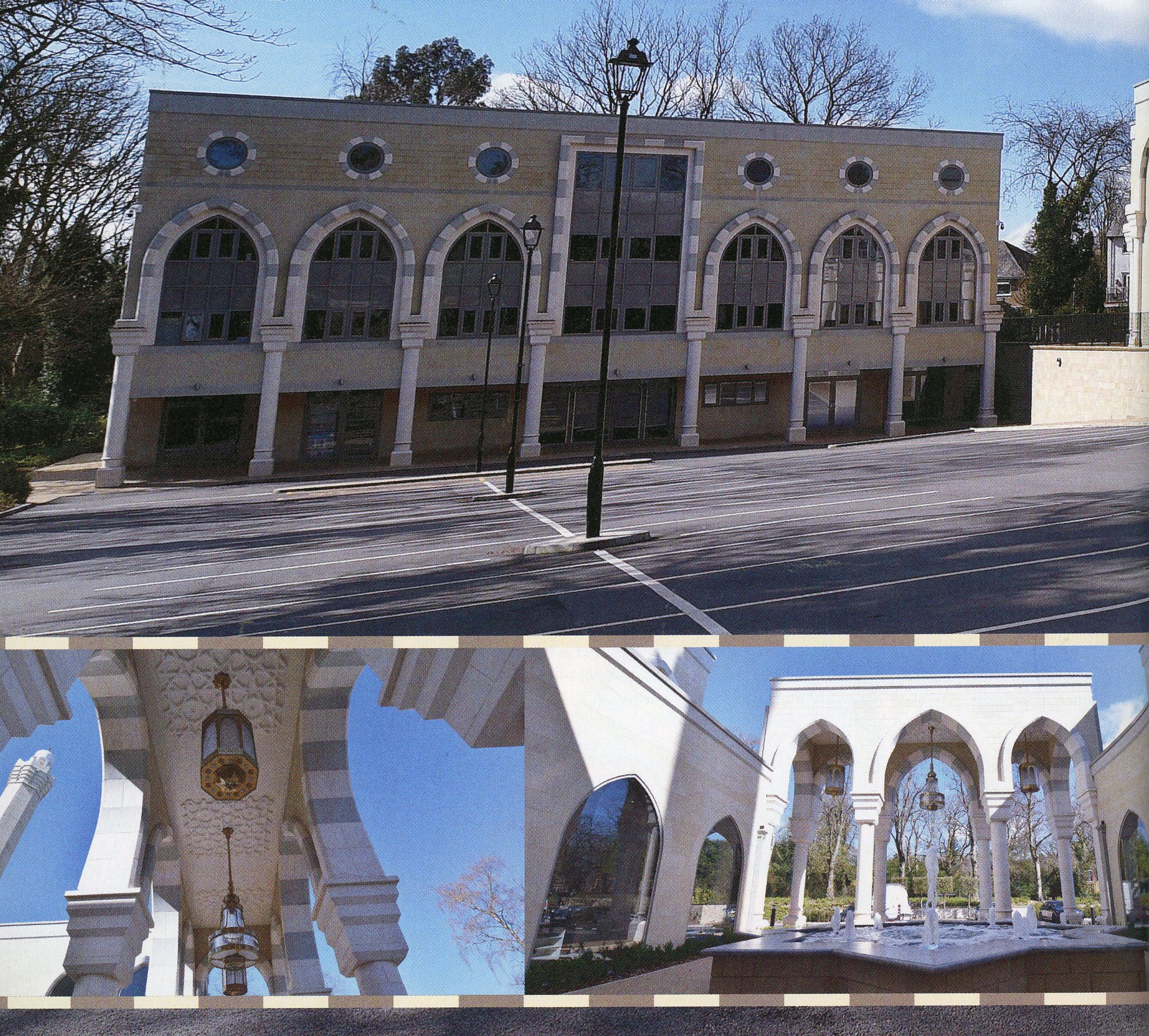
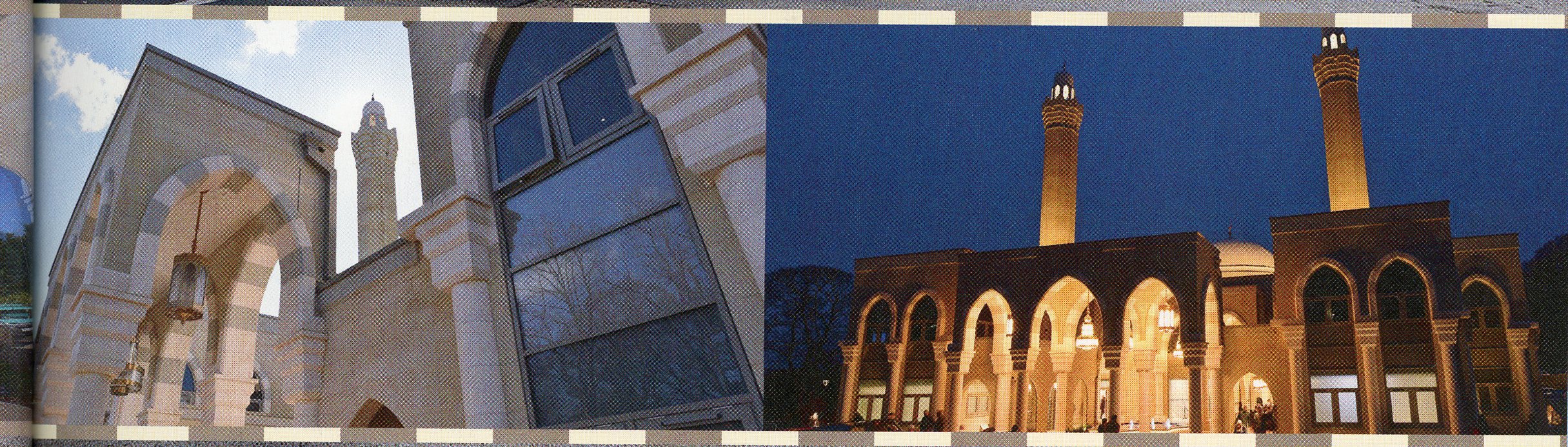
Rising from the former grounds of Westholme Junior School, Masjid E Vali stands as one of the North West’s most striking new landmarks and a symbol of the Muslim community’s lasting contribution to Blackburn. Opened in January after more than five years of development, it transforms a former school site into a space of architectural beauty and shared purpose. Funded by the Issa Foundation and named in memory of Vali Issa, the mosque reflects values of community, compassion and inclusivity.
 Masjid E Vali
Blending Middle Eastern inspiration with contemporary design, visitors are welcomed by marble pillars and a tranquil fountain leading into a prayer hall for over 1000 worshippers, alongside spaces for women, childcare and community use. A place designed to bring people together across backgrounds and generations.
The opening of Masjid Vali marks a defining moment in Blackburn’s religious and civic landscape. With a reported multi-million pound investment and a striking contemporary design, it represents confidence, permanence and vision. Yet its story did not begin with architects’ drawings or fundraising dinners. It began in a single terraced house off Audley Range, writes Zaffer Khan.
Blackburn's first Mosque
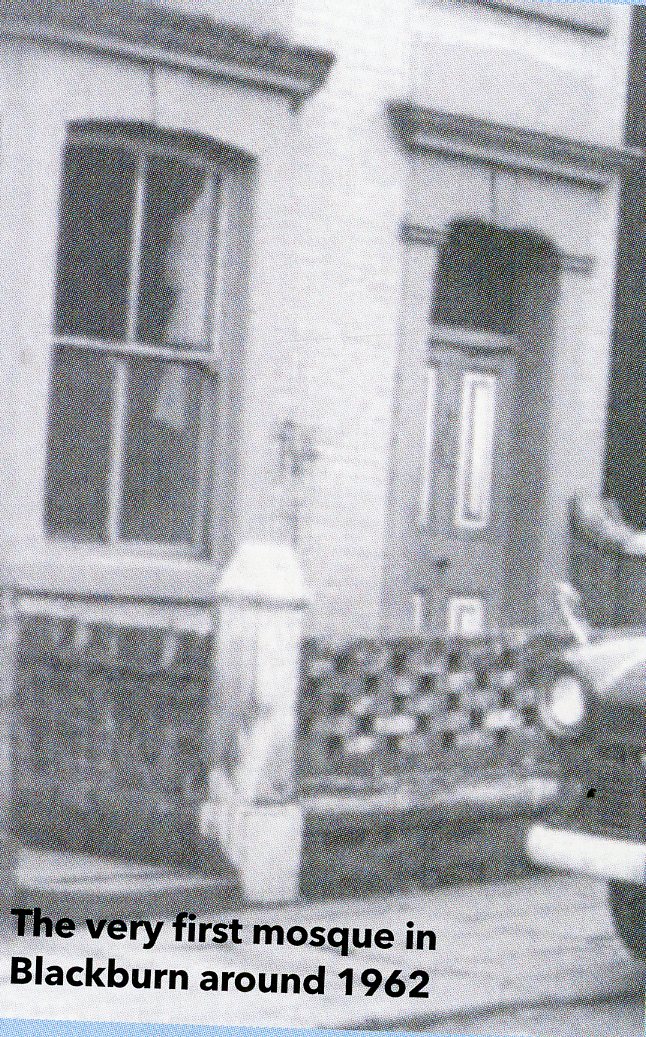
The first known mosque in Blackburn was Jamia Masjid, established around 1962 in a single terraced property just off Audley Range, on Billinge Street. At the time, Blackburn’s Muslim population was small but steadily growing, largely made up of men from Gujrat, Punjab and Azad Kashmir who had arrived to work in Lancashire’s textile mills. Prayer took place in modest conditions. Living rooms were cleared, carpets laid and worshippers stood shoulder to shoulder in spaces never designed to hold congregations. But those walls carried something powerful, the determination to preserve faith far from home.
As the community grew, the need for additional space quickly became apparent. In 1965, the second mosque was established at 29 Bicknell Street. Like Jamia Masjid, it was based in a terraced house. It marked an important step forward. A sign that the Muslim presence in Blackburn was becoming more organised and permanent. What began as scattered prayer gatherings was slowly forming into structured institutions with regular congregational prayers and Qur’anic teaching for children.
Three years later, in 1968, another significant milestone followed with the establishment of Masjid-e-Raza on Balaclava Street. This development reflected the expanding size and diversity of the community. As with the earlier mosques, the building was modest, but its impact was substantial. It provided religious education, a meeting place for elders and a social anchor at a time when many migrants were still navigating unfamiliar surroundings and at times, social hostility.
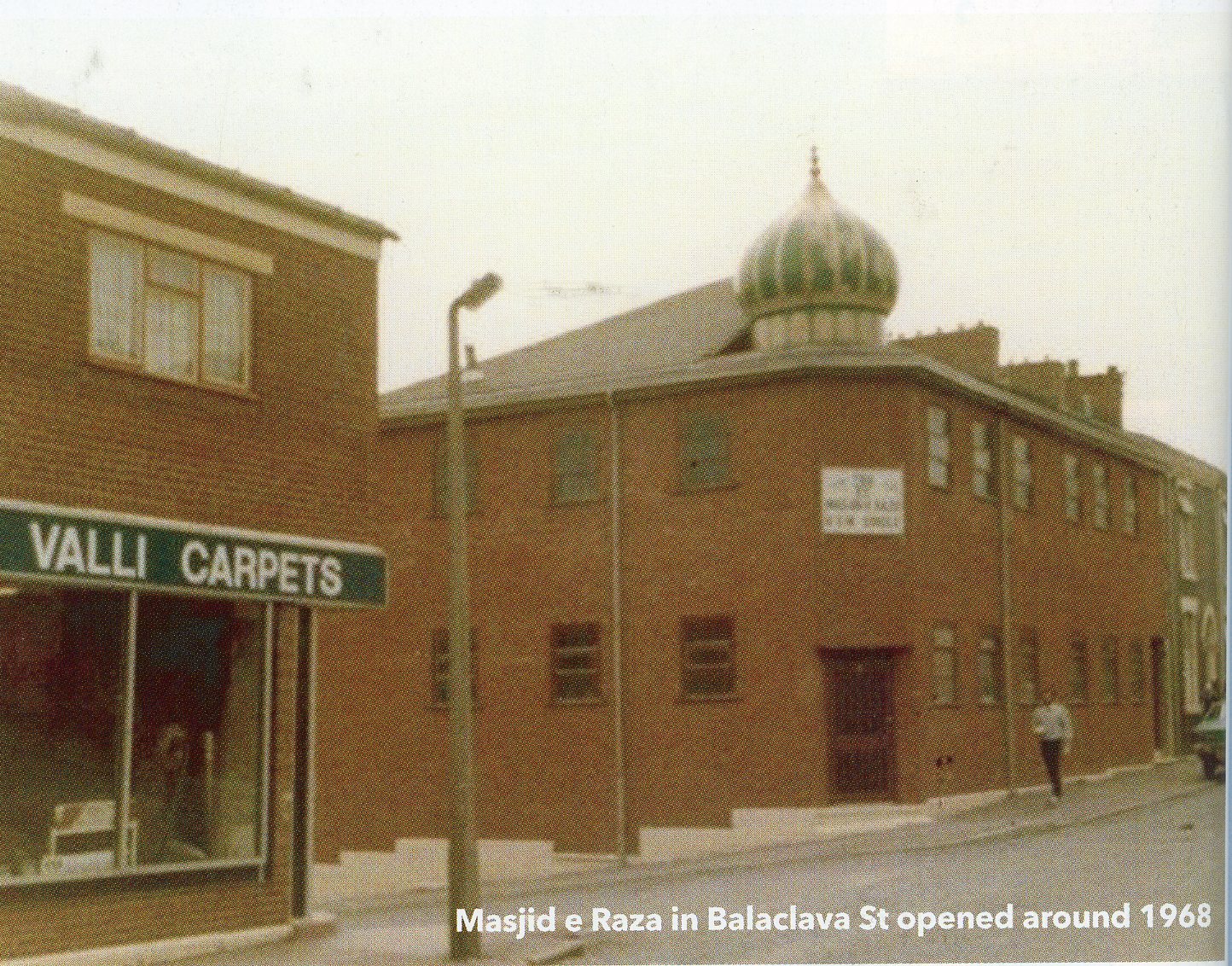
Masjid E Raza
Alongside these early developments, Masjide Noorul Islam in Audley Range emerged from similarly humble beginnings. Formal activity began in the late 1960s when the Islamic Education Society of Blackburn was formed by around 50 members. Teaching and prayer initially took place in a spare room within a member’s house before a terraced property on Lambeth Street was purchased and converted into a mosque and madrassa. As numbers increased, neighbouring houses were acquired to expand classroom provision and accommodate the Imam.
In 1972, came Masjid-e-Raza on Randal Street. The building had previously been a dance hall. A reminder of Blackburn’s changing social fabric. Its conversion into a mosque symbolised both adaptation and rootedness.
Throughout the 1970s and 1980s, other mosque projects followed similar patterns. Terraced houses were purchased one by one; walls were opened up; partitions were removed. Former schools and community buildings were repurposed. What began as necessity gradually evolved into permanence. Mosques became more than prayer halls. They became centres of education, dispute resolution, youth engagement and social support.
Those early decades were not without challenge. Economic decline, mill closures and episodes of racial tension shaped daily life. In that environment, the mosque provided stability. It was a sanctuary in every sense. A place where elders found familiarity, children learned Qur’an after school and families gathered in Ramadan to break their fast together.
Ramadan in those years carried a distinct atmosphere. Streets around Brookhouse and Audley Range filled with families walking to evening prayers. Inside modest halls, dates and water were shared before congregants lined up for Taraweeh. There were no grand domes or expensive car parks but there was unity, discipline and devotion.
As the children of mill workers grew into professionals, business owners and community leaders, aspirations expanded. The idea of the mosque shifted from converted housing stock to purpose-built architecture. Facilities were designed with women’s sections, classrooms, disabled access and community halls. The mosque evolved into a multifunctional centre serving religious and civic life alike.
Last year saw the iconic Al Buraq masjid which brought history, culture, architecture and community under one roof.
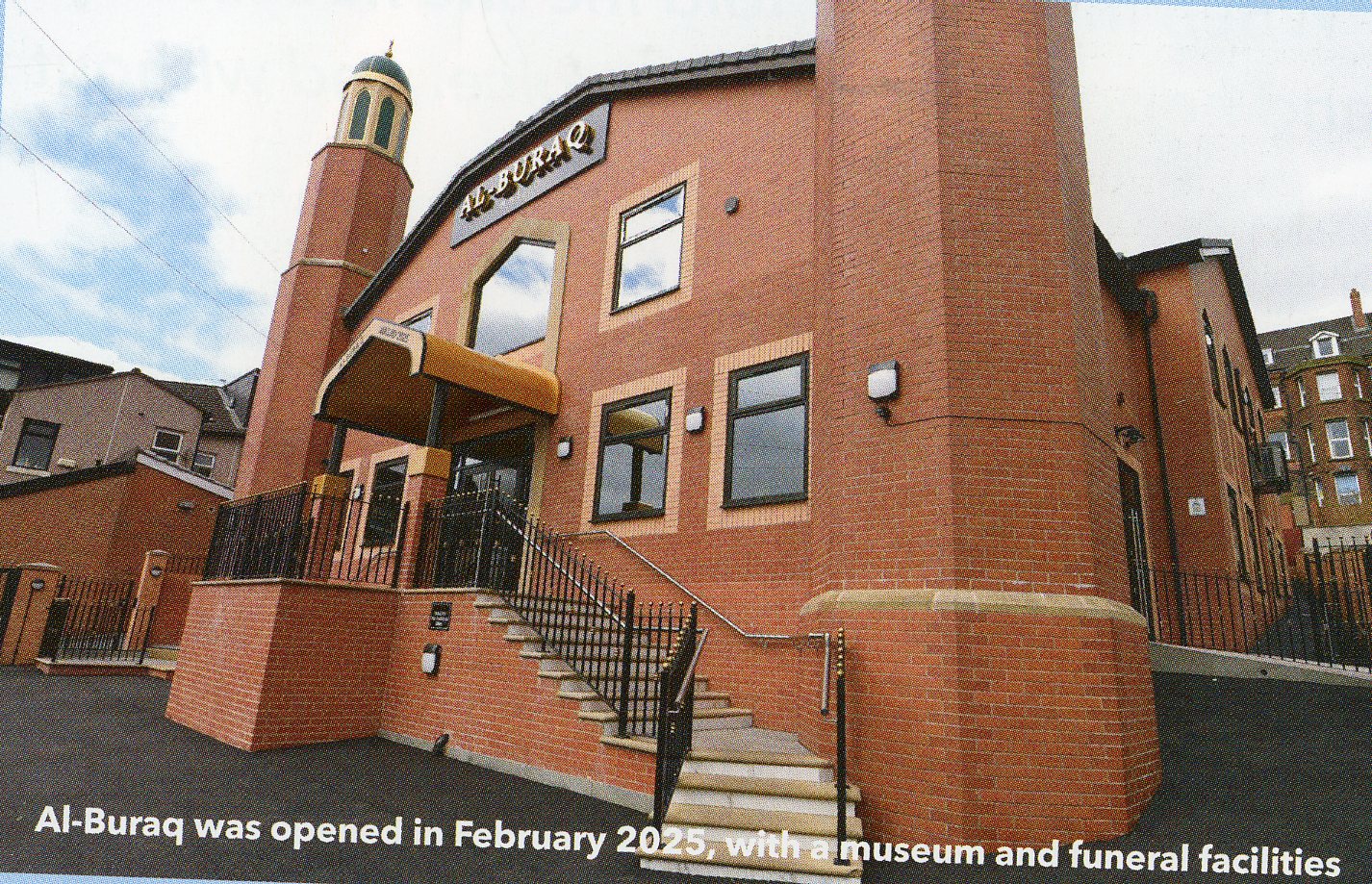
Al-Buraq
It is within this historical arc that masjid Vali now stands. Its £5 million investment reflects not only financial capacity but generational progress. From a single terrace house off Audley Range to a modern, purpose-built landmark, the journey spans more than six decades of sacrifice and steady growth.
Masjid Vali does not erase the past. It honours it. It stands on foundations laid by Jamia Masjid, 29 Bicknell Street, Masjid-e-Raza, and the early pioneers of Noorul Islam. Each terraced house purchased, each classroom partition built, each volunteer hour contributed has led to this moment.
From spare rooms to domes and minarets, Blackburn’s mosques tell a story of resilience, adaptation and faith carried across continents. As worshippers gather in the splendour of Masjid Vali’s new prayer hall let’s not forget the founding fathers of the community.
The skyline may have changed. The devotion has not.
Article published in One Voice Blackburn Issue 16 Spring 2026. Pages 14-17
Transcribed by Shazia Kasim, published August 2026.