Private Owen was born in Northwich, Cheshire in 1890 and duringsummer 1912 he married Alice Pickup, from Blackburn. He moved to Blackburn, and became a boatman. When war broke out he enlisted in the Lancashire Fusiliers. His death, reported in “The Blackburn Weekly Telegraph”, 16th September, 1916 noted that his wife who lived at 5, Troop-street, Blackburn had received a letter from his friend, in which he stated that Robert was brave and cheerful to the last. It was also reported that Robert had two brothers serving with the forces.
By 13th July 2016, the British advance had taken it to a point where it was now facing the second German defensive system. A well planned and novel night attack on 14th July took British troops through that system in the area of Bazentin. There was a fleeting but lost opportunity to capture High Wood beyond it.
The fighting for Arrow Head Copse and Maltz Horn Farm and for Falfemont Farm were also phases of the Battles of the Somme in which the 35th Division fought, and it was here, on 24th August 1916, Robert was killed in action in France.
Robert is remembered on the Thiepval Memorial to the Missing on the Somme, Pier and Face 3 C and 3 D.
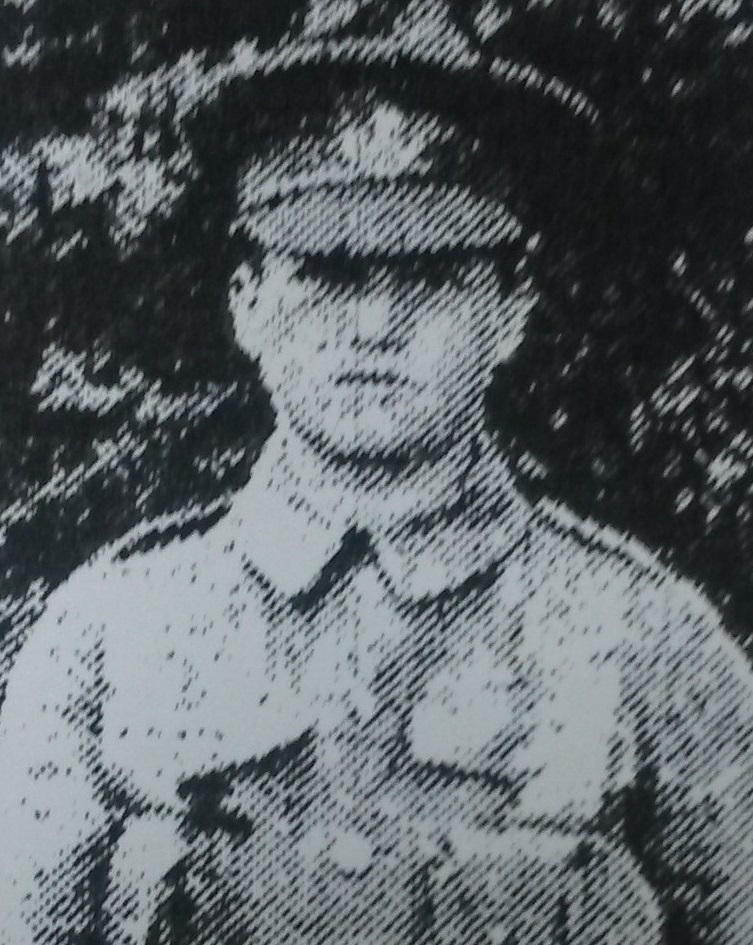 5th King’s Shropshire Light Infantry, 17739
 Private Page was born in Durham, where he spent the beginning of his childhood before the family relocated to Blackburn with his father’s new wife. It was in Blackburn where Page would go on to enlist for army service with the 5th Battalion King’s Shropshire Light Infantryin April 1915. Prior to military service, he was employed at Eccles Mill as a Weaver, and attended Belthorn Congregational Chapel.A year later, he was killed in action in France, and is remembered on the St. James Lower Darwen memorial.
The 5th King’s Shropshire Light Infantry served in the 14th (Light) Division. He was killed fighting in The Battle of Delville Wood, 15th July – 3rd September 1916.
Delville Wood had become a charnel house, choked with the dead of both sides. After the Battle of Bazentin Ridge, the British tried to advance on both flanks to straighten the salient at Delville Wood, to reach good jumping off positions for a general attack. The Germans tried to eliminate the salient and to retain the ground, which shielded German positions from view and overlooked British positions. For the rest of July and August, both sides fought for control of the wood and village but struggled to maintain the tempo of operations. Ammunition shortages, high casualties, and wet weather reducing visibility, made the movement of troops and supplies much more difficult. Both sides were reduced to piecemeal attacks and piecemeal defence on narrow fronts, except for a small number of bigger and wider-front attacks, until early September. Most attacks were defeated by defensive fire power and the inclement weather, which frequently turned the battlefield into a slough of mud.
In a combined attack with the French from the Somme north to the XIV Corps and III Corps areas, XV Corps (including the 14th Division) attacked to complete the capture of Delville Wood and consolidate from Beer Trench to Hop Alley and Wood Lane. The 14th Division operation was conducted by a battalion of the 41st Brigade and three from the 42nd Brigade.
On 31st August the German attack began at 1:00 p.m. It was not until long after dark, that the extent of the German success was communicated to the XV Corps headquarters, where plans were made to recapture the ground the next day.
The Battle of Delville Wood was costly for both sides and the 14th Division lost 3,615 casualties.
John James Page has no known grave, and is remembered on the Thiepval Memorial to the Missing on the Somme, Pier and Face 12 A and 12 D.
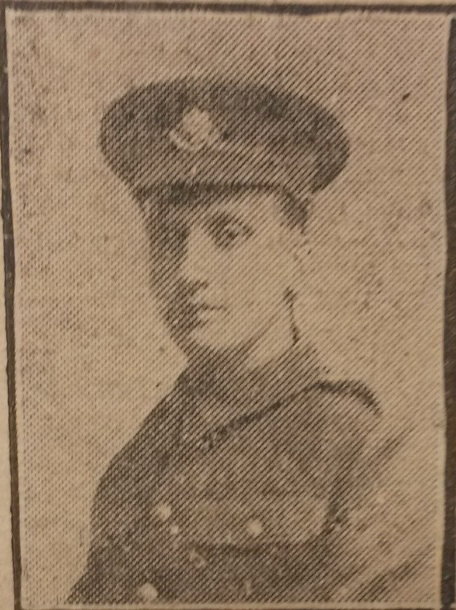 1st Cheshire Regiment, 26779
 Private Parkinson was born and raised in Blackburn. In the summer of 1907 he married Lily (née Hatton), a ring spinner, at St. Luke’s, Blackburn and they had a son. They lived at 17, Coddington-street and Frederick was employed at Shackleton’s Corn Mill.
Frederick enlisted into the Cheshire Regiment, for short service, in 1915 when he was thirty years old. In late 1915, many units of the 5th Division were switched for those of 32nd Division; a newly arrived volunteer formation. The idea was to "stiffen" the inexperienced Division by mixing in some regular army troops; even though by now many of the pre-war regulars had gone and the regular battalions themselves were often largely composed of new recruits.
March 1916 saw a move, with 5th Division taking over a section of front line between St. Laurent Blangy and the southern edge of Vimy Ridge, in front of Arras. This was a lively time, with many trench raids, sniping and mining activities in the front lines. When the Franco-British offensive opened on the Somme, 1st July 1916, the 5th Division was enjoying a period of rest and re-fit and was in GHQ Reserve. This restful time however was not destined to last and Division were involved in numerous phases of the Battles of the Somme during 1916.
Private Parkinson most likely died in The Battle of Guillemont, 3rd – 6th September 1916: South of Delville Wood, the second German defensive system had snaked down to the village of Guillemont. It became another place where men of both sides were cut down in their thousands, as an attack and counter-attack took place.
Less than one year after embarking he was killed in action in France. He is remembered in memoriam at St. Thomas and St. Luke's memorial and on the Memorial at Thiepval Pier and Face 3 C and 4 A. His death was reported by The Blackburn Weekly Telegraph September 30th, 1916
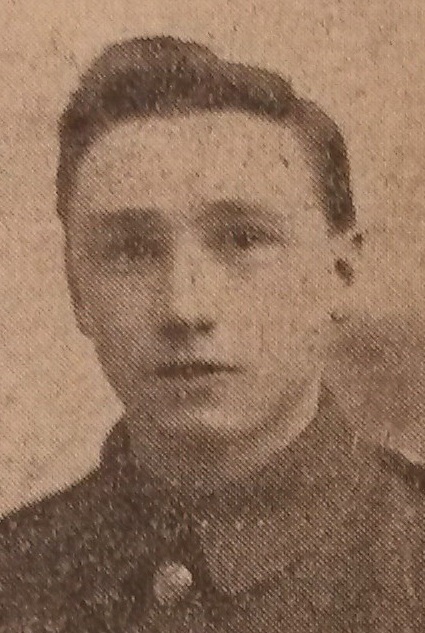 2nd King’s Royal Rifle Corps, A/203051
Born in Liverpool in 1893 but living with his grandmother in Blackburn, Samuel Parkinson enlisted into the 2nd Battalion King’s Royal Rifle Corps and served as a rifleman. Prior to his service, he lived with his sister as a boarder on 48 John-street, and was a Printer’s Apprentice.The Battalion shipped out to France in early 1915, and fought the following battles:
The Battle of Aubers, 9th May 1915:
Throughout the winter of 1914-15 the Central Powers (Germany and Austria-Hungary) continued offensive operations against Russia. Although they achieved no major or strategic breakthrough there, they were determined to stand on the defensive in the west in 1915, pressing forward in the east. Once Russia had been defeated, the full weight of their forces could be deployed against the formidable Western Front (as indeed did happen three years later). The German Supreme Command thus moved forces from the west to the east.
More than 11,000 British casualties were sustained on 9th May 1915, the vast majority within yards of their own front-line trench. Mile for mile, Division for Division, this was one of the highest rates of loss during the entire war.
This battle was an unmitigated disaster for the British army. No ground was won and no tactical advantage gained. It is very doubtful if it had the slightest positive effect on assisting the main French attack fifteen miles to the south.
The Battle of Loos, 25th September – 18th October 1915
Compared with the small-scale British efforts of spring 1915, this attack of six Divisions was a mighty offensive indeed - so much so that it was referred to at the time as 'The Big Push'. Despite heavy casualties, there was considerable success on the first day in breaking into the deep enemy positions near Loos and Hulluch. But the reserves had been held too far from the battle front to be able to exploit the successes and succeeding days bogged down into attritional warfare for minor gains.
From a strategic viewpoint, Loos showed that even with tactical weaknesses, it was possible to break into the most strongly defended German positions (although casualties were inevitably high). Commander of First Army, Sir Douglas Haig, was adamant that a fleeting opportunity to break through the enemy lines had been lost because of mishandling of the reserves. They had arrived too late to provide the punch that was necessary. Many of the lessons of Loos were not learned, and many of the mistakes were repeated with uncanny similarity on the first day of the Battle of the Somme, 1st July 1916.
The Battle of Albert, 1st – 13th July 1916:
In this opening phase of the Battles of the Somme, the French and British assault broke into and gradually moved beyond the first of the German defensive systems. For the British, the attack on 1st July proved to be the worst day in the nation's military history in terms of casualties sustained. It is the aspect of the battle that is most remembered and most written about, and for good reason - but to concentrate on the failures is to entirely miss the point of the Somme and why the battle developed into an epic period of the Great War. On the first day, British forces at the southern end of the British line made an impressive advance alongside the French Sixth Army, capturing the villages of Montauban and Mametz and breaking through the enemy's defensive system. North of Mametz the attack was an almost unmitigated failure. The situation led to a redirection of effort, with the offensive north of the River Ancre effectively being closed down and all future focus being on the line south of Thiepval. There was a stiff fight for Trones Wood and costly, hastily planned and piecemeal attacks that eventually took La Boisselle, Contalmaison and Mametz Wood during the rest of the period up to 13th July.
The Battle of Bazentin (or the Bazentin Ridge), 14th – 17th July 1916:
By 13th July the British advance had taken it to a point where it was now facing the second German defensive system. A well planned and novel night attack on 14th July took British troops through that system in the area of Bazentin. There was a fleeting but lost opportunity to capture High Wood beyond it.
The Battle of Pozieres, 23rd July – 3rd September 1916:
Possession of Pozieres was key to making possible any further advances towards Bapaume, the capture of the Thiepval ridge and the breaking of resistance at High and Delville Woods. The battle for Pozieres and nearby Mouquet Farm became an epic in its own right, with tenacious German defence keeping determined British-Australian attack at bay for several weeks. This was the first large-scale Australian battle in France and proved to be its costliest in terms of total casualties.
Parkinson died of his wounds on 8th September 1916, most likely sustained whilst fighting in the Battle of Pozieres, in France. He is remembered at St. Anne’s and St. Alban's Memorial, and on the Thiepval Memorial to the Missing on the Somme, Pier and Face 13 A and 13 B.
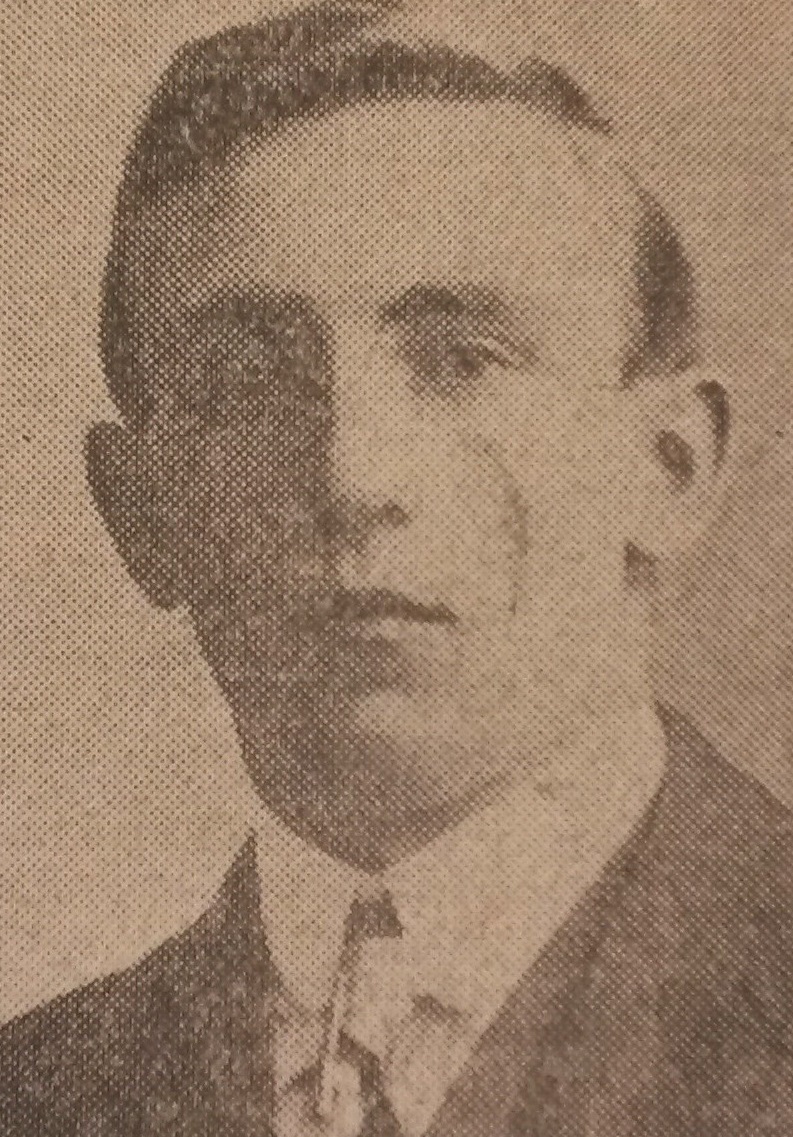 3rd Rifle Brigade, S/9308
 Originally from Ipswich, Joseph Pearson Phillipson was born in 1888 in Bristol, Gloustershire to William and Rose Amy Pearson. His father was a paper maker, which Joseph would also become by 1911, but in Livesey, rather than Bristol. Joseph moved to 22 Preston Old-road, Feniscowles, and lived with his 3 brothers.Joseph married Frances Hornby at St. Bartholomew’s in Ewood on 1st March 1913. They lived at 29 Charnley-street, Mill Hill, and had a child before his death in August 1916.
Joseph enlisted into the 3rd Rifle Brigade in 1914, and spent nearly a year in training before embarking for France on 1st September 1915.
Following training in trench warfare and experience of manning the front line, Joseph was sent to fight in a full assault in July 1916 at the Battle of Delville Wood.
Both sides fought tenaciously to possess the wood. It became an epicentre of the bloody attack and counter-attack attritional fighting that characterised much of the Somme offensive after 14th July.
On 18th August, the Battalion received orders to attack two lines of enemy trenches. With some luck, it was carried out with complete surprise and 70 prisoners, 1 officer and 2 machine guns were captured. In spite of this success, Joseph was reported as wounded, then missing on that date. It would be another 6 months before officials confirmed his death.
Joseph has no known grave, but is remembered on the Thiepval Memorial to the Missing on the Somme, Pier and Face 16 B and 16 C.
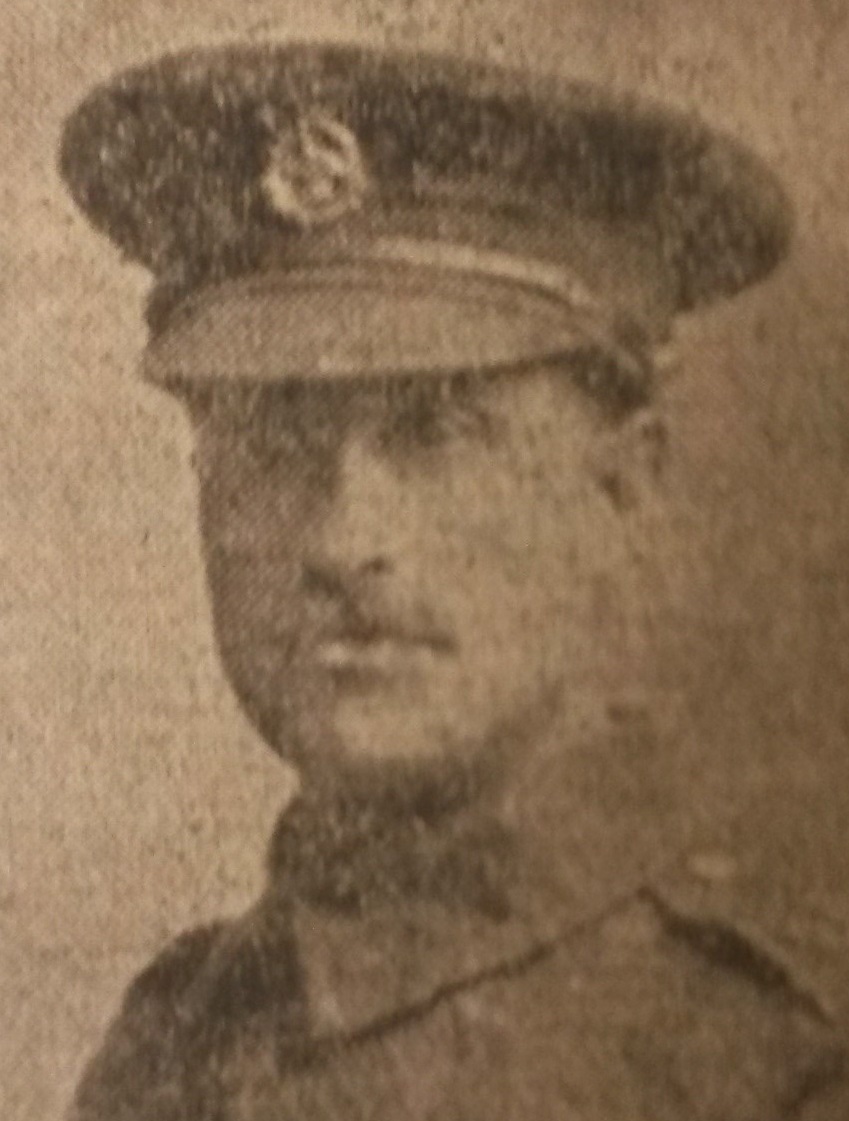 2nd/5th Lancashire Fusiliers, 203962
 Arthur Pickering married Esther Ann Holmes in 1905 and they had two children, Arthur and Eliza, who was born in 1912. Esther also had a daughter, Mary Jane, by a previous marriage.They lived at 6 Pitt-street in Blackburn and Arthur was employed as a moulder at Willan and Mills foundry.He enlisted at Blackburn into the 2nd/5th Battalion Lancashire Fusiliers in May 1915 and after a very short period of training embarked to France in July 1915.
In 1916 the 2nd/5th Battalion were part of 164th Brigade 51st (Highland) Division.
The 33rd Division attacked High Wood at dusk on the 19th of July. Two battalions of the 19th Brigade crept forward on 20th of July, during a bombardment and attacked when it lifted at 3:25a.m. During the afternoon of the 21st July, another battalion went forward and managed to reach the northern fringe of the Wood. Due to the number of British casualties, two more battalions were sent forward as reinforcements but as dark fell, a German bombardment forced the British from the north end of the Wood, which was retaken by German troops and both sides dug into their positions.
After the attacks on the 20th July ended the Germans reoccupied most of High Wood, until only the southern corner remained in British hands. The Germans also dug a new defensive position, known as Intermediate Trench, ahead of the Switch Line to the west of the Wood. This meant that taking the Wood, became an even harder for the British.
On the night of the 22nd/23rd of July, the 4th Gordon Highlanders attacked the eastern corner of the wood, whilst the 1st Royal West Kent’s attacked the south-eastern part and Wood Lane, along with the 14th Royal Warwickshire’s.
There had been a preliminary bombardment, but this had not inflicted sufficient loss on the defenders, and they were able to hold High Wood. No significant gains were made, although the Royal West Kent’s suffered 420 casualties. The other battalions also suffered losses.
Arthur Pickering was killed on the 9th of September during this battle.
Arthur, aged 33 years, was reported “missing” in The Blackburn Times, October 21st, 1916 but it was not until July 14th, 1917 that the “Times” recorded that “Private Arthur Pickering who has been missing since September 9th, 1916 is now officially presumed to have fallen in action on that date. A brother-in-law, Private William. Holmes, served in Mesopotamia.
He has no known grave and is commemorated on the Memorial at Thiepval, Pier and Face 3 C 3 D.
It is thought that at least 8,000 British and German soldiers died in the wood during 1916.
James Pinder was born in Blackburn in 1889, although no records could be found relating to his family.
At the time of the 1911 census he was a serving soldier with the Royal Engineers, and listed as a Carpenter, and single.
Following the outbreak of war in August 1914 he quickly returned to the army and joined the 2nd Battalion of the Border Regiment, which was part of 7th Division. He is moved to France where it is likely that he was involved in the battles of Aubers Ridge, Festubert and Loos in 1915.
In 1916, for the Somme Offensive, the Battalion moved up to the assembly points immediately before the attacks on 1st July. At this time the Battalion went “over the top” in the Fricourt/Mammetz area.
Lieutenant General Henry Horne ordered 7th Division to clear the high ground along Willow Stream (which meant capturing the enemy's first and second trench lines and Mametz village in order to do so) and 21st Division to do the same on the west bank of the stream. However, Fricourt being considered much too strong a position to take by frontal assault, it would not be attacked at first but would be be "pinched out" once the attack of 7th Division (east of village) and 21st Division (west) had succeeded in pushing around its flanks.
In the ensuing assault, there were heavy casualties for the 2nd Borders, including Private James Pinder. His body was never found, but he is remembered on the Thiepval Memorial to the Missing on the Somme, Pier and Face 6 A and 7 C.
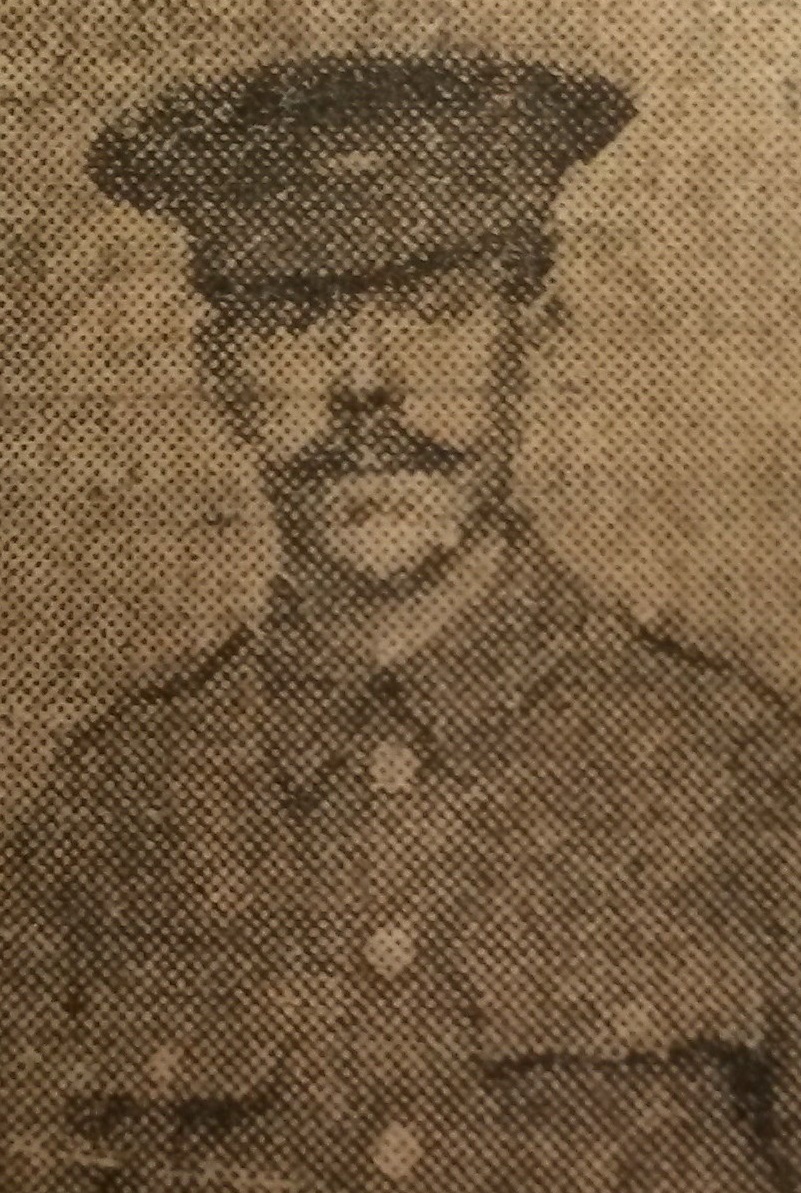 1st East Lancashire Regiment, 17215
 William Poynton was born in Blackburn, and would later enlist here into the 1st Battalion East Lancashire Regiment – he was married to Ada, a cotton weaver, also from Blackburn. They had six children.As part of the 4th Division, Private Poynton would have joined the Battalion just before the major offensives on the Somme.
The 1st Battalion was tasked to capture an area around Serre, not too far from their brother soldiers in the 11th East Lancashire Regiment, The Accrington Pals. What followed was disastrous, as soldiers, heavily laden with kit, were mowed down by heavy machine gun fire. The 1st Battalion would lose over 700 of its 1000 soldiers and officers on this one day alone. This is where William Poynton lost his life.
William is remembered on the Theipval Memorial to the Missing on the Somme, Pier and Face 6 C.
Edwin Purcell was born Nantwich Cheshire and was one of 8 Children. They are identified as living there in the 1901 Census. Before the 1911 Census Edwin and his elder brother moved to Blackburn where they are both identified as printers.
Edwin probably enlisted in 1914 at a recruitment push for the 16th Battalion King’s Royal Rifle Corps in the area. It is possible that his links in his local church, St Marks, had an influence in this.
The 16th Battalion was raised in September 1914. They recruited nationally and strong recruiting is was noted at Bolton and Rochdale. They were known as the Chruchman’s Battalion due to their close links to the Church Lads Brigade. The Battalion was unusual in that it was one of the few new army Battalions to serve in a regular division. The Battalion went to France in November 1915, and started to learn the trade of trench warfare, manning the front line through the winter and spring of 1916.
On 1st July 1916 the Battalion was not in action but by 15thJuly they were involved in a series of unsuccessful assaults on High Wood. The Battalions most significant action was on 15th July, they suffered 120 men killed and numerous wounded. Edwin Purcell was one of those killed.
Edwin has no known grave, but is remembered on the Thiepval Memorial to the Missing on the Somme Pier and Face 13 A and 13 B. Edwin’s brother Walter was killed whilst serving in the Army on 3rd August 1918.
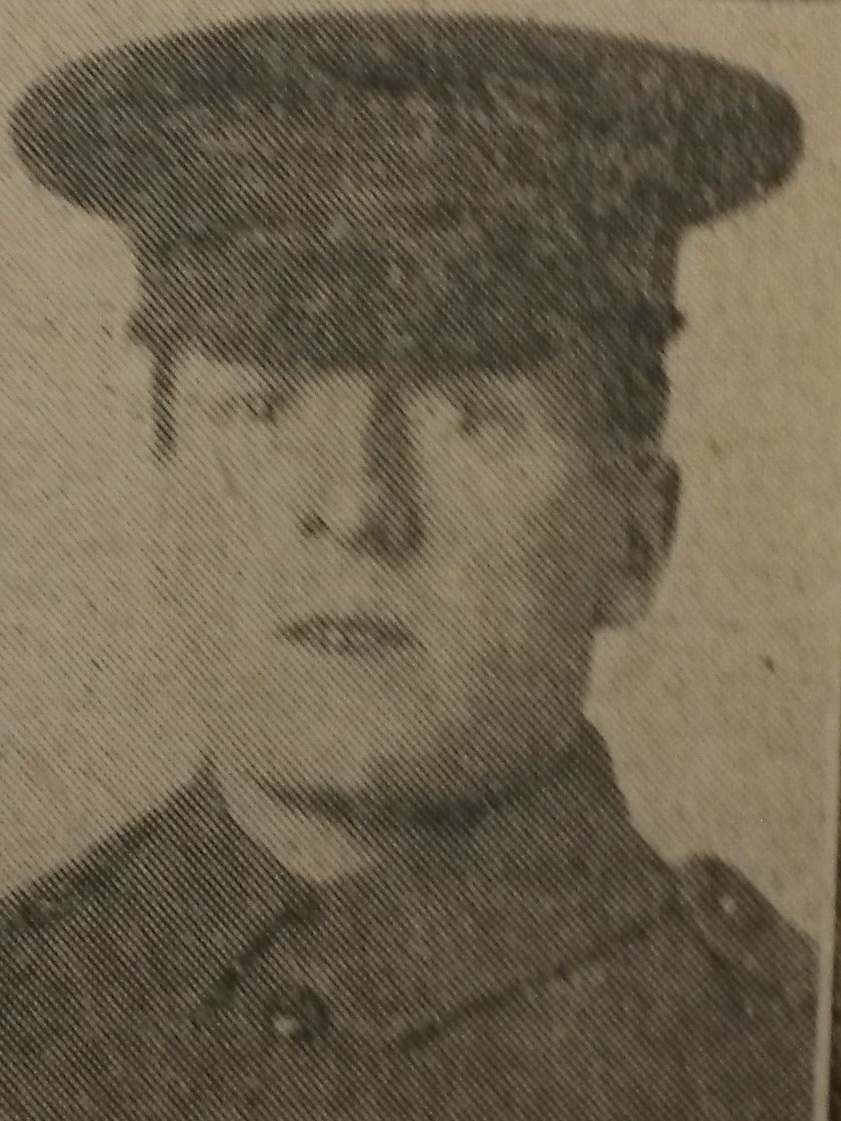 9th King’s Own Yorkshire Light Infantry, 14716
Harry Renwick, born 1887, was the son of John and Mary Renwick of 52, Selbourne-street, Blackburn. He was the youngest of ten Children. His father had died by 1911 and his Mother appears to have re-married Shepard Wilson and living at 27 Hardman Street.
For some time prior to his enlistment in 1914, Harry was a Joiner at Messrs. Higson (Builders) in Blackburn. He was also a regular worshipper at Thompson Street Congregational Church, which is where he got married as well.
Harry enlisted in September 1914 into the 9th King’s Own Yorkshire Light Infantry, which came under command of 64th Brigade in 21st Division. They moved to Berkhamsted and then to Halton Park (Tring) in October 1914, going on to billets in Maidenhead in November. They returned to Halton Park in April 1915 and went on to Witley in August. In September 1915, they landed in France.
Advanced parties embarked for France began on 2nd September and the main body began to cross the Channel five days later. Units moved to assemble near Tilques, completing concentration on 13th September. The Division's first experience was truly appalling. Having been in France for only a few days, lengthy forced marches brought it into the reserve for the British assault at Loos. GHQ planning left it too far behind to be a useful reinforcement on the first day, but it was sent into action on 26th September, whereupon it suffered over 3,800 casualties for very little gain.
Following this, in 1916, the Battalion saw action in the Battle of Albert and the Battle of Bazentin, before fighting at Flers-Courcelette. This was a large-scale general renewal of the offensive after the weeks of attritional fighting for the third German system at Pozieres, High Wood, Delville Wood, Guillemont and Ginchy. It is historically noteworthy for being the first time that tanks were used in battle.
Harry Renwick was killed on 16th September 1916. The war diary for the Battalion states:
“Battalion moved up to Flers and occupied trenches held by part of 41st Division. The 64th Brigade attacked Gueubecourt. The 9th King's Own Yorkshire Light Infantry in the centre of the brigade advanced to within 50 yards of the objective where it occupied a line of shell craters. The attack was then held up by the enemy and under cover of darkness the battalion returned to its original position’’
‘’The casualties during the action where Officers killed 4, wounded 6, missing 3. Other ranks killed 43, wounded 180, missing 153’’
Harry has no known grave, but is remembered on the Thiepval Memorial to the Missing on the Somme, Pier and Face 11 C and 12 A.
Harry Rhodes was the eldest child of Martha Emily and Alfred Rhodes. He had five younger siblings. The family moved from Burnley prior to the 1911 census where they are recorded as living at 22 Lynwood-road, Blackburn. Harry Rhodes who was 17 years old at this time is identified as a grocer’s assistant.
Harry Rhodes is likely to have volunteered shortly after the outbreak of war and joined the 2nd Battalion of the Kings Rifle Corp. Following training he embarked to France on 16th June 1915. At this time the Battalion were in the Vaudricourt area. In September 1915 the Battalion were involved in the Battle of Loos and it is likely that Harry will have been involved in this action.
In July 1916 the Battalion were in reserve on the opening day of the Somme offensive. As the fighting moved slowly eastwards the Battalion moved to the Bazentin area. On 20th August the Battalion were involved in attacks towards High Wood. Casualties were heavy and included Private Harry Rhodes who was killed in action.
Harry Rhodes has no known grave, but is remembered on the Thiepval Memorial to the Missing on the Somme, Pier and Face 13 A and 13 B.
2nd Lancashire Fusiliers, 4257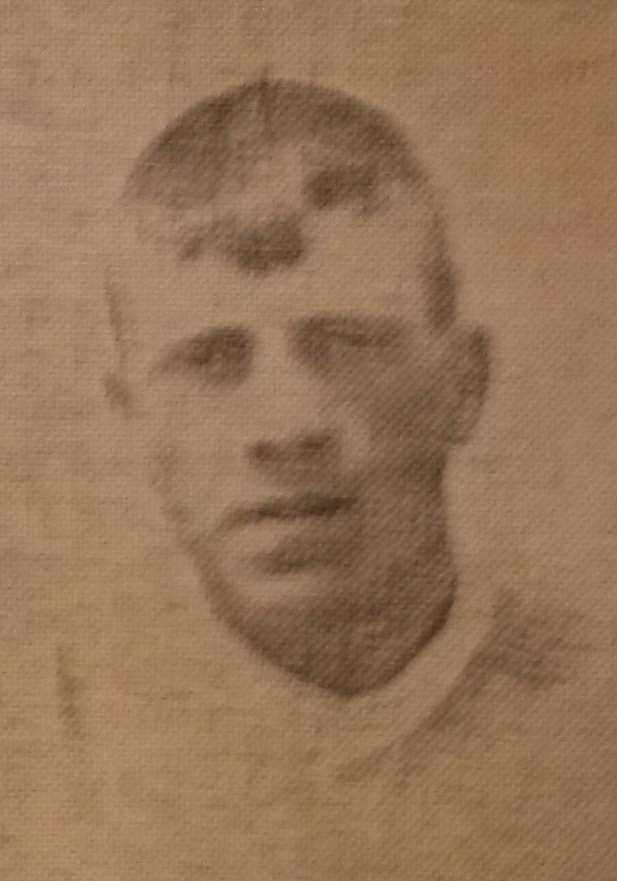
Private Leonard Riding of the 2nd Lancashire Fusiliers, son of William and Catherine Fallan of 22 Dale-street, Blackburn, was killed on 1st July 1916 at the Battle of Albert on the Somme.
The son of the Mill Spinner, Riding worked as a Waste Sorter. He had been in the job for many years, but shortly after the war began, Riding signed up on 13th December.
During December 1914, the 2nd Battalion Lancashire Fusiliers were one of the British units to take part in the Christmas truce, which involved a series of unofficial ceasefires along the Western Front.
Leonard Riding was part of the infantry attack at the Battle of Albert (1st-13th July), the first battle of the Somme. It was an Anglo-French attack against the German Second Army of General Fritz von Below, designed to capture the German first and second positions from Serre south to the Albert–Bapaume road and the first position from the road south to Foucaucourt. Unfortunately, Riding was one of the 57,470 casualties the British had suffered on the first day of the Battle.
Since 1st July 1916, the cost of the battle and the "meagre gains" have been a source of grief and controversy in Britain; in German and French writing, the first day of the Battle of the Somme has been little more than a footnote to the mass losses of 1914–1915 and the Battle of Verdun.
Leonard Riding is remembered on the Thiepval Memorial, Pier and Face 3 C and 3 D He has no known grave.
Private Herbert Riley
1st South Wales Borderers, 42090
Private Herbert Riley of the 1st South Wales Borderers, son of Thomas and Catherine Riley of 166 Harwoo-street, Blackburn, was killed on 9th September 1916 during the attack of High Wood on the Somme.
The son of the Cotton Weaver, Riley worked as a Cop-packer before the war began. He was formerly part of the Cheshire Regiment but was transferred to the South Wales Borderers.
Herbert Riley was part of the infantry attack at High Wood (3rd – 15th September). A small offensive was planned in the first days of September to improve positions at High Wood before a major attack which was to follow later on 15th September. By 8th and 9th September, it was decided before the tanks could attack High Wood there would be another attempt at improving the British position. Together with the 1st Gloucester’s and the 2nd Welsh Regiment who attacked the West side of High Wood, and the 2nd Royal Sussex and 2nd Kings Royal Rifle Corps who attacked the South East of High Wood, Riley and the South Wales Borderers attempted to make progress. The South East of High Wood had been successfully captured however, the Gloucester’s and Welsh Regiments suffered badly on the West. There were successes at Wood Lane, Ginchy and Delville Wood but the intention of the 9th September attack, to obtain a better starting position for the large-scale offensive on the 15, had not really been met.
Herbert Riley is remembered on the Thiepval Memorial Pier and Face 4 A.
Private James Robinson
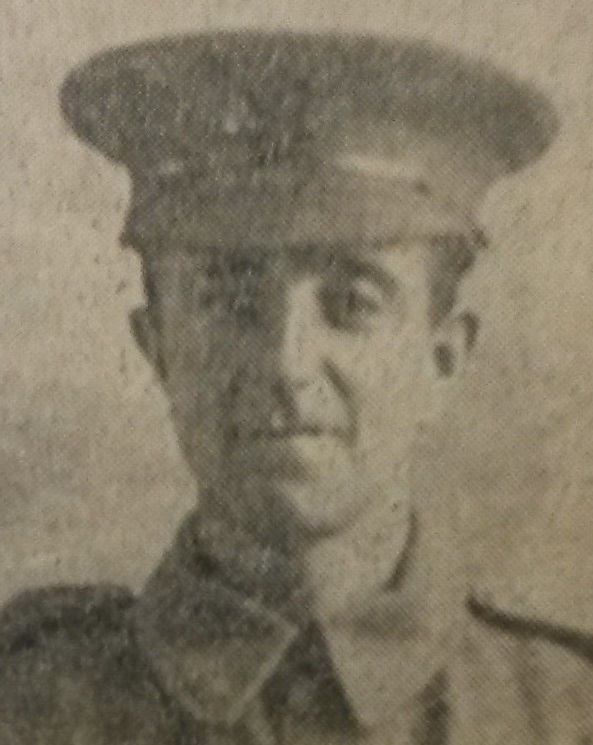 9th Kings Royal Rifle Corps, R/15130
Private James Robinson of the 9th Kings Royal Rifle Corps, 45 Portland-street, Blackburn, was killed on 15th September 1916 at the Battle of Flers–Courcelette on the Somme.
Robinson was a Weaver before he enlisted on 17th August 1915. The previous year he married his partner Alice Holden and had a daughter, Hilda.
Flers–Courcelette began with the objective of cutting a hole in the German line by using massed artillery and infantry attacks. It was led by General Sir Henry Rawlinson and consisted of 12 divisions and 49 tanks that attacked the German front-line on 15th September, 1916. The tanks surprised the Germans and in three days the British captured 2km of German held territory. However, a large number of the tanks broke-down and Rawlinson's army was unable to hold on to its gains. After an unsuccessful second attack on 25th September, the offensive at Flers-Courcelette was brought to an end.The battle is significant for the first use of the tank in warfare. James was killed in action on the first day of the attack.
James Robinson is remembered on the Thiepval Memorial to the Missing on the Somme, Pier and Face 13 A and 13 B.
Private Thomas Robinson
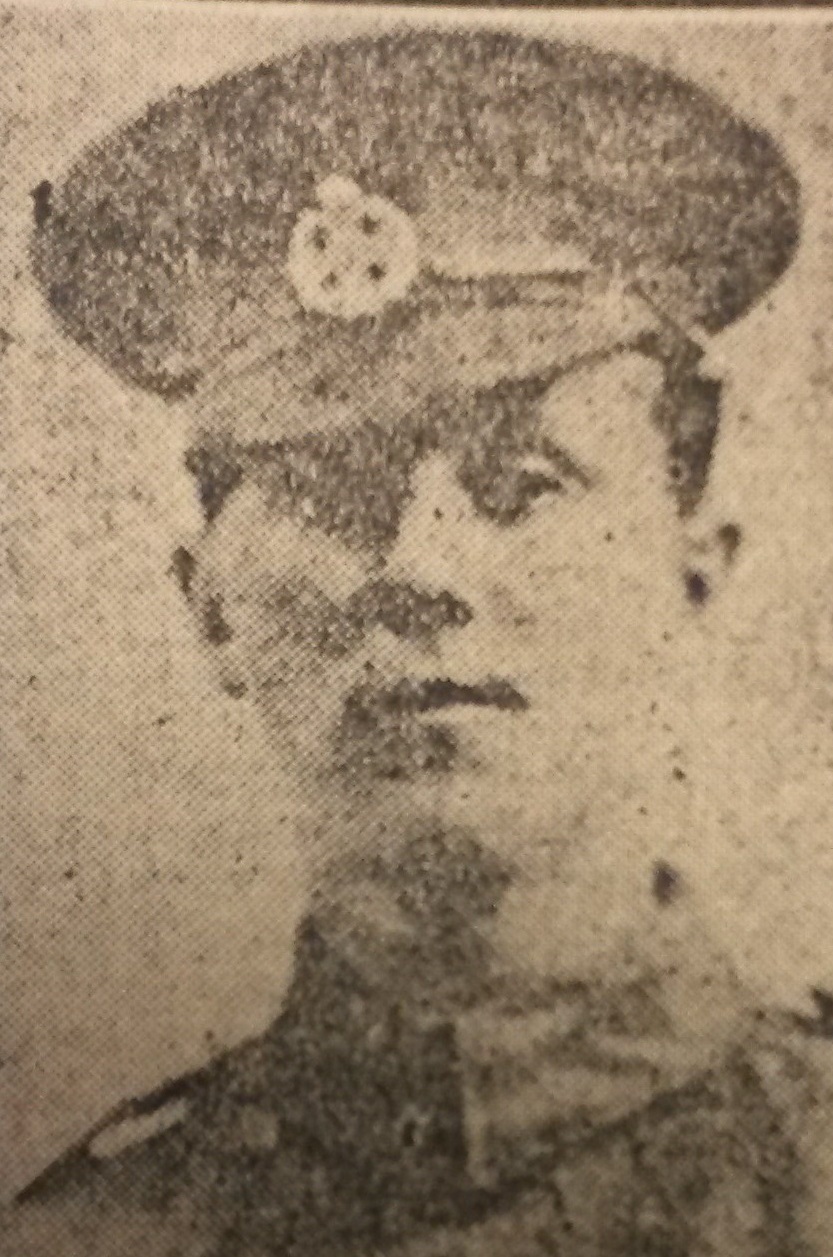
10th Rifle Brigade, S/874
Private Thomas Robinson of “A” Company 10th Battalion Rifle Brigade, son of Joseph Robinson and Elizabeth Jane Robinson of 168 Addison-street, Blackburn, was killed on 3rd September 1916 at the Battle of Guillemont on the Somme.
The son of the brick layer, Robinson worked as a wholesale grocer’s assistant before he enlisted on the 22nd June 1915.
The Battle of Guillemont started on 3rd September by XIV corps, and was led by the 20th Division, with the 5th Division to their right. The 20th Division attack started from a series of trenches close to the German front line and despite the continuous bombardment of the village itself, there was a maze of German strongpoints underneath. Robinson and the 20th Division were successful with their attack, capturing all three of their objectives and reaching the Ginchy-Wedge Wood road, east of Guillemont but not without heavy losses. Thomas Robinson was unfortunately killed in action on the first day of the attack.
Thomas Robinson is remembered on the Thiepval Memorial to the Missing on the Somme, Pier and Face 16 B and 16 C.
Private Thomas Bernard Rodgers of the 22nd Manchester’s, was killed on 1st July 1916 at the capture of Mametz on the Somme.
The objective of Mametz for the Manchester’s was to clear the German frontlines, the Bulgar Trench and Cemetery Trench, to capture the village of Mametz and then past the Dantzig Alley Communication Trench to capture the final German line the Fritz Trench.
Along with the 1st South Stafford’s, the 22nd Manchester’s made their way across no man’s land to the right but came under fire from German machine guns in Dantzig Alley communication trench as they approached Cemetery Trench and the edge of the village. By 8am, the Stafford’s were well into the village ruins and the Manchester’s were pressing on to Bucket Trench, having almost gained their objectives. However, German resistance began to stiffen, and the leading men were forced back on Cemetery Trench. After heavy bombardment on the Dantzig trench and costly advances against the Germans, the village of Mametz had fallen by 4pm. The 91st Brigade had succeeded in all their objectives on the first day but with heavy losses. The casualties of 7th Division on the day amounted to 3,380 officers and men, the vast majority from machine gun fire. Unfortunately, it is likely that Thomas was killed in action from the machine gun fire while the Manchester’s made their way across no man’s land.
Thomas Bernard Rodgers is remembered on the Thiepval Memorial to the Missing on the Somme, Pier and Face 13 A and 14 C.
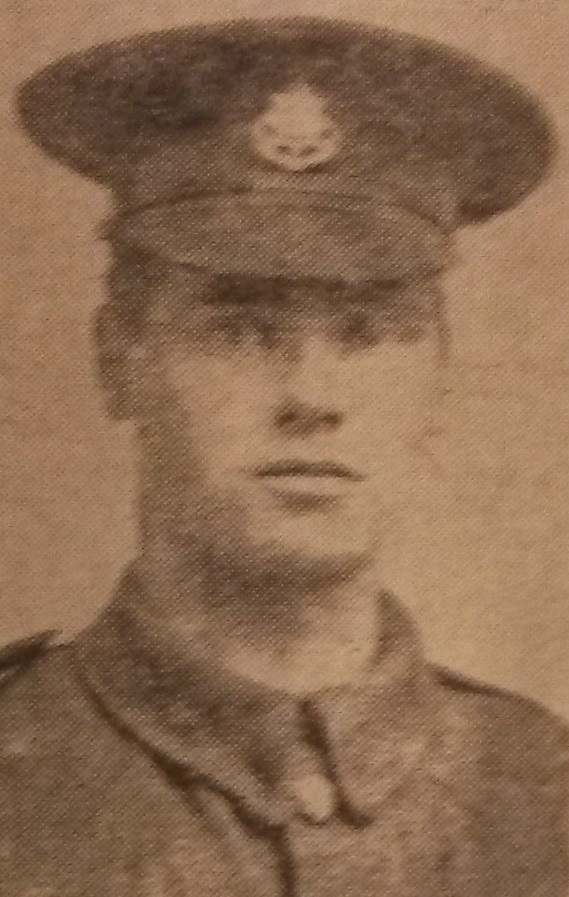 8th East Surrey Regiment, 5071
Joseph ‘Joe’ Rostron was born in the summer of 1892. He was the eldest son of John and Angela Rostron, who, at the time of the 1911 census, had seven children; four sons and three daughters, having lost a child previously. They were farmers at Lower Twistfield Farm, Pleasington, and in 1911, was said to be working at the farm, as an 18 year old lad, alongside his parents and brother and sister.
But the farm wasn’t his main interested, and he became a joiner in 1914. In his spare time he was connected with St. Silas Church and took a keen interest in football.
Shortly after war broke out, Joe enlisted in September 1914 into the 8th Battalion East Surrey Regiment.
The 8th fought at Loos in 1915, and the rest of the Regiment was brought together in 1916. On the 1st July 1916, B Company, 8th Surreys of the 18th Division gained immortality, when they had the effrontery to dribble four footballs across No Man’s Land during the attack on Montauban. They lost 446 men killed, wounded or taken prisoner that day, though the battalion won two DSOs, two MCs, two DCMs and nine Military Medals (MMs); in addition, their objectives were secured.
Joe had been in France almost 12 months, when he was killed in action on that day. He received a German bullet through his stomach whilst bandaging a friend who had fallen wounded. Jack Kenyon, a friend and colleague of Joe, had thought that Joe had only been wounded on Saturday, 1st July but when he failed to return to the dressing station, they searched the battlefield on the Monday and Jack was shocked to find his chum lying dead, but with a smile on his lips. Jack wrote to Joe’s mother, Angela, sadly reporting of the devastating news. He wrote that Joe must have died instantly and he offered his sympathy and that of Joe’s pals. He was obviously a popular lad, with his comrades, who would all miss him very much.
The saddest element of Joe’s story is that he has no known grave. He is remembered on the Thiepval Memorial to the Missing on the Somme, Pier and Face 6 B and 6 C

 Loading more