
 Loading more
M to R
Samuel Morris
Private Harold Maden
2nd/5th Lancashire Fusiliers, 204060
Harold Maden was born in Burnley to James and Constance. They lived at 13, Smith-street Burnley – James was a wheelwright, Constance a dressmaker and Harold in 1911 aged 18 was a pattern machinist. Harold’s address was 52, Baines-street, Lower Audley at the time of his death. His parents James and Constance Prudence are resident there in 1919. Harold is also commemorated in Burnley.
Harold was killed on 11th September 1916 at the Battle of High Wood. This was a renewal of the offensive finally broke through the area that had proved so difficult since 14th July. Using a small number of tanks for the first time in history the British Army finally captured High Wood and pressed on through Flers and up the Bapaume Road to Courcelette.
Harold is remembered on the Thiepval Memorial to the Missing on the Somme, Pier and Face 3 C and 3 D.
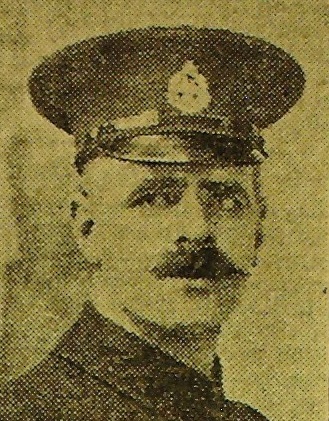 11th East Lancashire Regiment, 15938
Frank Marsden, born 1879, was originally born in Chorley, but moved to Blackburn at an early age. At 18, he joined the East Lancashire Regiment, seeing service in the Boer War before leaving to become a cinematographer operator. He got married to Jane, a tailoress, and they lived at 14 Union-street. Before the war started, he was also a painter.
When war broke out, Frankre-enlisted into the 11th Battalion of the East Lancashire Regiment at Blackburn on the 18th of February 1916. The 11th Battalion were the infamous Accrington Pals, and were shipped to France to fight in the Battle of the Somme.
They were positioned at Serre, and at 7.20 a.m. on the 1st of July 1916, the soldiers of the first wave left their trenches, passed through the British wire and lay down in No Man's Land to await the end of the bombardment. This ceased at 7.30 a.m., and in front of Serre men of the 12th York and Lancaster (Sheffield City Battalion) and the 11th East Lancashire's (Accrington Pals) who were the first wave stood up and tried to cross No Man's Land.
Just to the south, the attackers were of the 15th West Yorks (Leeds Pals) and the 16th West Yorks (1st Bradford Pals). The Sheffield City battalion men had laid white tapes which led to gaps in the German wire the night before, but when they attacked these were gone. The attackers were mown down by machine gun fire, and there was an almost total lack of success here, although one company of the Accrington Pals did reach Serre, but were lost. Reinforcements, men of the 13th and 14th York &Lancaster's (the 1st and 2nd Barnsley Pals) were sent in, but were also stopped with no success, and the attack here was then suspended, with no gains made whatsoever.
Frank Marsden was killed in the night following this battle, and is remembered on the Thiepval Memorial to the Missing on the Somme, Pier and Face 6 C. He has no known grave.
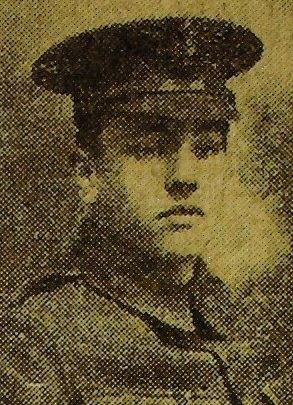
2nd South Lancashire Regiment, 27162
James Marsden was the son of George Albert and Sarah Ellen Marsden. They also had a daughter who was younger that James called Emily. James Marsden was born in Blackburn in 1895 and he and the family appear on the 1911 census where he is identified as a 16 year old and still at school. George Marsden is identified on the census and a stationer.
James Marsden volunteered for service and went through Attestation on 1st Dec 1914 where he is described as a bachelor and working as stationer, having presumably having joined his father. His designated Battalion was a regular unit and James would have joined them in France in March 1915.
James served in the Somme battles and he will have had an involvement in incidents referred to in the Battalion diaries including the fighting on 5th July in which the Battalion lost 251 men killed, this would represent about a quarter on the Battalions full strength.
It is likely that he was killed in a German artillery attack on 27th August 1916 when the Battalion was not serving in the line. James has no known grave and is remembered on the Thiepval Memorial Pier and Face 7 A and 7 B.
6th Border Regiment, 6559
Charles Mayor was born in Southport and the brother of Richard Mayor of 102,Ingham-street, Blackburn (NB I’ve checked the 1911 census and there is a record for Richard Mayor who is Southport-born and has a 9 year old named after brother Charles. Richard is a railway labourer.) He enlisted in Blackburn. His last battle was at Thiepval where he lost his life.
The preliminary bombardment began on 23rd September in poor visibility and mist rose morning and evening for the next few days. II Corps fired 60,000 field artillery and 45,000 heavy artillery rounds. On the afternoon of 24th September a detachment of the Special Brigade fired 500 lacrymatory (gas) shells into Thiepval, which silenced German trench mortars by 5:00p.m. A preliminary operation to capture Mouquet Farm began on the evening of 24th September, when a company from the 11th Division reached the farm, before a German bombardment and a bombing attack covered by accurate machine-gun fire, forced the British back. The creeping barrage began prompt at 12:35p.m. on 26th September and the infantry began their advance.
On the right flank, the Canadian Corps attacked with the 6th Brigade of the 2nd Canadian Division on the right, as flank guard and the 1st Canadian Division on the left. At 12:35p.m., the 6th Brigade advanced behind a creeping barrage with three battalions and two attached tanks, though a German counter-barrage kept the right-hand battalion in its trenches. Both tanks were lost early but the 29th Battalion in the centre reached the German front line in ten minutes, while the left battalion was stopped by machine-gun fire from ahead and the left flank, except for a few troops on the right. At 10:50p.m. the objective was captured from Twenty Road, westwards to the east end of Miraumont Road and held against two counter-attacks during the night.
The 1st Canadian Division attacked with two brigades. The right brigade with two battalions advanced 400 yards (370 m) to Sudbury Trench and resumed the advance at 1:00 p.m., reaching Kenora Trench on the right which ran north-west back to Regina/Stuff Trench by 2:40p.m. The battalion on the left had been delayed and German bombers counter-attacked the flank and were repulsed. The left battalion had formed up in no man's land, to escape the German counter-barrage but had a harder fight to reach their objectives, taking until mid-afternoon to reach the second objective, which was just short of the ridge crest, linking with the left brigade later. The left brigade advanced with two reinforced battalions, which received machine-gun fire from the left flank but reached Zollern Trench, taking the western part after a delay. At 1:00p.m., the advance resumed towards Hessian Trench, which was taken easily. Touch was gained with the right brigade but troops from the 11th Division on the left were not found. The Canadians bombed down Zollern Trench and built a barricade, as machine-gun fire forced a slight withdrawal from the left part of Hessian Trench, a defensive flank being thrown back from Hessian to Zollern Trench and dug in by 10:30p.m.
West of the Canadian Corps, II Corps attacked with the 11th and 18th divisions. The 11th Division advanced with two brigades. The 34th Brigade on the right attacked with two battalions; a bombing party attacking Mouquet Farm just before zero and then guarding the dug-out exits. Both battalions got to the German support trench (first objective) although one of the supporting battalions was caught by the German counter-barrage at the British front-line. The right-hand battalion became bogged down fighting through Zollern Redoubt and most of the moppers-up were killed. About 50 survivors dug in on the right facing Zollern Trench, while others sheltered to the west of the redoubt. The left battalion was caught by machine-gun fire from Zollern Redoubt and Midway Line, which ran from Mouquet Farm to Schwaben Redoubt, North of Thiepval. A few troops reached Zollern Trench and the remnants of the support battalion advanced to reinforce them. The battle for Mouquet Farm continued; two attached tanks ditched nearby but the guns from one were removed and the crew carried on. Reinforcements were sent forward (including a pioneer battalion) and at 5:30 p.m. the last 56 Germans surrendered, after being attacked with smoke bombs. The 33rd Brigade on the left attacked from Nab Valley with two battalions, reached Joseph Trench at 12:45 p.m. and advanced to Schwaben Trench between Mouquet Farm and the east end of Thiepval where they dug in. Zollern Trench was reached by 1:30 p.m. and Hessian Trench by 4:00 p.m. except for the 250 yards (230 m) on the right. Touch was gained on the left with the 18th Division at Zollern Trench and Midway Line was mopped up by a reserve battalion which also reinforced Hessian Trench, repelling a German counter-attack on the right.
The 18th Division attacked with two battalions of the 53rd Brigade on the right from Nab Valley with a battalion following-on. The plan to avoid the German counter-barrage worked and the first objective, at Schwaben Trench on the right and the Pozières–St.b Pierre Divion road on the left, was reached in 12 minutes. Two tanks advanced in support but quickly ditched as the battalions advanced again, reaching Zollern Trench by 1:15p.m. against slight resistance, before being stopped by German machine-gun fire after another 250 yards (230 m) and then falling back to Zollern Trench at dark, when an attempt to bomb forward was made. The 54th Brigade attacked on a narrow 300 yards (270 m) front, with one battalion going through the village, a company advancing along the original German front line, with the other two battalions in support and reserve following on. The advanced troops moved forward before zero hour to avoid the German artillery and two tanks advanced from Caterpillar Copse. The advance through Thiepval went slowly, being held up by machine-gun fire from the Château ruins, until a tank came up and suppressed the German machine-guns, before ditching a short time later. The infantry lost the barrage but fought on through the village until by 2:30p.m., all but the north-west corner was captured.
27th September:
After a German artillery bombardment on the 6th Brigade, 2nd Canadian Division all night and the morning of 27th September, patrols found that the Germans had withdrawn and the brigade advanced to the German practice trenches up Dyke Road, running north-east from Courcelette and occupied the rest of the first objective. The 1st Canadian Division was counter-attacked at Kenora Trench in the early hours and was forced back until an attack re-occupied the trench. Around 6:00 p.m. a German bombing attack nearly retook the trench, until repulsed at the last moment; later the Canadians withdrew to the support trench and then made a counter-attack at 2:00a.m. which failed. [16] In the II Corps area, the 11th Division found the Zollern Redoubt empty. Zollern Trench was occupied westwards to the junction with Midway Line and eastwards to link with the Canadians. An advance due at 10:00a.m. was stopped by machine-gun fire from Stuff Redoubt and Hessian Trench. The 32nd Brigade in reserve was ordered to continue the attack at 3:00p.m.; the attack was postponed but one of the two battalions attacked and reached the south side of Stuff Redoubt. An hour later Hessian Trench to the west was captured and at 9:00p.m. a battalion began bombing forward from Zollern Redoubt to the north-west. The left brigade attacked eastwards during the morning, linked with the 34th Brigade and at 3:00p.m., the rest of Hessian Trench was occupied. [17] The 53rd Brigade on the right of the 18th Division consolidated Zollern Trench, then took part of Bulgaren Trench behind a Stokes mortar barrage. Unit reliefs were completed quickly in the 54th Brigade on the left and the attack through Thiepval resumed at 5:45a.m., in company with a 146th Brigade battalion of the 49th Division, in the original British front line west of Thiepval. All of Thiepval had been captured by 11:00a.m. and touch gained with the 53rd Brigade, 146th Brigade being relieved by a 25th Division brigade overnight.
On the 28th September, a cavalry patrol moved forward on the right of the 6th Brigade, 2nd Canadian Division at dawn but was quickly stopped by machine-gun fire. The brigade dug in facing north-east beyond the German practice trenches and a battalion advanced North up Courcelette Trench, meeting much German machine-gun fire from Regina Trench. Two more attempts were made in the afternoon and another in the evening at 8:30p.m. which failed. During the night, the four Canadian brigades engaged were relieved by the 4th and 8th brigades. In II Corps the 32nd Brigade took over on the right of the 11th Division, ready to take Stuff Redoubt and Hessian Trench at 6:00p.m. but the attack was delayed. A bombing attack into the rest of Stuff Redoubt gained ground but this was later abandoned. The 18th Division was to attack Schwaben Redoubt at 1:00p.m., the right brigade along Zollern Trench to Midway Line, while an extra battalion attacked the redoubt and a battalion from the 54th Brigade attacked on the left, down to the original front line. Bulgar Trench was taken quickly but the Germans in Midway Line held out longer. By 2:30p.m., the east end of Schwaben Redoubt was approached and touch was gained on the right with the 11th Division. Troops later reached the South-West corner of the redoubt and by 5:00p.m., the south side of the redoubt had been captured and linked with the troops in Midway Line to the right, as the left gained touch with mixed groups from the 54th Brigade. The west of the redoubt was taken by 8:00p.m. and patrols from the 49th Division occupied parts of the German front line, then met the troops on the left of the 54th Brigade. Grenade skirmishes occurred intermittently during the night and a battalion from the 55th Brigade took over the front of the 54th Brigade.
On 29th September, the 8th Brigade from the 3rd Canadian Division attacked at noon, with the 11th Division on the left and reached Hessian Trench in places, which were lost and then regained during heavy German shelling and counter-attacks. In the II Corps area, the 11th Division attacked Stuff Redoubt and Hessian Trench to the right, most of which was captured and touch gained with the Canadians, while the attack on the redoubt failed. After battalion reliefs in the 18th Division, a bombing fight began around 7:30a.m. along the western edge of Schwaben Redoubt, which lasted all day; the ground gained could not be held and the battalion later relieved troops in the captured German front system. On 30th September, the 11th Division resumed the attack on Stuff Redoubt at 4:00p.m., with bombing parties advancing west along Hessian Trench and along Zollern Trench, which by nightfall had taken the southern half of the redoubt. Canadian bombers assisted the capture of Hessian Trench and the division was relieved by the 25th Division overnight. A dawn counter-attack drove the 18th Division from the South and West sides of Schwaben Redoubt; the south side was recaptured and the north side of the redoubt was taken at 4:00p.m. Another German attack at 9:00p.m. retook the north face, up to the entrance to Stuff Trench on the right.
Charles Mayor was killed on the 27th of September 1916. He commemorated on the Thiepval Memorial, Pier and face 6 A and 7 C.
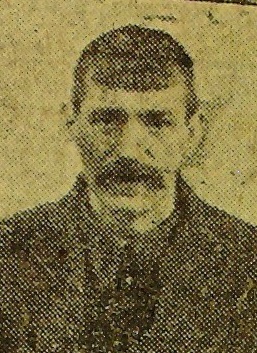 2nd Lancashire Fusiliers, 5225
Private John William Mcdonald of the 2nd Lancashire Fusiliers, son of James Mcdonald and Mary Elizabeth Mcdonald (nee McCann) of 21 Syke-street, Blackburn Lancashire, was killed on 23rd October 1916 at the Battle of Le Transloy, the final offensive mounted by the British Fourth Army during the 1916 Battle of the Somme.
Before enlisting, John, who was born in July 1881, worked at Livesey’s Green Bank Foundry. He married Bridget Mulcrone in 1906 and had a son James in 1912.
John had enlisted into the 2nd Battalion Lancashire Fusiliers in 1915, and joined them in France in early 1916. The Battalion was part of 4th Division, and saw action in Flanders before heading to the Somme region, where John took part in the Battle of Albert in July 1916. On October 1st, the Battle of Le Transloy began, with the Third and Fourth Armies seeking to seize the German Transloy Line, which ran from Le Transloy to Le Sars. Poor weather caused the battlefield to become very muddy and slowed British progress, but they were still able to capture Le Sars on October 7th. The British suffered many casualties and made no other progress.
Private John William Mcdonald is remembered on the Thiepval Memorial to the Missing on the Somme Pier and Face 3 C and 3 D, and has no known grave.
2nd/5th Battalion Lancashire Fusiliers, 3944 (7586)
Born in Blackburn, Robert left a widow, Agnes and two children, Robert and Terence.
Died 12th August, 1916 and has no known grave but Robert is commemorated at Thiepval, Panel 3D.
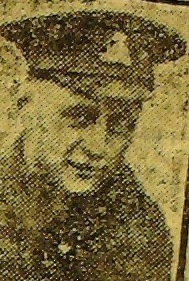 16th Lancashire Fusiliers, 33905
Private John James Mcmanus of the 16th Lancashire Fusiliers, 5 Smith-street, Blackburn Lancashire, was killed on 23rd November 1916, a few days after the Battle of Ancre. John, who was born in 1891, previously worked as a cab driver at Messrs Eastwoods before the war, and was married.
John enlisted into the 16th Battalion Lancashire Fusiliers, which were part of 32nd Division, in 1915. The Battalion had been formed by Montague Barlow MP to become the 2nd Salford Pals.
The 32nd Division was to attack Munich and Frankfort trenches, between Leave Avenue and Lager Alley. On the right the 97th Brigade advanced with all four battalions at 6:10 a.m., through sleet and the right-hand battalion was soon stopped by machine-gun fire. The right flank of the centre right battalion was also stopped but further left the advance reached Munich and Frankfort trenches, where the British were cut off and captured. Troops on the left were stopped at a strong-point in Munich Trench and held on in no-man's-land until dark. Further left the junction of Lager Alley was captured and down the hill, touch was gained with the 14th Brigade. Casualties in the 32nd Division from 18th–24th November, were 2,524, more than 50 percent being "missing".
Private John James Mcmanus is remembered on the Thiepval Memorial to the Missing on the Somme, Pier and Face 3 C and 3 D. He has no known grave.
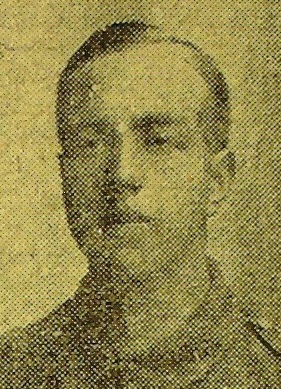 7th East Lancashire Regiment, 24848
1st Kings Royal Rifle Corps, R/7903
9th Loyal North Lancashire Regiment, 15785
Letter N
Nield Alfred | Noone Thomas | Norman Harry | Nuttall Wilson
Lance Corporal Alfred Nield
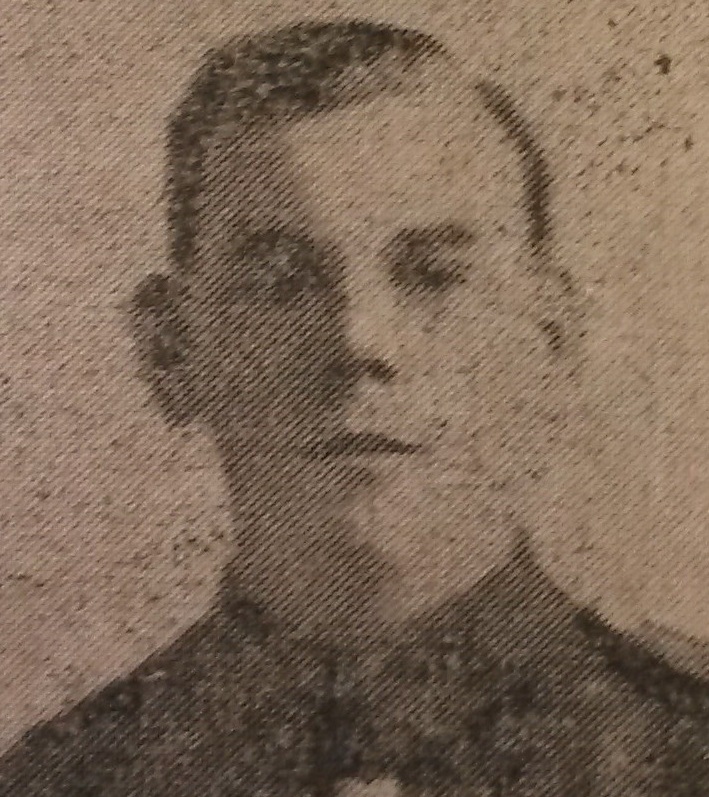 1st Royal Welsh Fusiliers, 4984
Private Thomas Noone
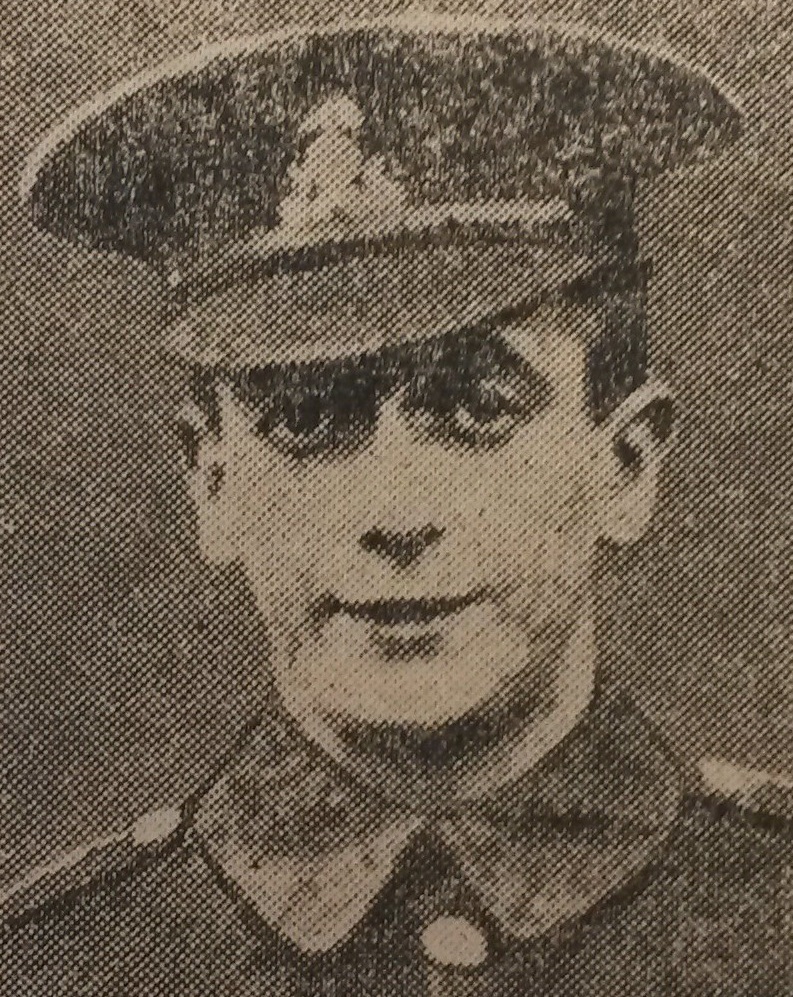 20th Lancashire Fusiliers, 29041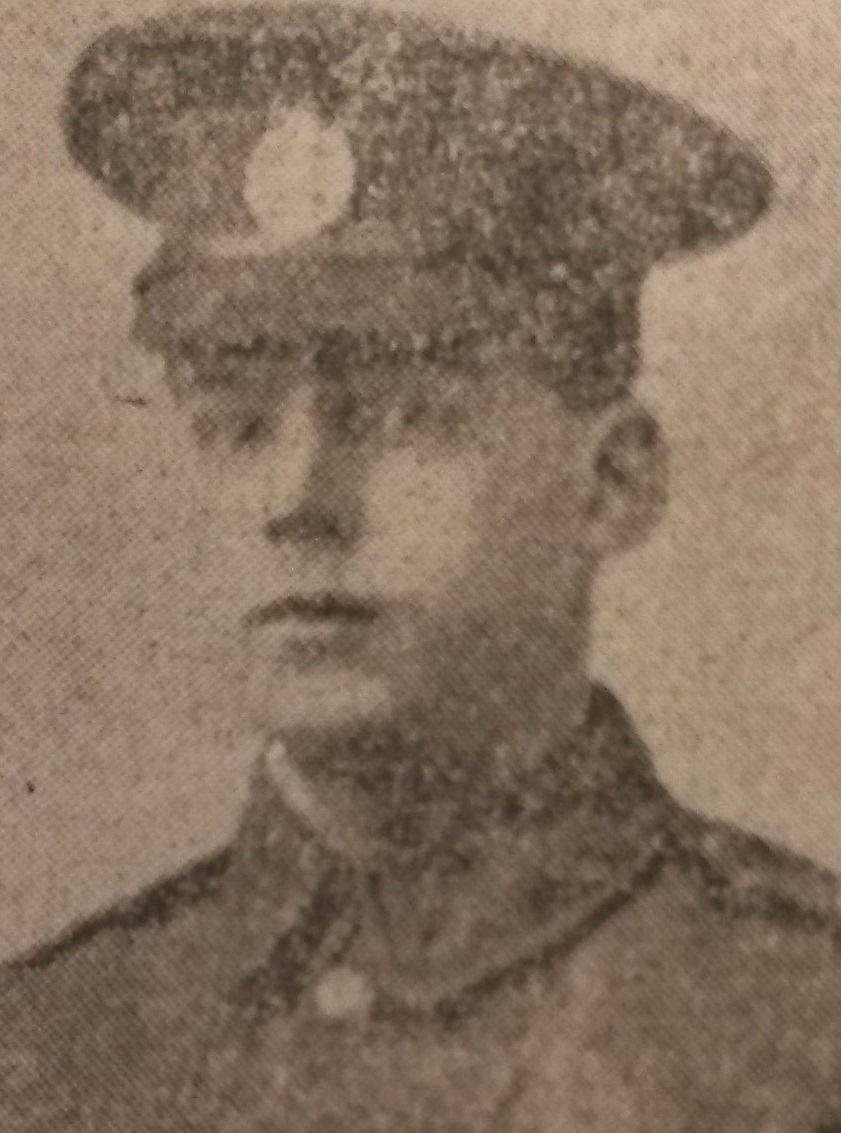
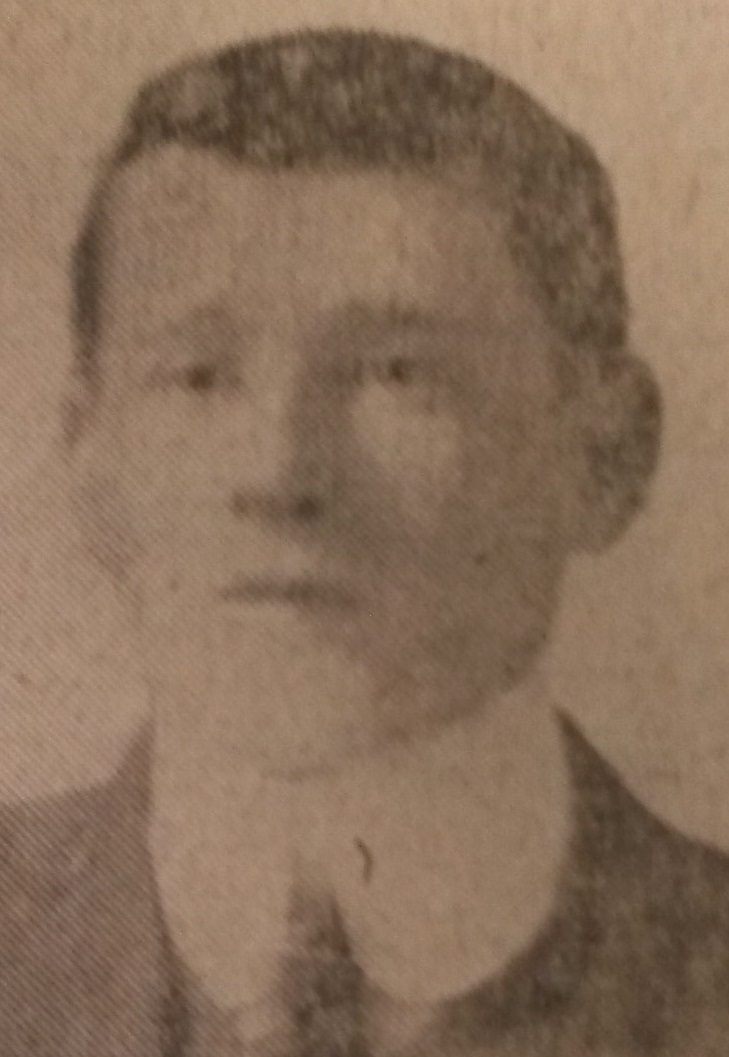 8th King’s Own Yorkshire Light Infantry, 3/2277
Letter O
O'conner Edward | Ogden Gillet Nicholas | Ogden William H | Ormerod John
Osbaldeston, Robert | Owen Robert
Private Edward O’Connor
8th East Lancashire Regiment, 16128
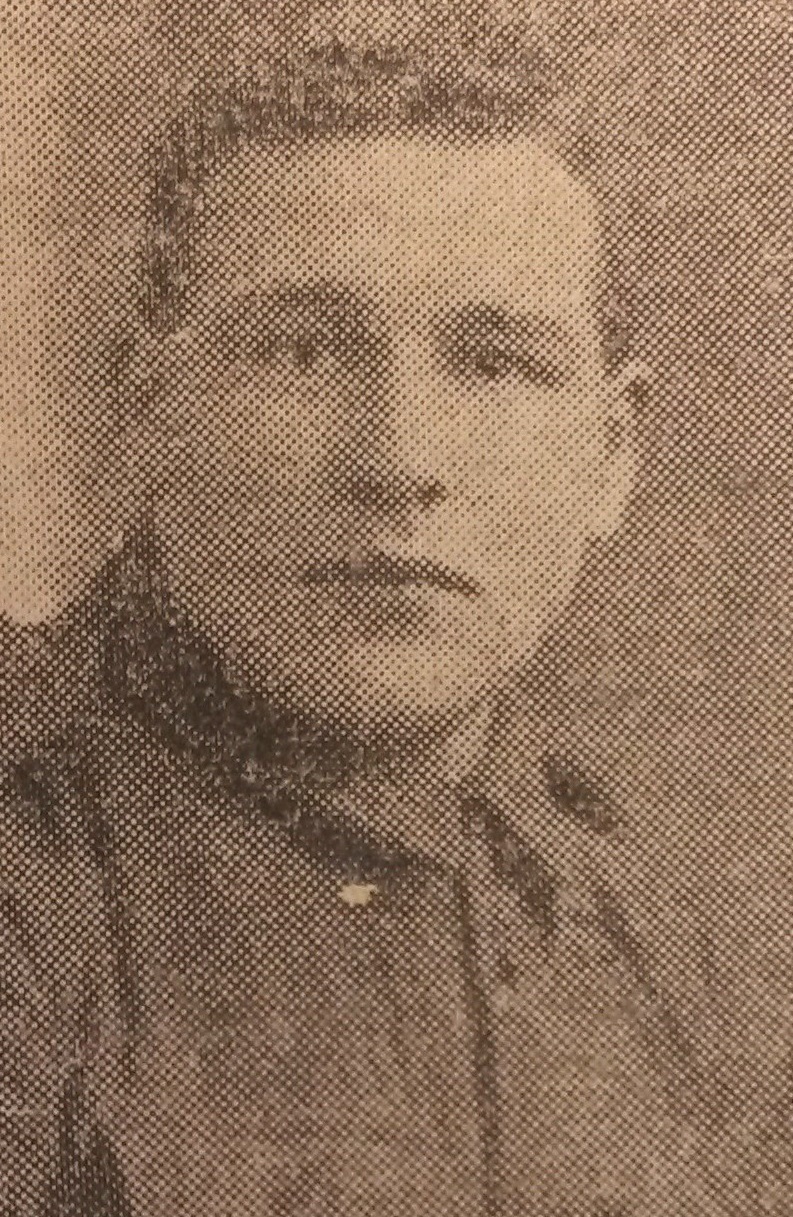 28th Company Machine Gun Corps, 10584
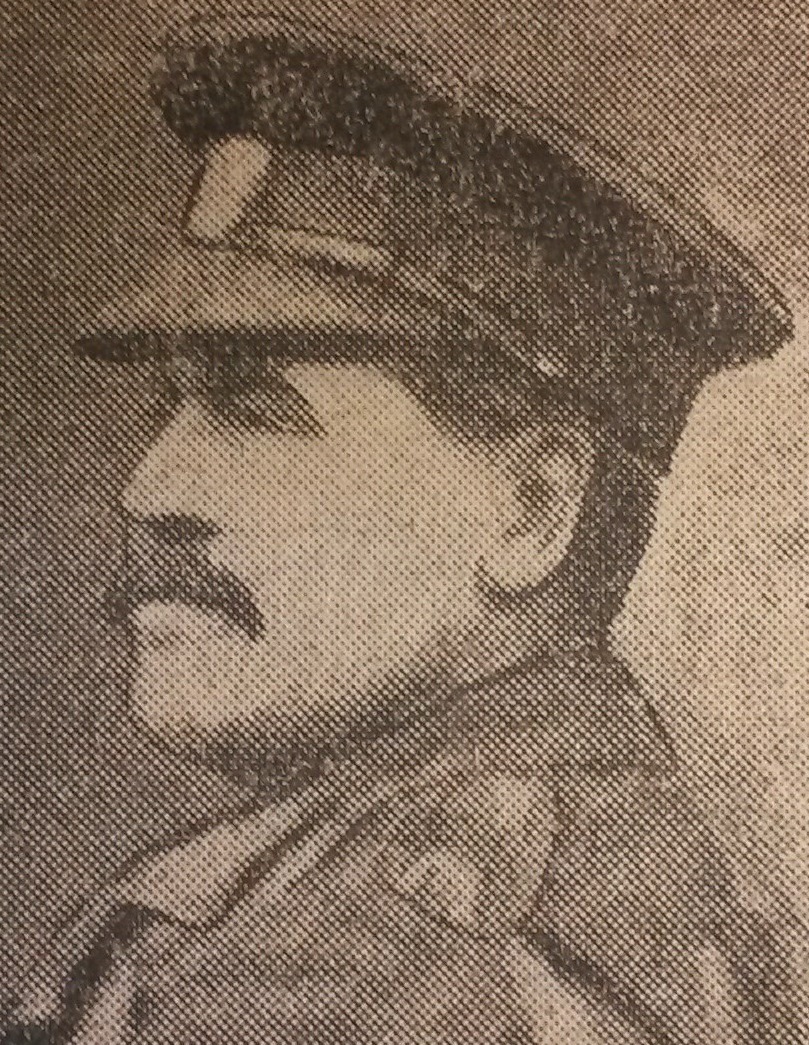 1st Royal Munster Rifles, 5887
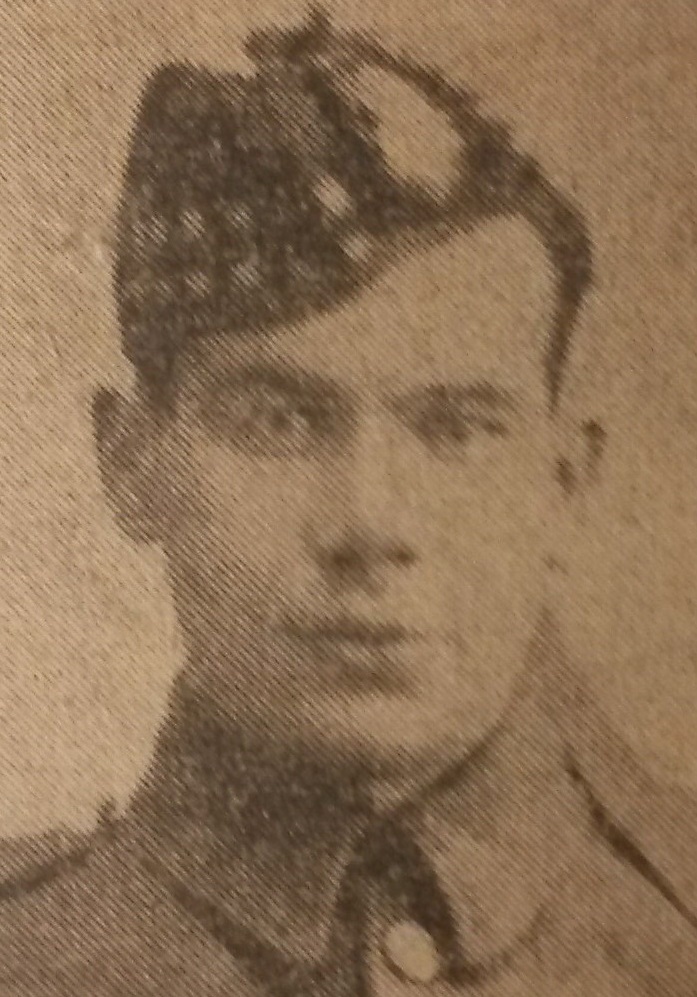 16th Highland Light Infantry, 18043
Private, 20720, The King's (Liverpool Regiment), 12th Bn.
October 3rd, 1916, 28 Years
Thiepval Memorial, Pier and Face 1D, 8B and 8.
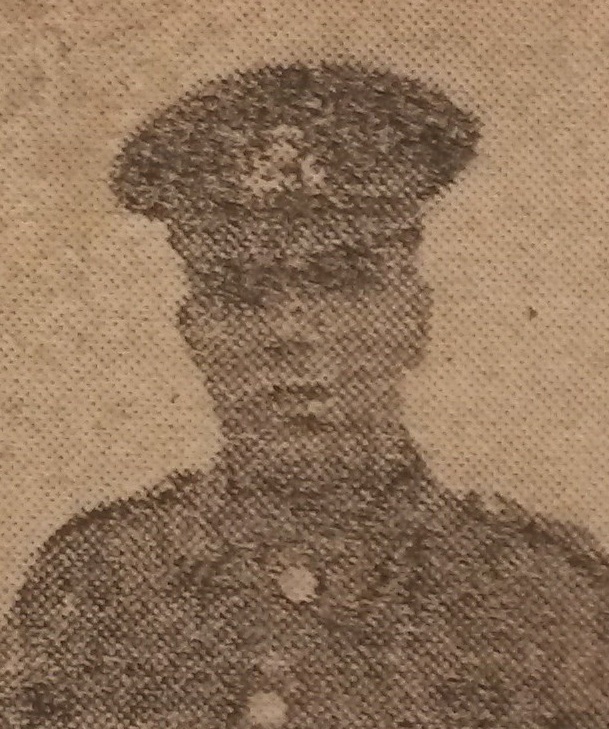 17th Lancashire Fusiliers, 14397