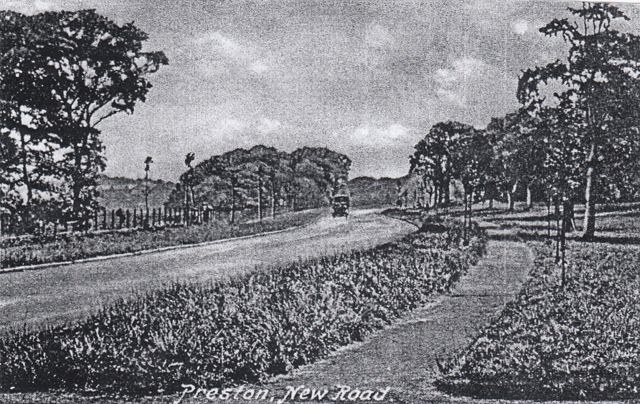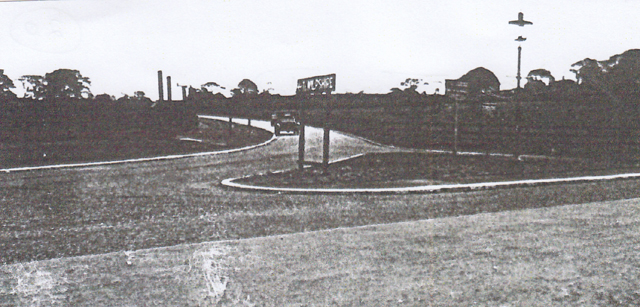
The junction formed by the orbital single carriageway and Preston New Road complete with sign to Wilpshire
Yew Tree Drive in the early days called Preston New Road! With the single carriageway and footpath
and fencing complete with an early 1920’s vehicle.
By 1956, Lammack Road had been upgraded and surfaced in tarmac as motor transport now dominated with many middle-class families now running their first cars.
A new and significant feature of the Lammack area by 1956 was the considerable amount of land, all former farmland, that had now been taken over for leisure pursuits by various organisations. This reflects the increasing demand from the new middle-class inhabitants for leisure activities as the working week had reduced thus allowing more free time and the fact schools now had to provide playing fields for their pupils as sports activities were deemed important. The earliest leisure development was in 1904 when Herbert Troop, a young brewer, started Blackburn Hockey Club on a field belonging to Lower Wilworth Farm behind the Hare and Hounds Inn where later the Old Blackburnian’s Football Club were based. The idea for a hockey club began during discussions Mr. Troop had with a group of young middle-class friends who played a little soccer but wanted to move to a more distinctive game. An early club captain was Alfred Livesey from a local firm of loom makers and a Miss Bailey who was the daughter of the Borough Treasurer. The Old Blackburnian’s’ Football club was formed in 1925 by old boys of Queen Elizabeth’s Grammar School, an off-shoot of the Old Blackburnian’s association which raised money for the grammar school. The football club that eventually became the “Old Blacks” originated from a meeting chaired by the school’s Headmaster – Arthur Holden at the Old Bull in Blackburn on the 7th. October 1919. However, a ground problem caused the club to close after two years but was the revived in 1925. It has grown over the last 97 years with the club having teams playing in the Lancs. Amateur League. Initially, it started with just one team playing in local fields including the one previously used by the Hockey club. The 1956 map shows a playing field behind Cunningham House probably belonging to Stoops Fold Farm which they probably used prior to the creation of the Memorial ground which was developed after the 2nd. World war for the 1st. team together with a secondary smaller pitch created in front of it close to the new club pavilion with changing rooms developed behind the Hare and Hounds Inn on land previously belonging to Lower Willow Trees Farm. The Old Blacks Football Club Chairman for 21 years, Ken Forbes, oversaw the opening of the Memorial Ground and new pavilion on Boxing Day, 1950, a day traditionally when there was a game against the school’s 1st X1.
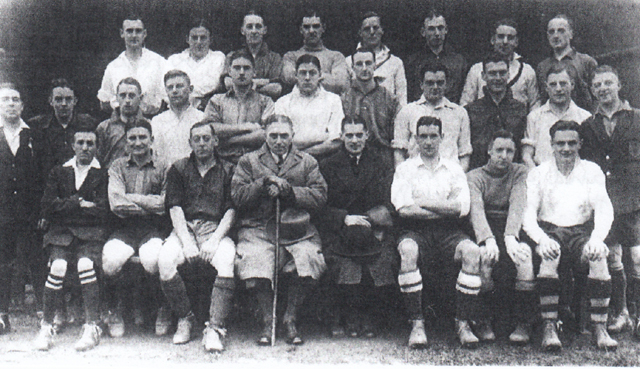
Old Blackburnian’s X1 in 1933
A picture of Old Blackburnian’s X1 in 1933 with their opponents W. T. Whewell's X1 (wearing white) at the Lammack ground on Boxing Day. On the front row, with a walking stick is the school headmaster, Arthur Holden, and, on his immediate left, Ken Forbes, the chairman of the Old Blackburnian’s Amateur Football Club. Prior to the development of the “Old Blacks”, Queen Elizabeth’s Grammar School acquired Harrison's playing fields at Lammack, in 1919, using £2000 bequeathed to them by the former chairman of the school’s governing body Alderman Henry Harrison. The playing fields officially opened on the 1st. July 1920 complete with a temporary pavilion in the form of a shelter hut! This now meant the school pupils had to track from West Park Road , up through Corporation Park to Revidge and over the tank and down past Cuckoo Hall to the new playing fields. As more pupils attended, the school the situation at Lammack with the small wooden hut became totally inadequate as it served as changing rooms, groundsman’s store and general bathroom! Improved washing facilities were urgently required as the playing fields were very muddy in winter as there was no hot water and only two taps in a single hand-basin and one to a foot bath which froze in winter. This led to chaos when 60-70 boys were trying to use the facilities especially when visiting teams came for matches. As a result, a new pavilion was suggested in planning during 1937 with dressing rooms, showers, a large communal bath, storeroom, staffroom and tea room for visitors and a kitchen. The pavilion would also have a heating system with constant hot water. The cost of building it was £3000 raised with the help from the school’s Old Boys Association and opened in 1941. The Harrison Playing Fields like the Old Blacks pitches were never the best, especially in winter, due to the underlying clay deposits creating very wet conditions and poor drainage described by the schools P.E. teachers as the “mud -heaps”, or, the sloping bog-land and were nicknamed the “Spud Pitches” because potatoes were planted there during the 2nd World War.
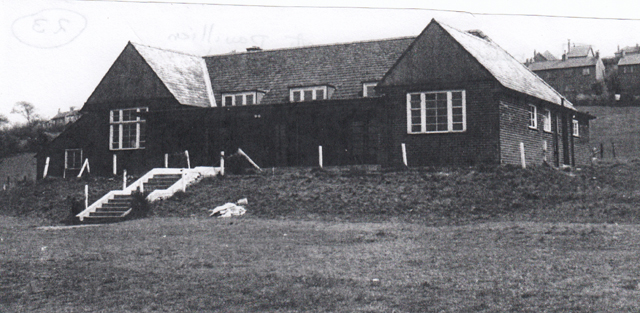
The new Q.E.G.S. sports pavilion opened in 1941 at Lammack
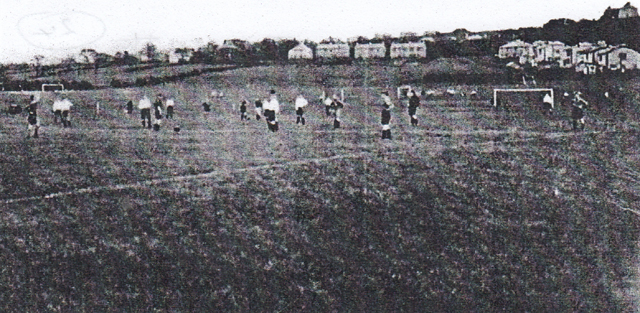 The Harrison Playing Fields in the 1930’s with Q.E.G.S. football teams in action.
In the background can be seen new semi-detached houses built alongside Lammack Road
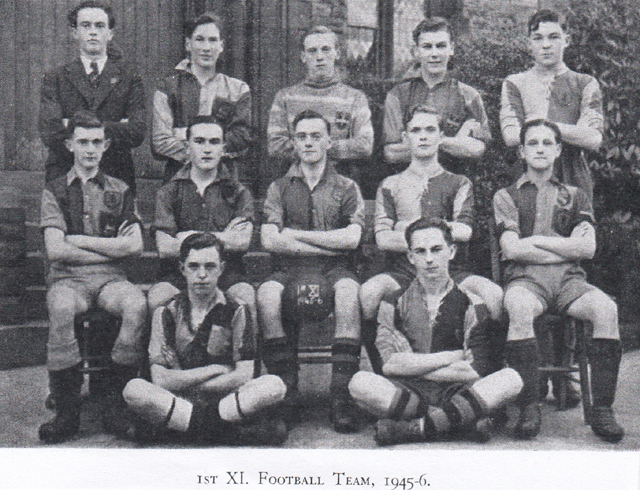
A picture of the Q.E.G.S. 1st XI Football Team in 1945/6
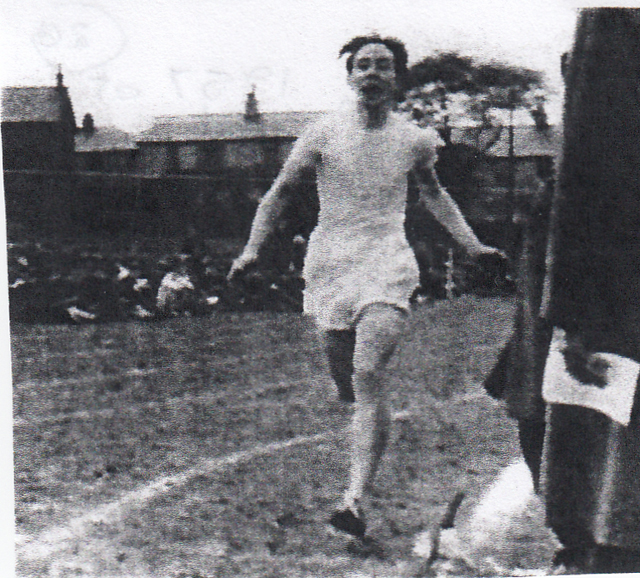 Q.E.G.S. Sports Day in 1957 on the Harrison Fields where ARTHUR SANDFORD
is shown breaking the school record for the 880 yards
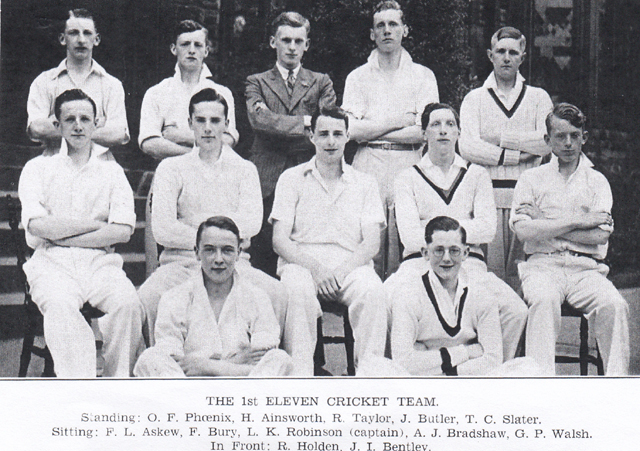
A picture of the Q.E.G.S. 1st XI Cricket Team in 1938
Also, partially covering the Lammack area was part of Blackburn Golf Club's course when it was extended to an 18 holes course. Originally formed in 1894 as 9 holes course, close to the first club house based at Revidge. The club was formed following a meeting at the Old Bull Hotel in Church Street, Blackburn and started with original yearly subscriptions of £2/2s with 70 members, and, soon after, admitted lady members who could play between Monday and Thursday. The part of the extended course lying within the Lammack area includes the 10th to the 14th holes and covers the lowest flattest part of the course. Another recreational facility built on the Lammack area border with Ramsgreave was Blackburn Rugby Club created on land behind the properties on Ramsgreave Drive where it was flat enough to create a series of pitches and a pavilion. The club was first founded on the 27th October, 1877, when the club captain was W.R.Haworth and they played their first game on the 3rd November, 1877 against Preston Rovers at Penwortham. Their 2nd game was against Clitheroe at Four Lane Ends behind the Hole-i’th-Wall public house probably where the Blackburn Olympic Football Club played their games. However, after five seasons, the club folded in 1882, then, reformed in January 1921 and played matches on the Yellowhills site at Pleasington with the teams changing in the barn of the Bay Horse Hotel, later to become the Clog and Billycock. The club eventually moved to their present site in 1934. The present, private club was formed in 1950 by three old boys of Sedbergh School in order to play an annual match at Sedbergh against the “Assassins” a team of boys, old boys and masters which continued for a number of years. The original club house was replaced with a new one in November 1964 at a cost of £20,000.
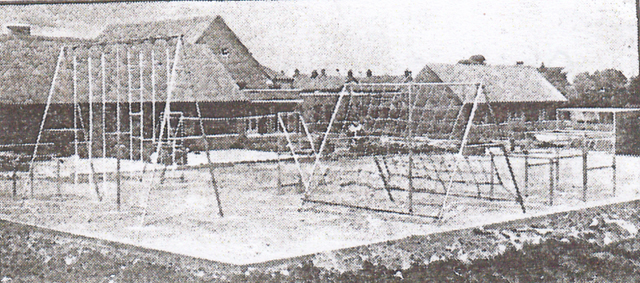
In May 1953, a new primary school opened its doors, called Lammack County Primary School, replacing the old school at Four Lane Ends and built on former farmland in lower Lammack area adjacent to Willow Trees Drive. It opened with 240 pupils and was much needed due to the continual growth of new housing in the area. Its light, airy, single storey building was designed by the Borough engineers and followed Government instructions that new schools had to adhere to, including meals served in the Assembly Hall. It had a well equipped kitchens and corridors which lead left and right to identical wings, each with three classrooms, cloakrooms and toilets. Extensive windows looked out onto external paved teaching terraces flanked with brick flower-boxed walls and main school doors closed automatically. As in other primary school classes at this time there were 40 pupils per class and a teacher. One of the outside play areas was fitted with modern gymnasium equipment rigged with ropes and nets. An additional external grass area was also available for outdoor sports, especially football. This new school was way ahead of the old one at Four Lane Ends where even with three additional wooden huts was too small and older boys had to be moved as a class in a building a mile away.
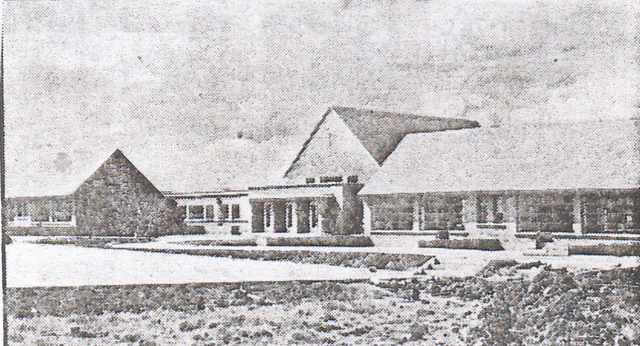
The new Lammack Primary School frontage also showing the terrace and play area
Another view of the outdoor play areas with the latest gym equipment rigged with ropes.
By 1953, there were plans to use the old Four Lane Ends School as one for children with special needs to save some local schools from having to organise special classes. It was proposed to start with 60 children, aged between 7 years and 8 years old, and then work up to 100, initially, all coming from the Blackburn area.
The old former Four Lane Ends School now used for Special Needs children from local Primary Schools
AN ORDNANCE SURVEY MAP OF THE PLECKGATE AREA IN 1956
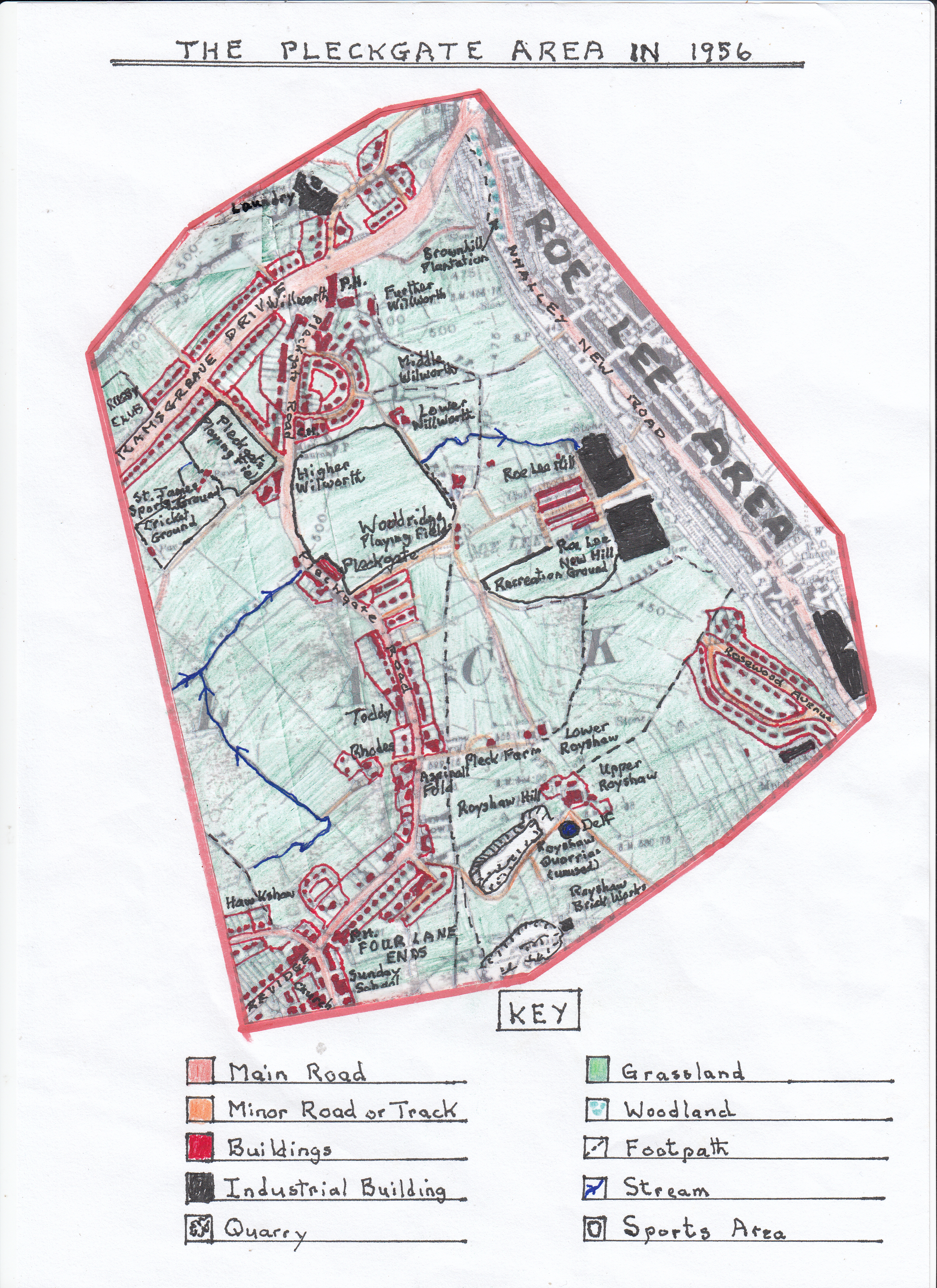
As in the Lammack area there were major developments in Pleckgate between 1894 to 1956, especially with the large increase in housing and leisure facilities caused by the same reasons as in Lammack. Again, most of the new housing developments followed a linear pattern particularly the in-filling of land alongside the new orbital by-pass road, namely the Ramsgreave Road section, and also, Pleckgate Road which by now was officially named Pleckgate Road. The new housing was mostly developed in the 1920’s and 30’s during the inter war years but with more recent developments, post Second World War, forming the first estates. The new housing stock was largely made up of semi-detached houses and bungalows both detached and semi-detached with a few additional detached houses.
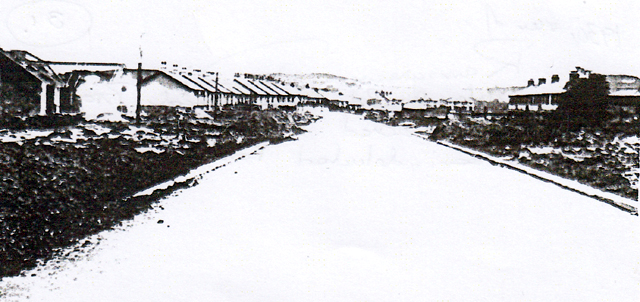
Ramsgreave Drive looking towards Brownhill with new detached bungalows
to the left and new semi-detached houses to the right
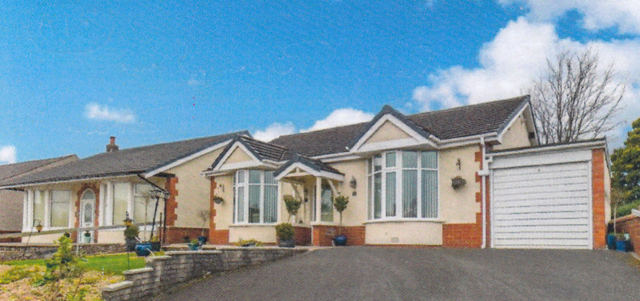
A closer view of the new detached bungalows sited on Ramsgreave Drive.
The largest increase in housing can be seen on the lower flatter area of Pleckgate Road towards its junction with Ramsgreave Drive, including the new Wilworth Crescent, and other new housing could be found on either side of the upper section of Pleckgate Road on sloping land. In post Second World War times, a new council estate had been developed off Whalley New Road, round Rosewood Avenue, as post war demolition of many old terraced houses in inner Blackburn created a huge re-housing programme on green field sites on the outskirts of Blackburn including these and those on the Brownhill and Shadsworth estates.
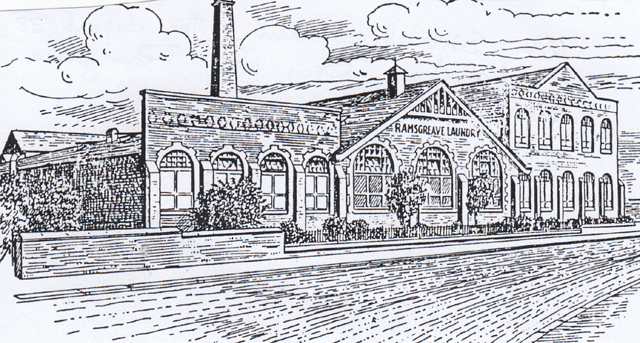
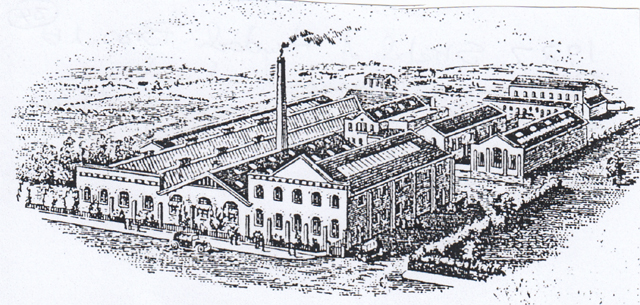
On the transport side, as in Lammack, the roads, especially Pleckgate Road, had been upgraded and were recognised in local telephone and trade directories as road transport was now the dominant force for public and industrial use. Industry in the Pleckgate area had grown considerably both with Roe Lee textile mill and a Laundry business at Ramsgreave. Roe Lee Mill now had an additional New Mill which was constructed in the 1905/6 period by Duckworth and Eddleston when textiles were expanding with the help from William Birtwistle and had 828 weaving looms eventually. The mill was run in conjunction with the older mill and in 1930, John Duckworth and Sons operated the two sites creating mostly damasks, brocades and quality jacquard weaving until Viyella International took over control in 1964. Another industrial development was Ramsgreave Steam Laundry built in 1904 by ELi Haydock and his sons Edwin and James. James Haydock was formerly involved in textile manufacturing of heald and reeds but later helped set up the Laundry. It later became Haydock Brothers Ltd. and, in 1954, also started to dye tufted carpets and bedspreads which eventually became a separate company called Haydock Dryers Ltd. Much of the laundry's original equipment was manufactured by Cherry Tree Machine Company and operated by steam power including hydro-extractors drying ranges and commercial irons. The laundry was a single storey building with a two storey block added later, all brick built, with large, round headed windows with a brick built range of single storey dye houses behind.
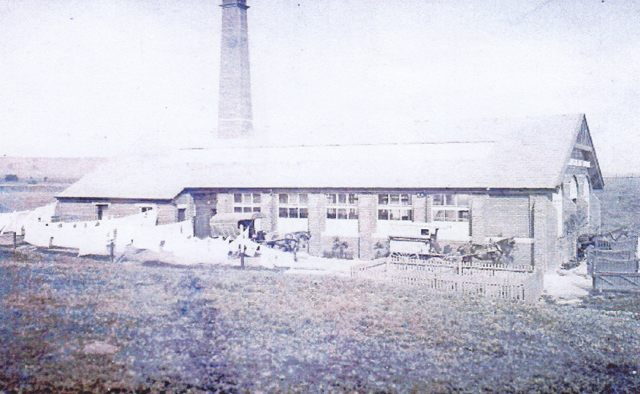
Steam Laundry on lower Pleckgate Road
The original Steam Laundry, in the early 1900s, was set up on lower Pleckgate Road, Ramsgreave. Horse transport was the order of the day for carrying laundry. The laundry above can be seen on lines drying outside the works with the mill chimney behind.
This 1924 sketch shows the detail of the Haydock Brothers Laundry frontage at the Ramsgreave site
The above 1927 sketch of the Haydock Brothers Ramsgreave laundry and its full complement of buildings was advertising the company as dyers, dry cleaners and laundrymen equipped with model plant that could also create pleats in material.
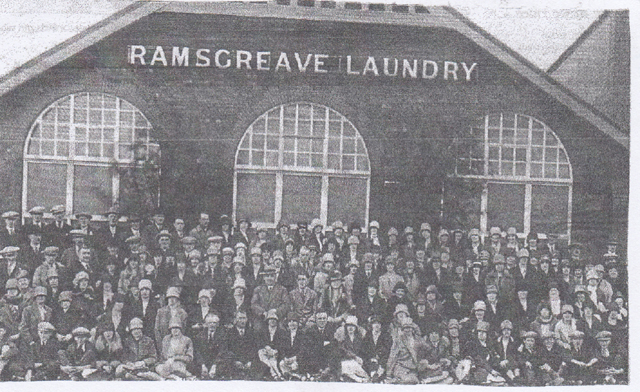
A 1928 photograph of Ramsgreave Laundry workforce
The photograph shows, James Haydock, the founder of the laundry, in the middle of the second row from the front wearing a hat sat next to his step son, also called James Haydock, who isn't wearing a hat.
At this time, Royshaw Brick Works, was still in operation by the quarries, and, by now, considerable areas of the quarries were unused and one small quarry a delf was renamed Tom Crooks Delf, after its owners name, which, by now, had been infilled with water to create a large pond. The delf became a health hazard with children playing near it and the odd accident and a suicide.
Following the trend displayed in the Lammack area for more leisure space to pursue leisure activities, mostly traditional sports, a former large field at Higher Wilworth was taken over by the council and named after Mr. Woodridge, a long standing council worker to create the Woodridge Playing Fields, used by local league clubs for football and cricket, then by local Primary Schools when more fully developed in the 1960s The fields were used at one time by Blackburn College students for outdoor sports, and, when re-developed, had full size football pitches and mini-pitches for juniors. Another recreation ground was created alongside Roe Lee Mill to provide facilities for its workers. Land off lower Pleckgate Road between it and Ramsgreave Drive had also been developed by both St. James Church and the council. One section, purchased by the Church, who donated it for a sports ground was developed into a cricket ground for the Church's cricket team; this ground was later taken over by a private club namely Blackburn Northern Cricket Club. Another section was developed by Blackburn Borough to provide another football pitch adjacent to Ramsgreave Avenue which was also used by Junior School pupils. On land across from this pitch, fronting Pleckgate Road, where later, Pleckgate School was built, trials were held in 1964 by the Civil Defence for an emergency feeding exercise complete with temporary brick built ovens in case of a future crisis.
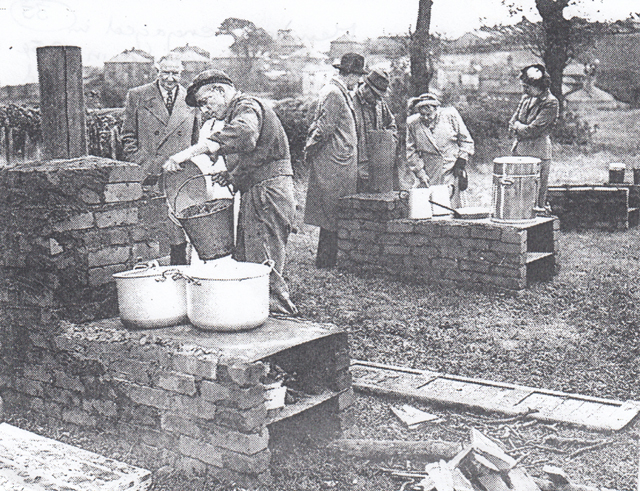
Civil defence members engage in an emergency feeding exercise in 1954.
During the period from 1894 a new Methodist chapel had been erected at Four Lane Ends to serve the growing population in the area. Previously, in 1881, Four Lane Ends Independent Sunday School was built opposite the site of the new church and would have also been used as an early church (see the site on the map). At a later date, this building was taken over by Turners Blinds, and, more recently, a car sales company.
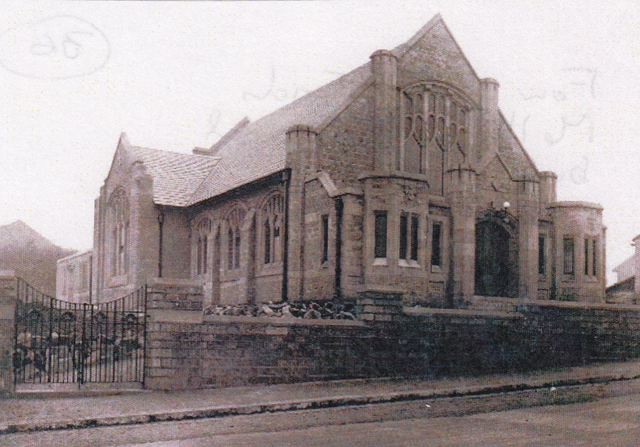
A view of Four Lane Ends Methodist Chapel built in 1900 with stone facing and an ornate frontage.
By 1956, St. Chads still served the Pleckgate area as a Junior School, but, by now, the new Lammack and Roe Lee Schools were available to also serve the area's needs.
Due to the many new housing, transport and recreational developments in the area the amount of farmland had greatly reduced; farms were demolished or turned into purely residential properties. As a result, there was far less productive land and some open areas were now left unused. Royshaw farm was just one of those demolished, sited overlooking Tom Crooks Delf and close to where the original lane linked Pleckgate Road with St. James Road. It was demolished in the1930's and its rubble was removed from the site and taken to the site of Salmesbury Aerodrome which was being constructed. Another building that was demolished was Brook Farm sited behind Ramsgreave Laundry when the Shorrock family who owned it gave permission for the building of four semi-detached houses to be built on their land going towards Brownhill Cottage.
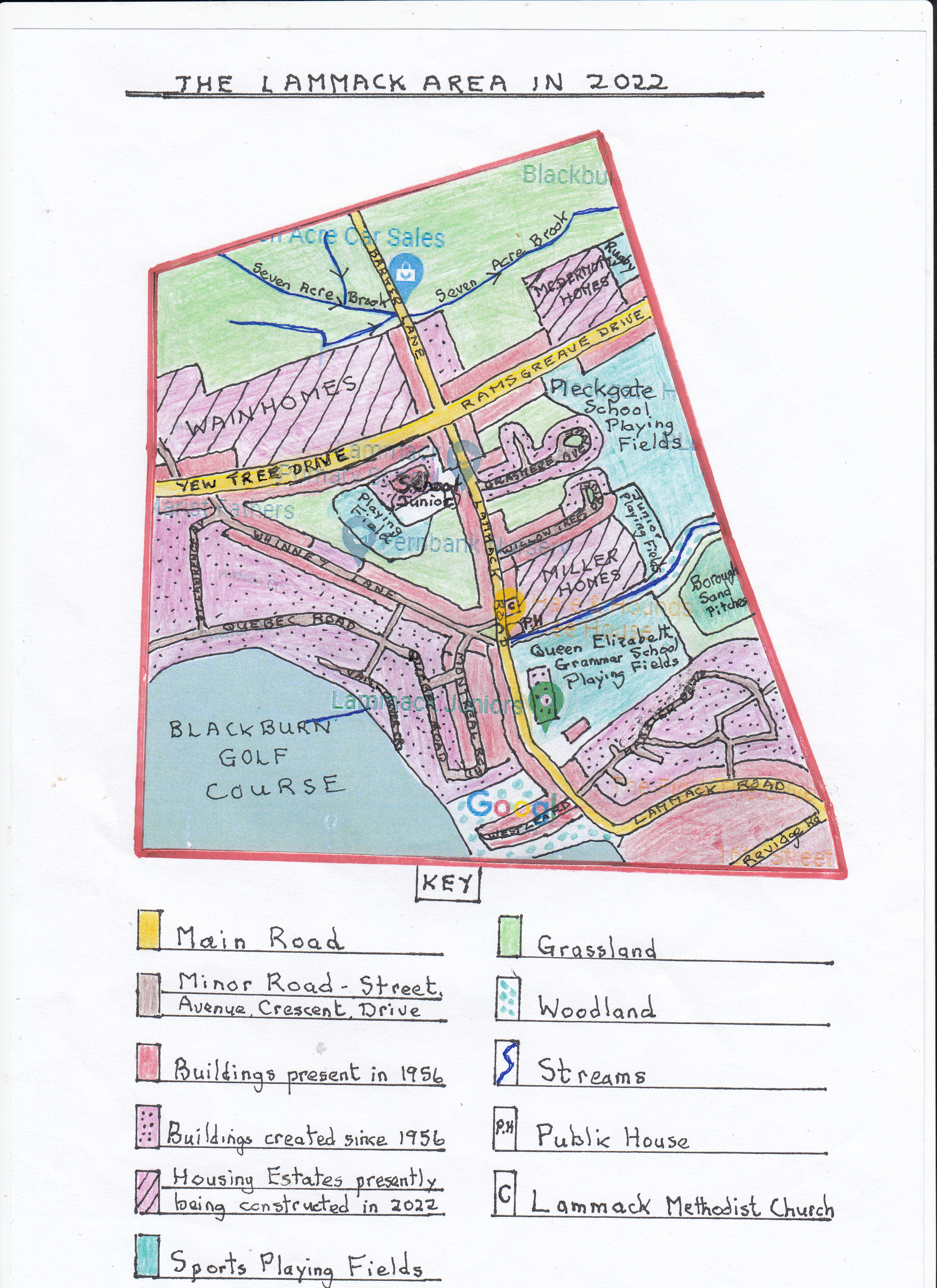
AN ORDNANCE SURVEY MAP OF THE LAMMACK AREA IN 2022
Over the last sixty-six years the Lammack area has gone through its largest ever transformation, and, apart from the upper parts of Ramsgreave, has become a built up suburb of Blackburn almost completely consisting of private homes with open spaces almost solely devoted to leisure pursuits. The building spree is currently being massively increased with three new housing estates under construction with the largest being Wainhome's “ The Hedgerows" off Yew Tree Drive, stretching from Barker Lane to Whinney Lane in lower Ramsgreave, consisting mostly of detached modern houses. A smaller more select development by McDERMOTT HOMES called “Highgate" off Ramsgreave Drive consists of exclusive detached houses again on lower Ramsgreave and overlooking Blackburn Rugby Club pitches. The final medium sized estate is by MILLER HOMES built on the former Old Blacks Football Ground behind the Hare and Hounds Public House and Lammack Methodist Church.
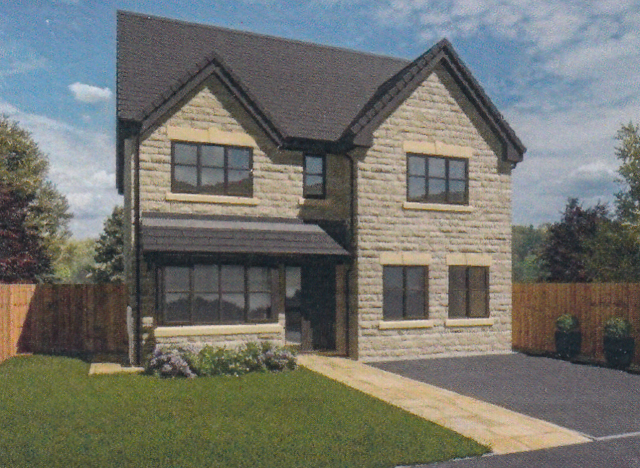
Modern exclusive detached property on the “Highgate" estate
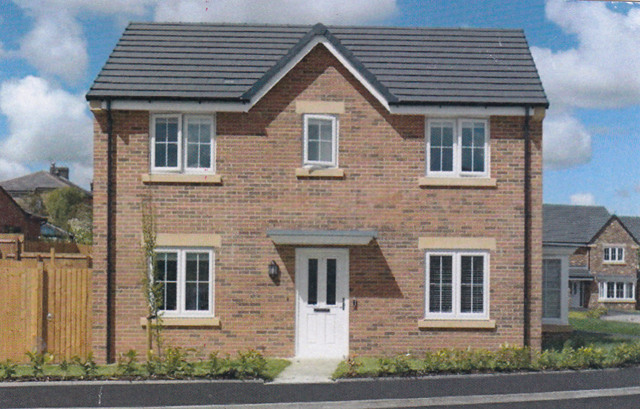
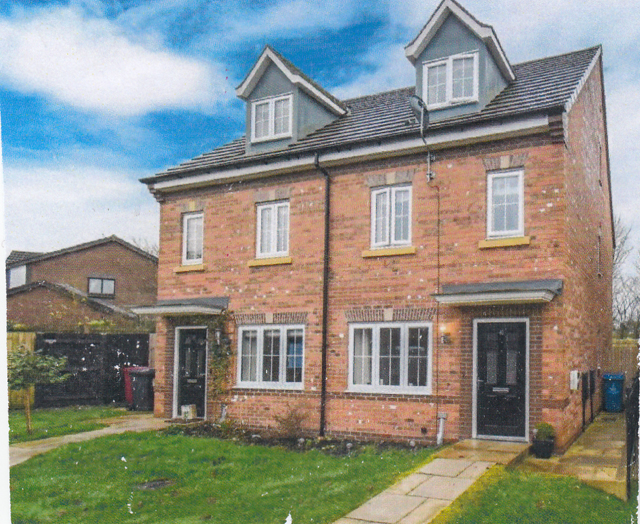
A typical detached and semi-detached property located on the Miller Home development
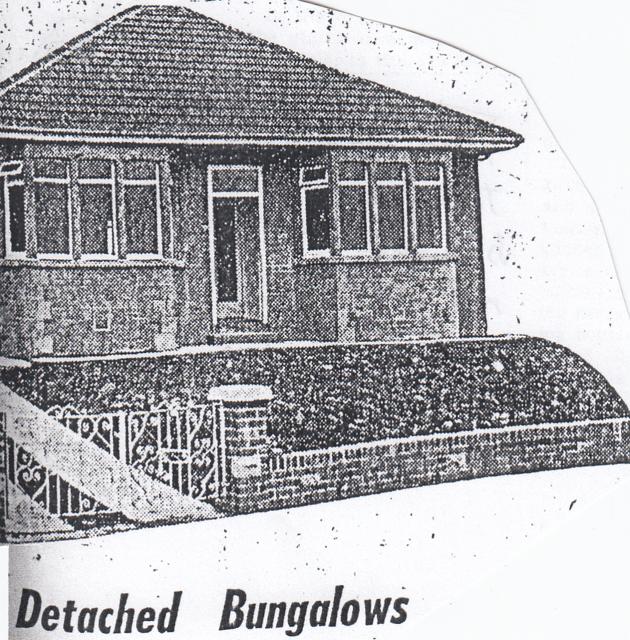
Prior to these latest developments, the large Lammack Estate of mixed housing was created in the late 1950s and early 1960s, off the existing Montreal Road stretching from Whinney Lane to Yew Tree Drive and bordering the lower end of Blackburn Golf Club. It consisted of 200 brick built homes covering land previously part of the Higher Barnes farmland with mostly semi-detached houses and detached bungalows with the odd detached house as part of the biggest private house building project in Blackburn since 1939, all with gardens front and back and garages.
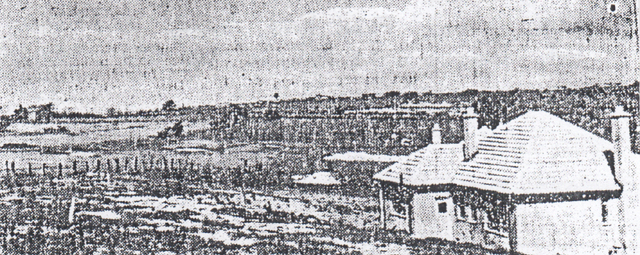
Higher Barn farmland being developed into the Lammack estate in the late 1950's
A new feature was that all the new houses/bungalows came with fully fitted kitchens which were light and airy with the only difference between homes being the sizes of lounge and dining rooms. Additionally, all the homes came with gardens front and rear with a space for a garage and driveway. Once completed with its connecting roads it has since been added to and now connects to the Beardwood estate running from Preston New road which consists of much more varied, mostly detached properties.

This image shows an advert for the Lammack Estate at the time of construction
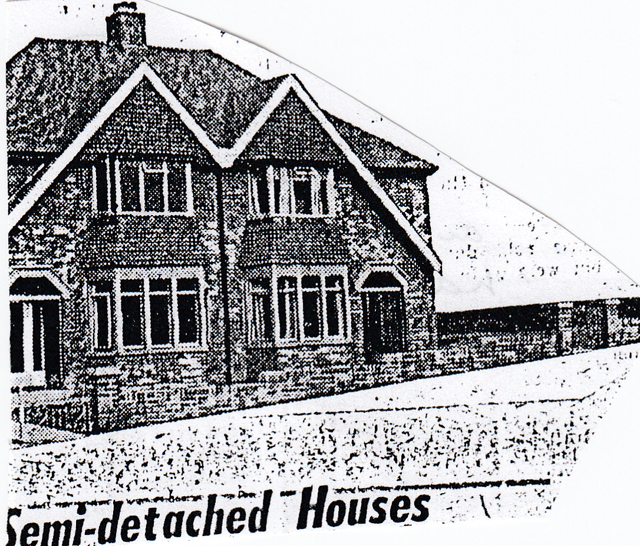
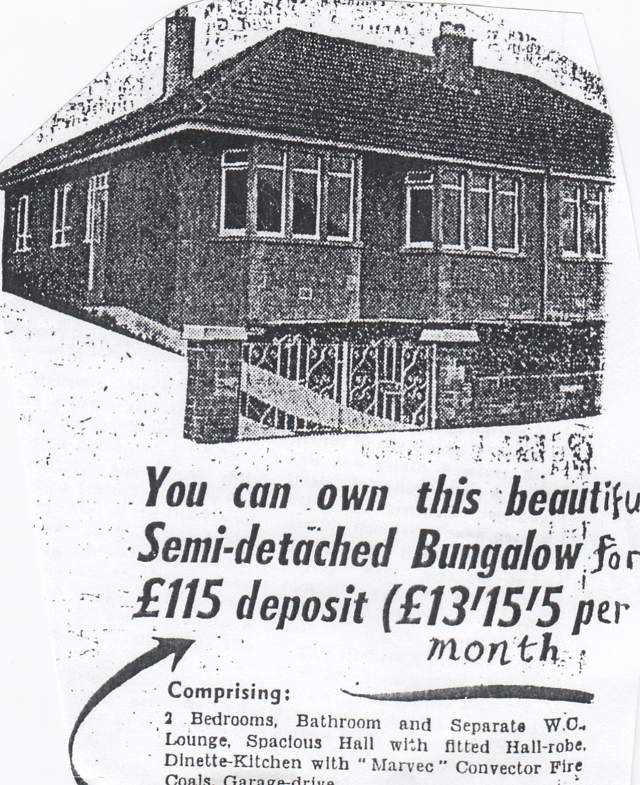
two adverts for the estate's new semi-detached Houses
Another housing development in the Lammack area during the 1970s/80s was the 115 home Hawkshaw Bank Housing Estate off the top end of Lammack Road which included mixed housing types, built of brick, with a few apartments all with gardens and garages overlooking Queen Elizabeth's Grammar School playing fields.
A picture of a detached property on Falcon Close in the Hawkshaw Bank estate
In earlier times, during the late 1950s/60s, other housing developments in the area included the completion of Willow Trees Drive with added bungalows and the completion of Grasmere Avenue, on a similar design, off Lammack Road opposite Lammack School, mostly consisting of bungalows on land previously part of Cunningham House. Again, in the 1980s, more new detached houses were built opposite Seven Acre original stone cottages on Barker lane to complete the areas built-up pattern.
Other than new housing developments, Lammack School has had to be enlarged with a new wing added to encompass infants with further added classrooms due to the increased population in the area.
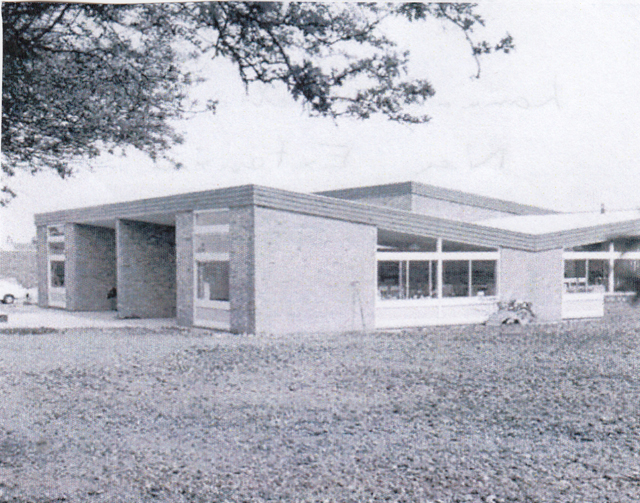
The new extension to Lammack Primary School
Recently, it has been announced that the school will be having 10 mobile classrooms added to the site to cater for the increased demand from the new housing estates being built in both the Lammack and Pleckgate areas. Another new development since 1956 has been the building of Lammack Methodist Church on Lammack Road close to the Hare and Hounds public house. This originated in the 1950s when the Clayton Street Methodist Circuit looked into developing the Methodist cause in the Lammack area. A Sunday school was first opened in 1952, and, soon after, a service for adults on Sunday evenings using the Old Blacks Football Club pavilion, then Lammack School's main hall to meet the growing need in the area. Following this, appeals in the late 1950s for funding raised £2000 towards the £12000 projected cost of a new church. The church was first opened in 1960 and steadily grew as a neighbourhood church, involving youth activities and recreational courses but, it soon became clear, the premises were inadequate and plans were drawn up to enlarge and enhance the existing facilities. Local enquires revealed widespread wishes for youth activities including both cubs and scout groups. Eventually, the funds were raised to complete the transformation with the opening of a new £155,000 extension.
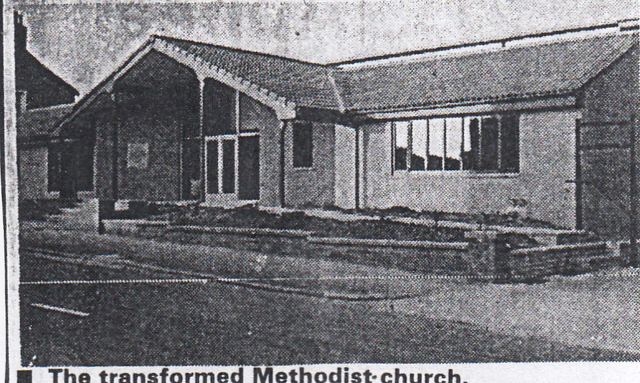
The new Lammack Methodist Church extension on Lammack Road
Another new church building development had occurred at Four Lane Ends as the existing chapel had undergone a huge transformation with a large new extension dating from the 1980s, including a purpose built hall, kitchen and function room and now went under the name of Revidge Fold United Reform Church.
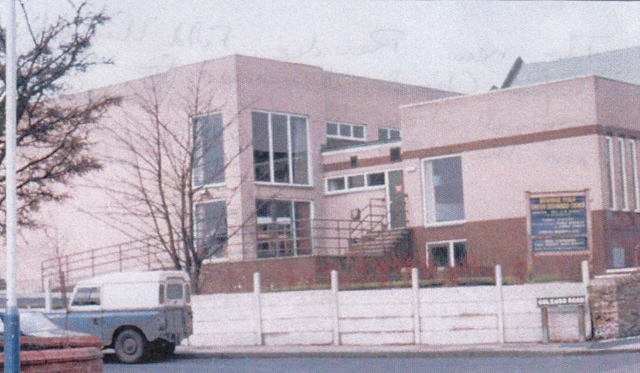
The new extensions to Revidge Fold United Reform Church completed in the 1980's
On the leisure side, Blackburn Rugby Club had replaced their old clubhouse with a new one which opened in 1964 and looked out onto the pitches with extensive windows.
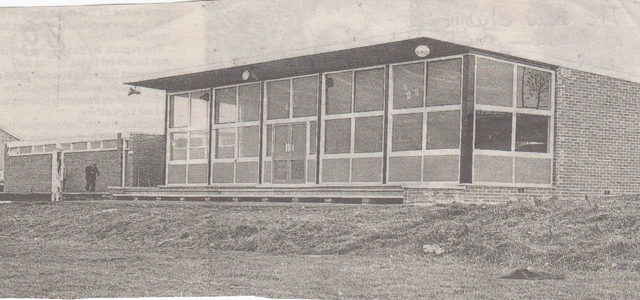
A front view of the new Blackburn Rugby Club clubhouse
Queen Elizabeth's Grammar School sports pitches have had to be upgraded on a number of occasions since 1956 to help improve the drainage due to the clay sub-structure. More recently, in September 1989, a large new Sports Hall was built close to Lammack Road after a seven year planning wrangle with local neighbours on Lammack Road at a cost of £400,000, funded from an appeal and the Old Blackburnian's Association. This provided much needed indoor sports facilities for when the weather was inclement. The Old Black's Football Club continued, until recently, fielding up to four teams in the Lancashire Amateur League and on part of the land owned by Blackburn Borough between their pitches and those of Pleckgate School, Lammack Juniors Football Club was established by leasing the land and creating junior pitches. However, in recent times, the Old Blackburnian's Association who own the Old Black's land decided to sell it to raise capital for the school's needs to a housing developer, therefore, the old Blacks teams now play on the Grammar School's pitches and use their changing facilities whilst using the Hare and Hounds Public House as a clubhouse.
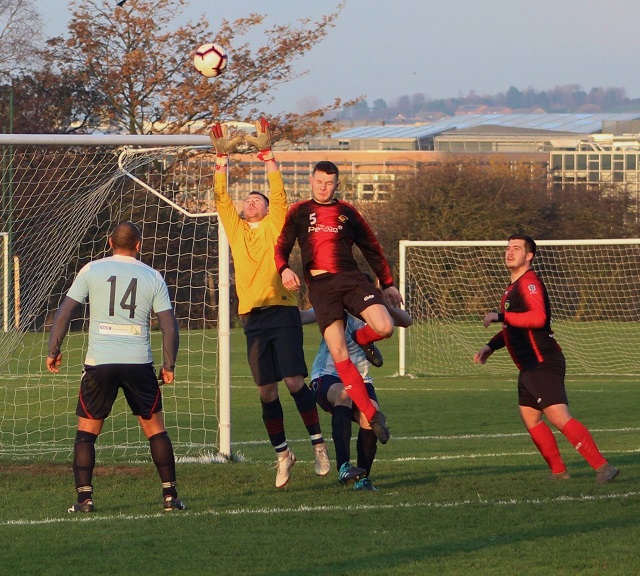
One of the Old Blacks football teams playing a game on the original first team pitch
before it was sold for housing with Pleckgate School in the background
Blackburn Borough developed farmland behind Grasmere Avenue and Willow Trees Drive when Pleckgate School was built in 1968 and created playing fields for football, hockey and cricket and also built sand football pitches across the stream for local league football use and for Pleckgate School when its pitches were waterlogged.
The former Four Lane Ends Primary School building has seen a number of changes having been used for a Further Education School for Domestic Science with both day and evening classes for women and girls over 15 years. Later, it was used for a variety of Evening Classes for the local population, run by the Local Authority, and was used as an overspill site for Pleckgate school classes and girls over 15 years for a time before it was eventually demolished. The site is now a small gated private housing development.
The only remaining farmland left in the Lammack is in the Ramsgreave area behind the new housing developments and existing rugby sports facilities.
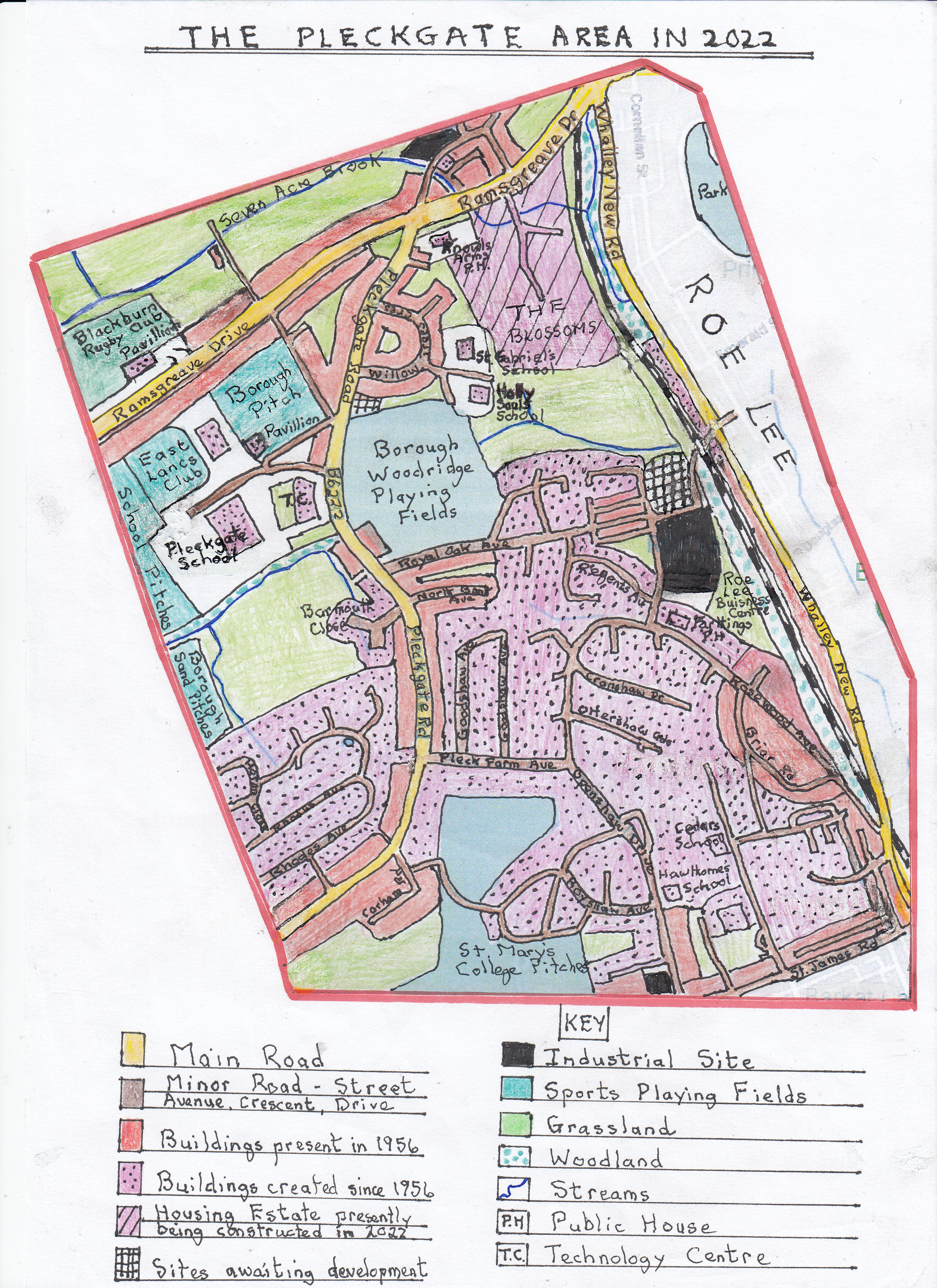
AN ORDNANCE SURVEY MAP OF THE PLECKGATE AREA IN 2022
As in the Lammack area, Pleckgate has also seen huge developments over the last sixty-six years, with massive increases in its housing stock especially of the upper parts of Pleckgate Road. However, most of the new housing developments have occurred in the period 1980s – 2000s with only one current housing estate being developed by Persimmon Housing called “The Blossoms”. This development is on land to the rear of The Knowles Public House and Ramsgreave Drive from which there is access and along the side of the railway. It will consist, when finished, of a mixed development of modern town houses, semi-detached and detached houses.
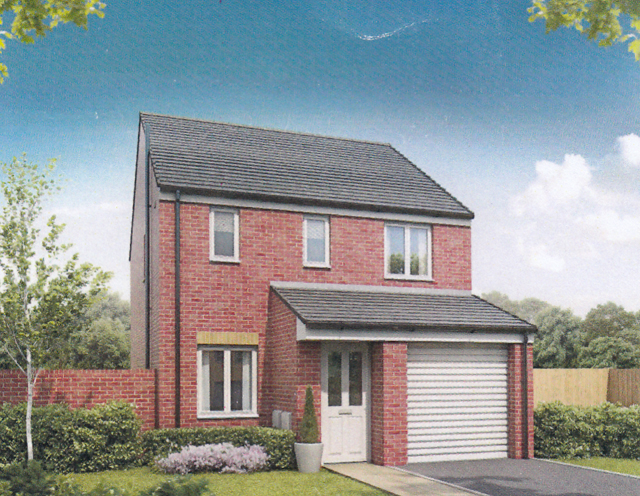
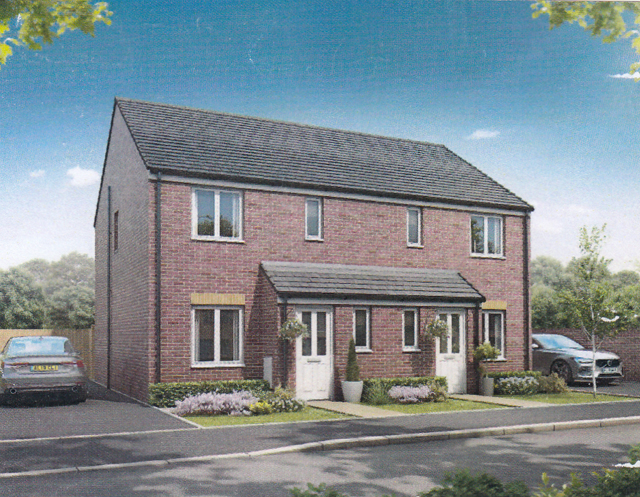
An example of new detached and semi-detached properties on The Blossoms Estate
Other major developments of housing estates include the Rhodes Avenue development created in the 1980s that spread out to meet the Lammack Hawkshead Estate consisting mostly of semi-detached housing. An additional, smaller development by Faircloughs Houses below Rhodes Avenue, again off Pleckgate Road, was the Swallowfields Estate whose show house was a large thatched roof detached house valued in 1970 at £200,000 offering a wide range of facilities and a large garden.
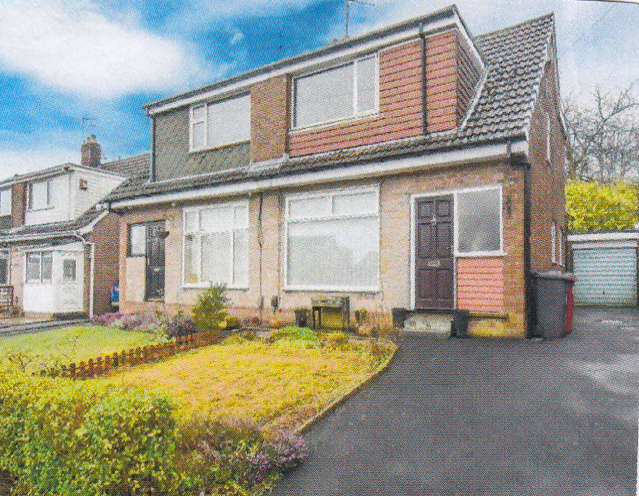
A view of semi-detached property on Rhodes Avenue
A picture showing the Swallowfields Estate show house
Further down Pleckgate Road there was a small housing development created round Barnmouth Close consisting mostly of bungalows. On the other side of Pleckgate Road, the Pleck Farm Avenue and Rosewood Avenue Estates developed and merged creating a huge development of mixed housing including detached, semi-detached, bungalows and town houses created in the period
1970-1990.
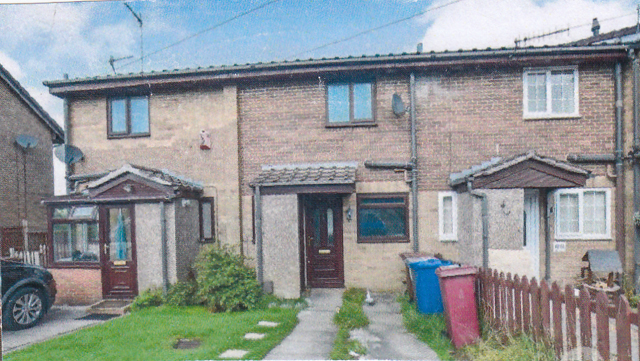
The Pleck Farm Estate showing town houses on Cranshaw Drive
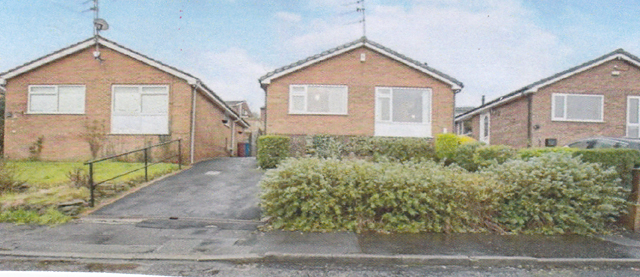
Another view in Pleck Farm Estate of detached bungalows on Pleck Farm Avenue
At the upper end of Openshaw Drive another housing estate phase although smaller was developed round Royshaw Avenue. Other housing developments occurred out from St James's Road merged into these estates together with another development between the Woodridge Playing Fields off Royal Oak Avenue and the nearest estate. The area has presently two undeveloped areas which await development including the open site where the original Roe Lee Mill was sited before it was demolished and the St. Chads Church site where the church is in the process of being demolished. The site of the church was acquired by Adam Country Homes Ltd with a scheme to build seven new homes on the site in 2018 but is still awaiting development. For a number of years, the church was used by Pleckgate School as an extra teaching area and then for a business supplying fancy goods to local shops.
Since 1956, Ramsgreave Drive has been significantly upgraded as a dual carriageway, linking Whitebirk and the M65 to
Preston New Road. As in Lammack, due to the huge building programme since the 1950s, the only farmland left in the area was beyond Ramsgreave Drive.
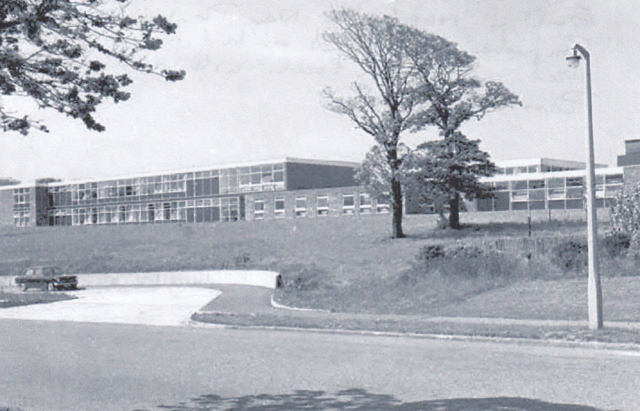
Another major development in the Pleckgate area was the building of five new schools following the 1966 Borough Education Plan. Firstly, this established the need for new Comprehensive Schools after the abolition of the old 11+ examination and selected secondary modern, technical and grammar schools. One of the new comprehensive schools to be built outside central Blackburn on more green-field sites was Pleckgate School which replaced Blakey Moor Girls High School and Bangor Street Boys School. The School was situated on land previously used for playing fields. The new co-educational school was opened by Alderman Renshaw in 1968 with all the latest facilities for pupils of all abilities and included a sports hall, a large assembly/dining hall, a dedicated 4th/5th year centre for older pupils, accommodation for adult students for evening classes and excellent playing fields and playgrounds for 660 pupils. Plans were also in place to extend the school to 900 pupils with the addition of three new rear teaching blocks, one of which, also included a counselling centre for individual heads of year and offices for the Headmaster and administration staff. Eventually, the school would have accommodation for 1200 pupils on site, and, at one time, operated a 6th form centre before local schools lost them to the local 6th form Colleges. Pleckgate School also had its own dedicated bus lay-bye at the front of the school, off Pleckgate Road, as many pupils travelled in from different primary school areas.

A picture showing the new “All Purpose” Sports Hall built at Pleckgate School
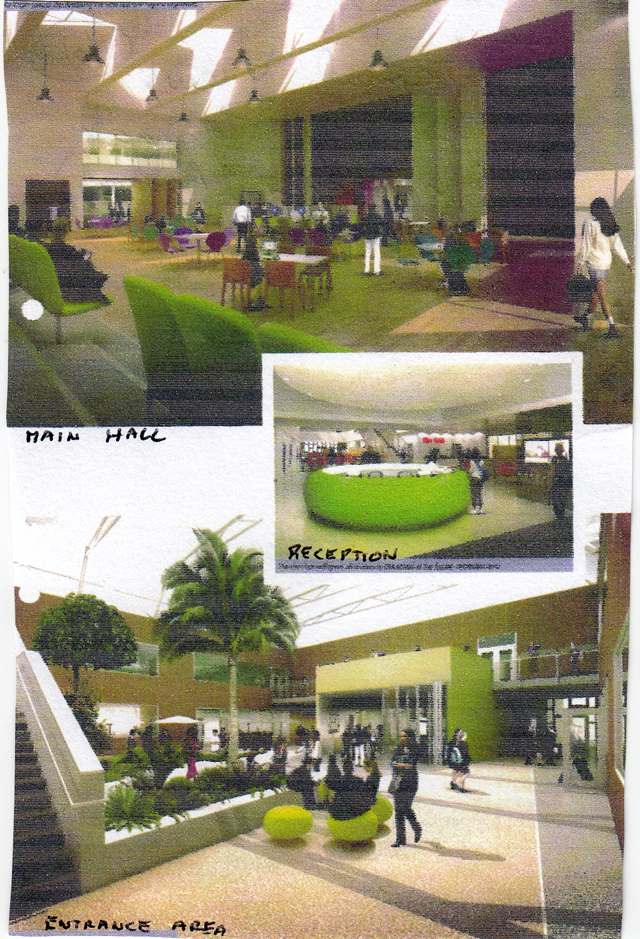 A view of the dedicated centre at Pleckgate School for the older 4th and 5th year pupils
In the early 2000s, a new Technology Centre was built at the front of the school off the bus lay-bye. This was to provide I.T. skills for locals, Pleckgate pupils and local businesses. It was one of two built in the borough at the time; the other one was at Witton Park school. Today, the centre is called the Education Partnership Trust. A replacement school was planned from 2009 to be built behind the existing school which would be demolished as part of the “New Schools for the Future Scheme” which was handed over to the Headmaster
Mr. Campbell in August 2012. This, in turn, became a Mathematics and Computing College/Academy when special school skills became fashionable. The new school included state of the art accommodation and facilities with a new all-weather pitches to the rear together with new play areas and playing fields. These facilities were also used extensively out of school hours by many locals especially for I.T. and sports by evening classes or hired by various organisations.
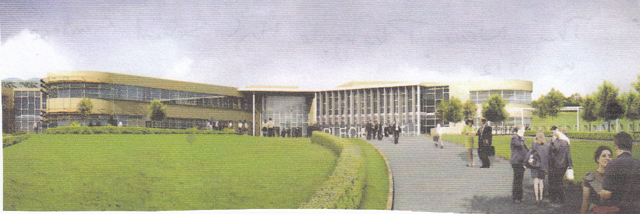
The frontage of the new Pleckgate School opened in 2012
Internal views of the new Pleckgate School/Academy
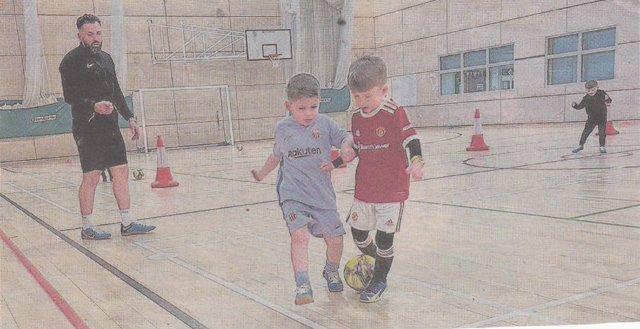
The use made of the Schools Sports Hall by out of hours users
The opening of St. Gabriel’s Primary School
Two further church schools were opened in the area both off Wilworth crescent on former open grassland. The first was St. Gabriel’s Primary School which had previously operated from a site on Cornelian Street, off Whalley New Road, in the Roe Lee area, and also, in the church hall. Members of the church helped raise money to open the school for junior pupils in 1970 with two classes and further phases planned, with the remaining younger Infant and Junior pupils remaining at Cornelian Street. The final phase to incorporate all the schools pupils was opened in late 1980 by the Bishop of Blackburn and the school could now accommodate 253 pupils.
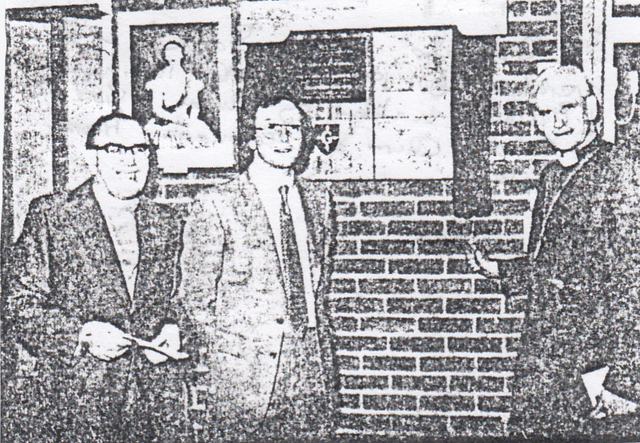
The opening of St. Gabriel’s Primary School by the Bishop of Blackburn
This faded view shows the Bishop of Blackburn, watched by Cannon Williams, and the school Headmaster, Harry Sharples, opening the last phase of the new St. Gabriel’s School in 1980. Since the opening, the school has had to further expand due to rising numbers of pupils in the area.
The second church primary school to be opened was Holy Souls Roman Catholic School which was opened in May 1976 by the Bishop of Salford and took its first pupils in 1974 with the Head being Miss Mary Smith.
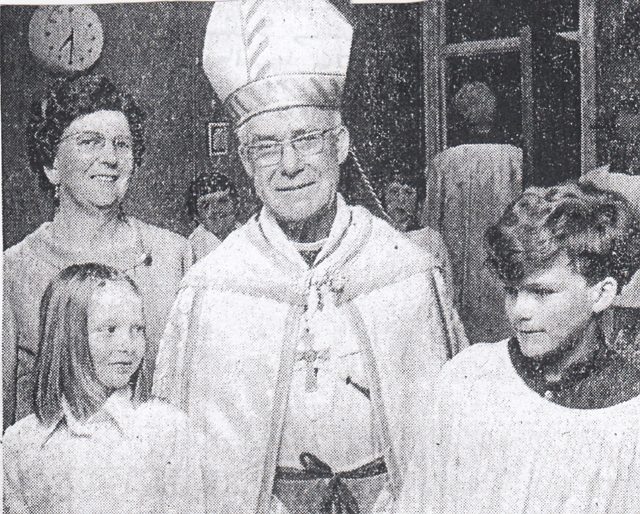
Holy Souls Primary School is opened in May 1976 by the Bishop of Salford with Miss Smith and pupils
By 1980, 165 pupils were crowded into the school, built for 120, six years after it was left half finished by Lancashire County Council. Blackburn Education Committee however felt it couldn’t spend money building extensions to the school when St. Albans R.C. School on Whalley New Road near the town centre had unfilled places. However, later in the 1980s/90s, the school was extended to its present form to accommodate more pupils.
Another two primary schools were also built off St James's Road in the 1980s; these were the Junior and Infant schools at the Cedars and Hawthorn sites to replace the old Cedar Street school on St James's Road. All the new schools were necessary to provide education for the large number of families children who had moved into the new housing estates of both Lammack and Pleckgate.
Over the years, the area has seen changes on the industrial front, first with the demolition of the original Roe Lee Textile Mill; the site is currently earmarked for a seven-day-a-week car sales site on the 7,445 square metre plot as a new commercial venture with two portable buildings on the land for the sales staff. Additionally, there has been a change in direction of the use of Roe Lee New Mill, which, after closure, became a Roe Lee Business Park containing 12 independent industrial units operated by a range of different firms who rent the units. A similar change has occurred at Haydock Laundry at its Pleckgate Road site as general laundry business declined in the 1970s and closed in the 1980s; Haydock Dyers also closed in 1982. Today, the former laundry buildings have been sub-divided into units which are rented out to different firms with a small section involved in dry-cleaning work. Another business that developed at the lower end of Pleckgate road was C & H Motors Garage which has been involved in motor vehicle repairs and MOT testing.

An advert for C & H Motors Garage on lower Pleckgate Road
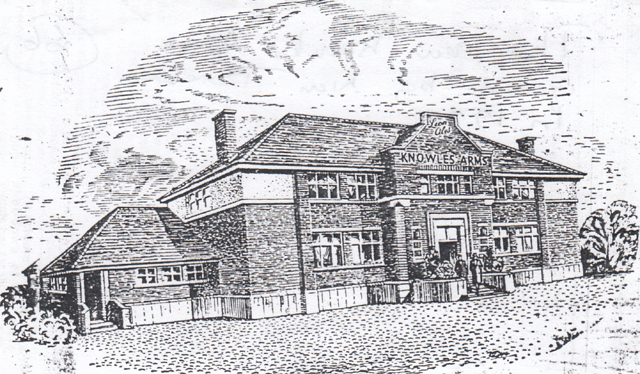
Another business unit was built off Openshaw Drive along with some shops to cater for local needs. Two new public houses also opened in the area as the Knowles Arms moved to a new site fronting Ramsgreave Drive behind the much smaller original inn on Pleckgate Road. It was opened in 1958 by Lion Brewery and built in a traditional style made of hand-made rustic facing bricks with natural and re-constructed stone relief and offered extensive car parking just off the main road and provided up to date facilities.
A sketch of the new Knowles Arms public house opened by Lion Brewery in 1958
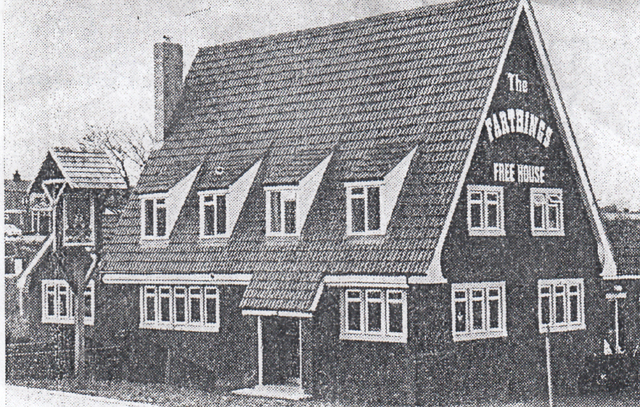
Over time, the public house incorporated areas for meals and became a popular destination changing to an EGO Restaurant in more recent times. The second new public house, The Farthings, was built on Rosewood Avenue; it was a free house offering fine ales together with lunches and bar snacks with facilities for private parties. It opened in 1978 and provided extensive car parking along with advertised evening entertainment.
The new “The Farthings” Public House opened on Rosewood Avenue in 1978

 Loading more