
 Loading more
Cemetery Walk
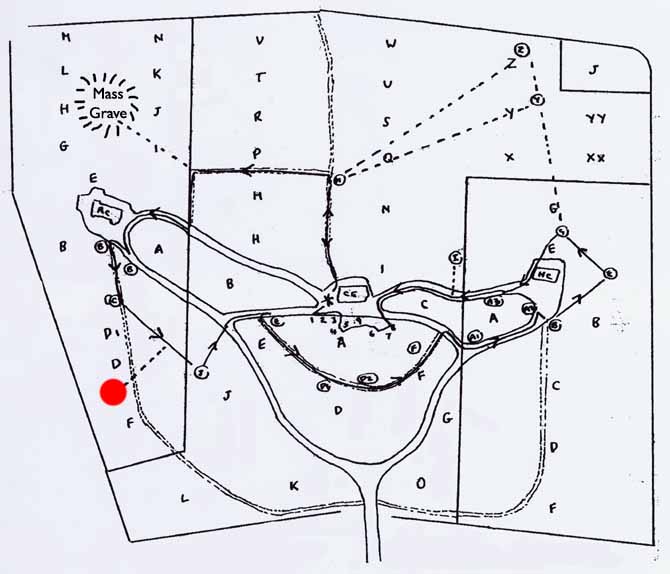
The Cemetery Walk Map | The Graves of Blackburn Cemetery | The Cemetery Walk
Kempster, Frederick John | Devaney, June Anne | Griffiths, Peter | Holland, Emily
Chester, Helen | Beetham, Alice | The Sisters of Notre Dame and Priest: St. Albans RC Church
Billington, William | Pitts, James V.C. | Baron, John Thomas | Rostron, Scholes | Ellis, George
Dugdale, John | Thwaites, Thomas | Livesey, Henry | Birtwistle, William | Birtwistle, Brigadier Arthur
Little Tom | Eccles, Joseph | Dewhurst, George | Baynes, John | Brothers, Orlando
Coddington, William | Whewell, William | Coddington, Robert Hopwood | The Lewis Graves
The Dugdale Graves | Thom, William | Dutton, Thomas and Pickup, John
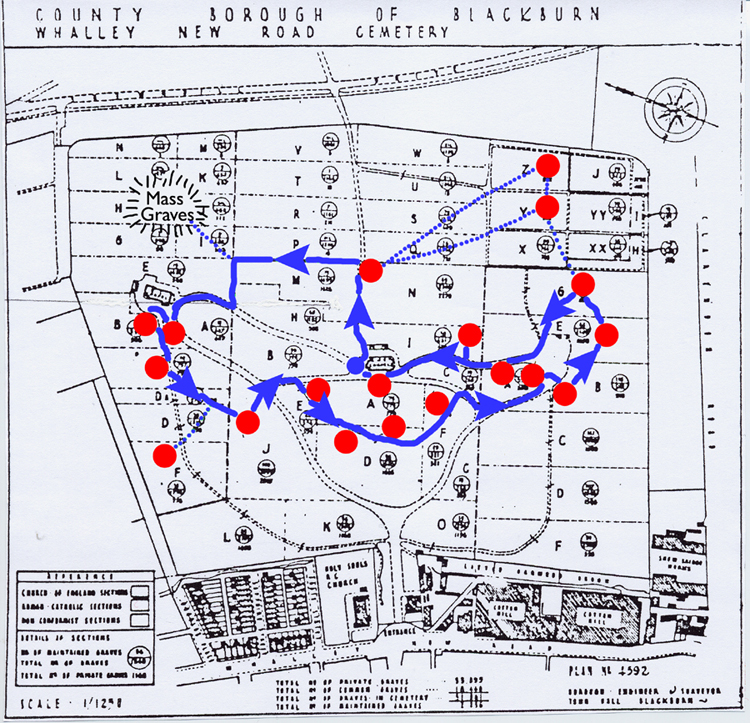
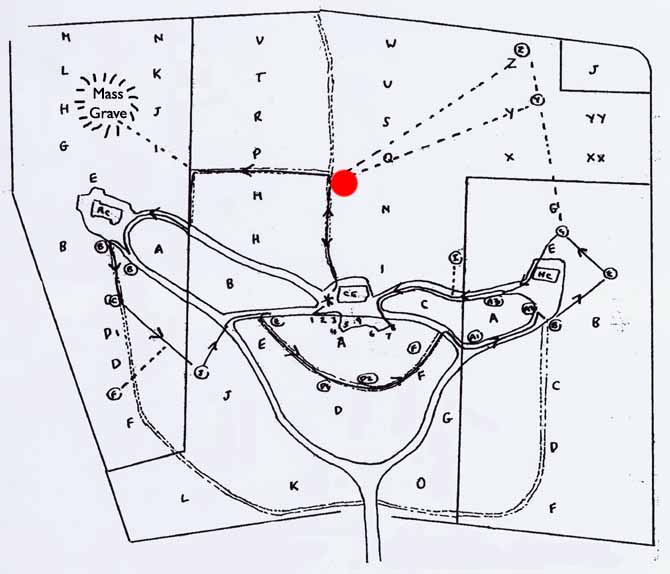
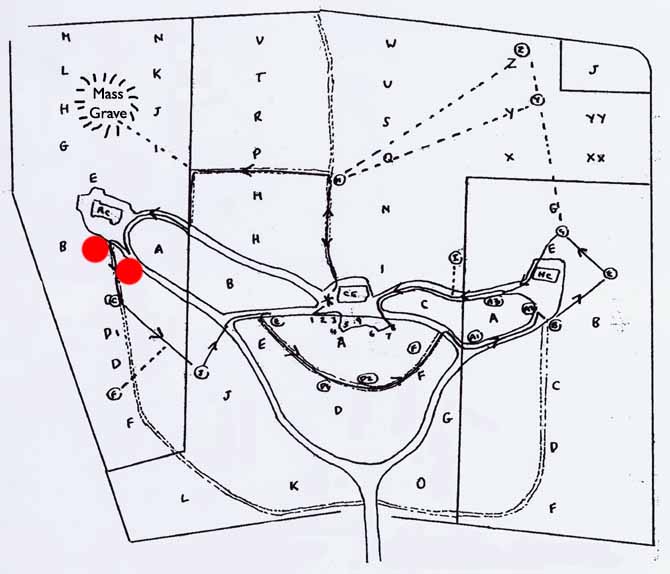
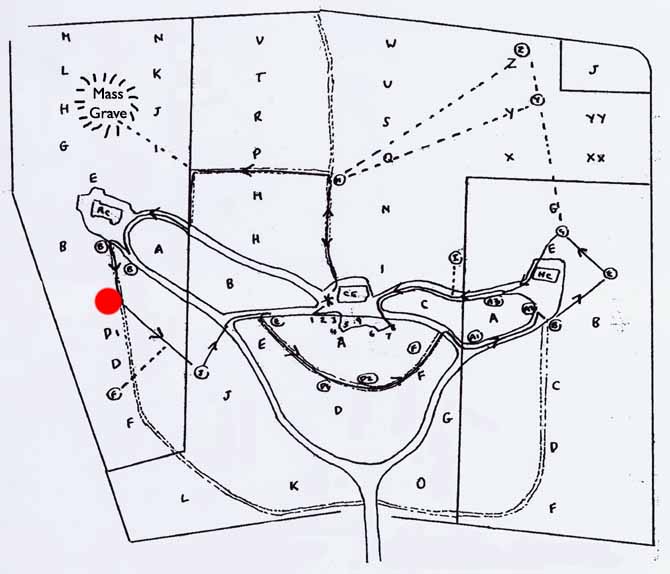
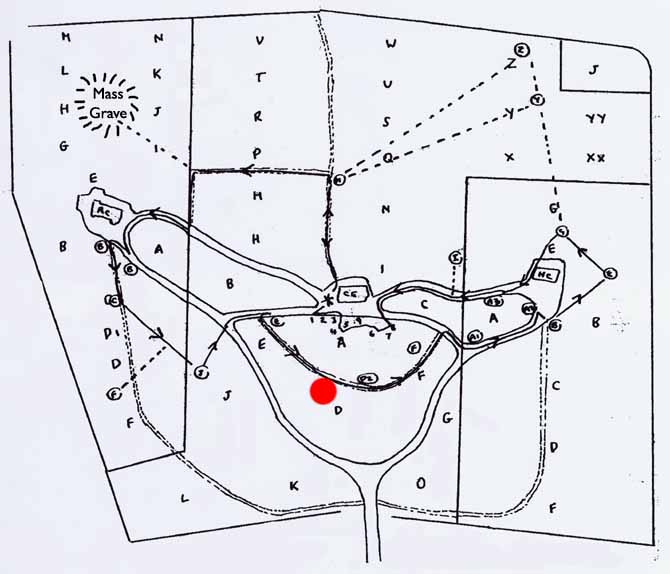
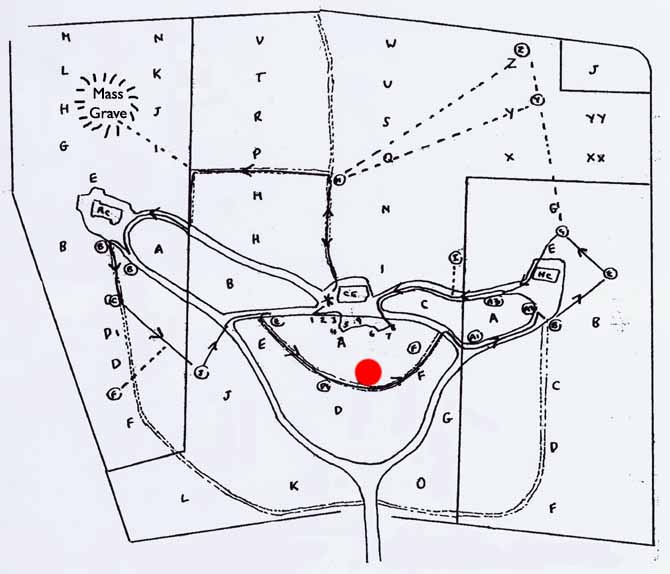
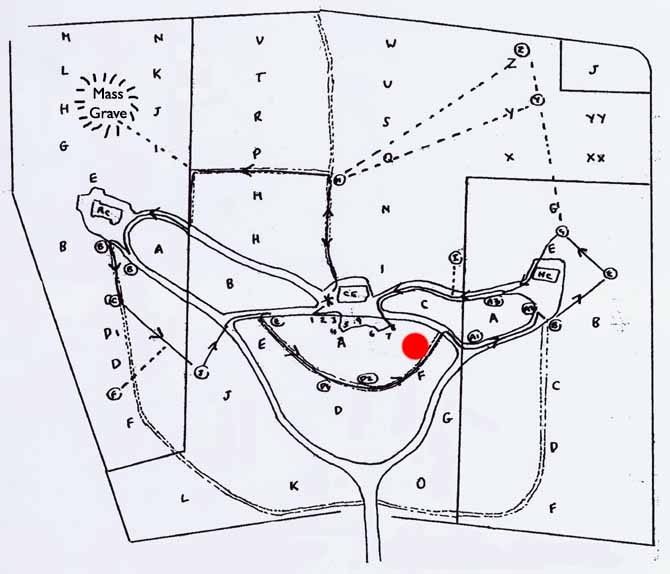
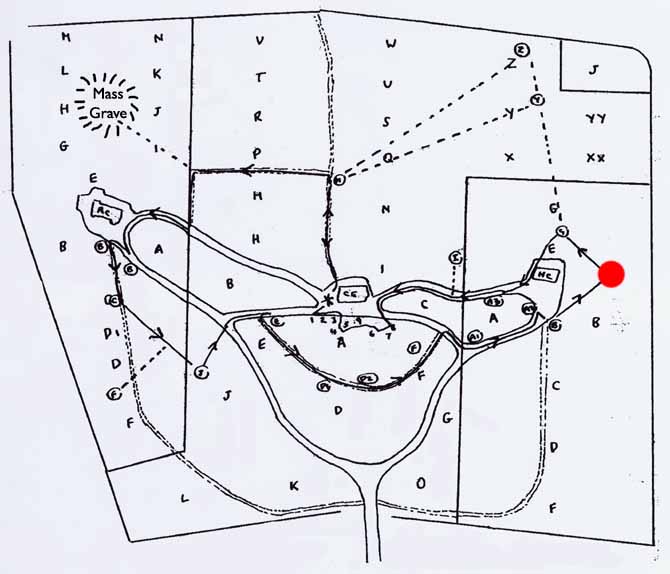
The starting point of the walk is the Blue spot in the centre of the cemetery. Each highlighted grave has it's own map to show it's location on particular page.
The Graves of Blackburn Cemetery
by
Gordon Hartley and Albert Branscombe
© Gordon Hartley - terms and conditions
© Gordon Hartley - terms and conditions
This walk is taken from
'A walk around Blackburn Cemetery'
by
Blackburn Local History Society on 23 May 2000
© Gordon Hartley - terms and conditions
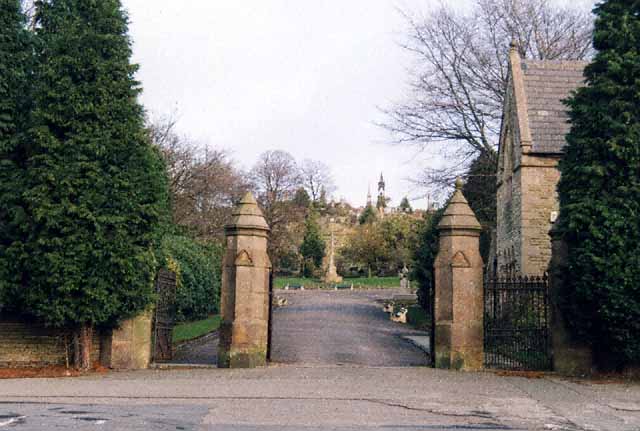
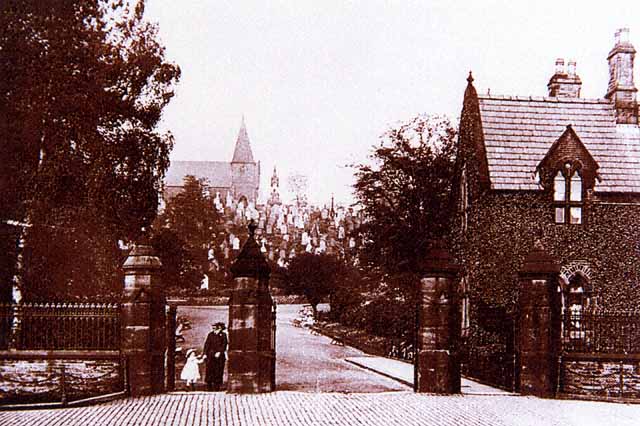
Blackburn Cemetery was opened on the 1st July 1857 in what Abram desceibed as being a 45 acre site. I have seen this referred to as being a 19 acre site which I think is probably nearer to the truth, perhaps further ground was sold off in the early days. The Cemetery included three chapels and a Registrars house. The Burial Board had been set up three years earlier and acquired parts of the Bank Hey Estate. The total cost including the enclosing walls, chapels and laying out as a cemetery was £19,000. The cost of a plot in the cemetery varied from £9 to be close to one of the chapels and went down to £1 in the more remote areas. By 1951 internments numbered 176,000 which is an average of 1800 per annum.
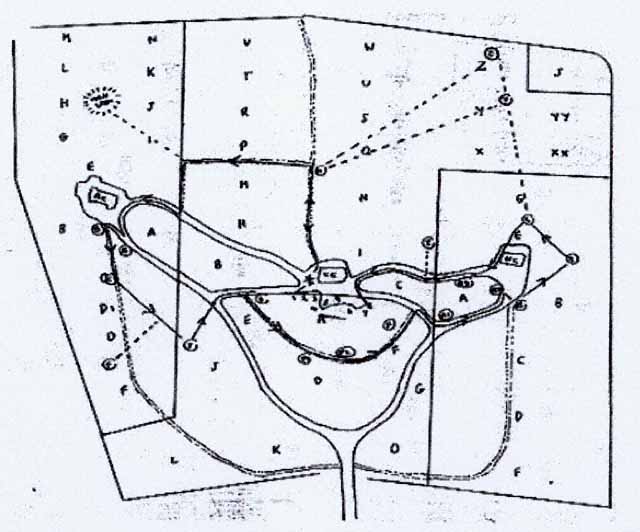
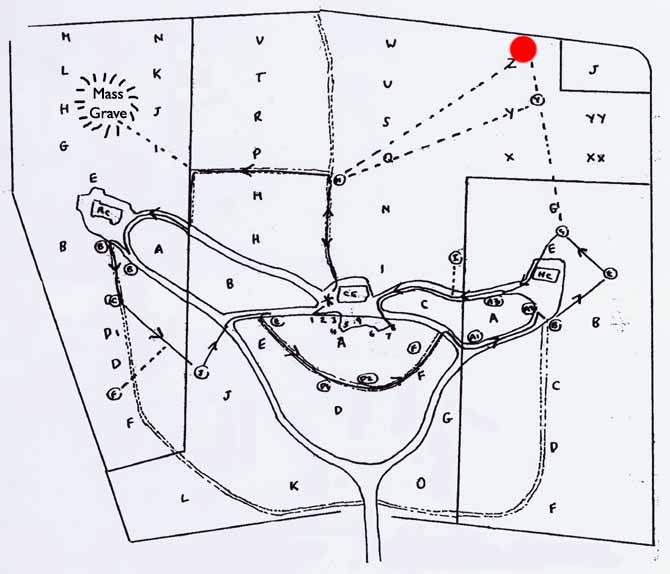
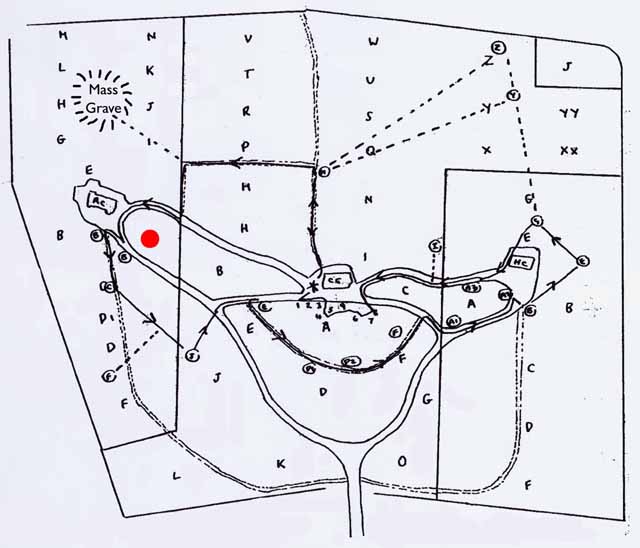
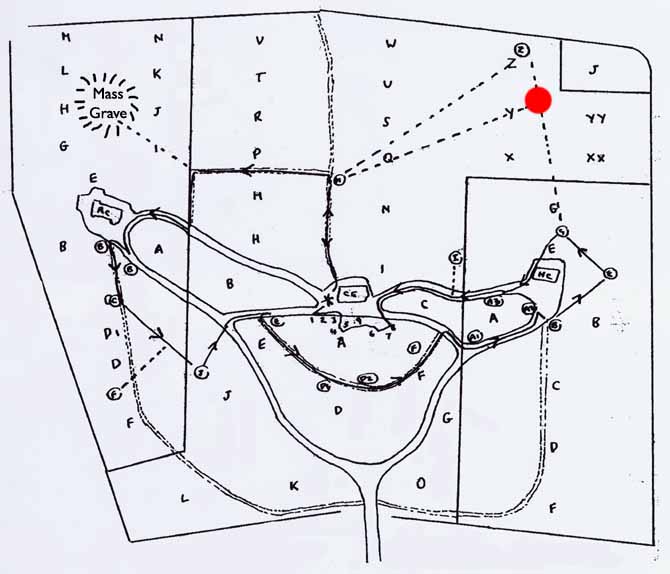
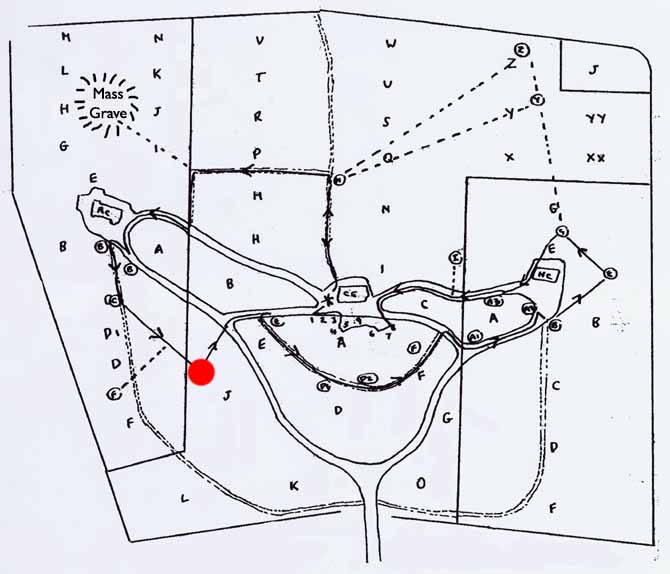
The Cemetery is divided into 4 areas. That for the Roman Catholic (RC) burials being on the left, split into 14 sections lettered A to M. For the Non-Conformists (NC) being in front on the right split into 7 sections lettered A to G. A small area was reserved for Jewish burials in the far right hand corner shown as J. The remainder of the Cemetery was for Church of England (CE) burials split into 28 sections lettered A to YY. Running across the centre of the Cemetery the three Chapels are shown as a small rectangle enclosing the letters showing the denomination. Our actual walk started at the Star in the centre of the Cemetery and followed the direction of the arrows eventually returning to the same point. The dotted lines in the direction of graves F, Y & Z indicate that we looked in those directions rather than walking to them. Against each entry a reference is shown starting with the religious denomination, followed by the actual section and finally a number, which relates to the previous plan to show the reasonably exact location of that grave.
Kempster, Frederick John
The Blackburn Giant
© Gordon Hartley - terms and conditions
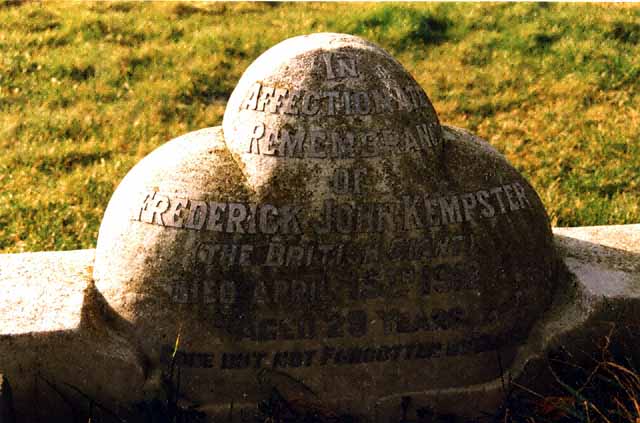
IN AFFECTIONATE REMEMBRANCE OF
FREDERICK JOHN KEMPSTER
(THE BRITISH GIANT)
DIED APRIL 15TH 1918
AGED 29 YEARS
GONE BUT NOT FORGOTTEN BY BILLY
© Gordon Hartley - terms and conditions
CE M 6227 and 6330
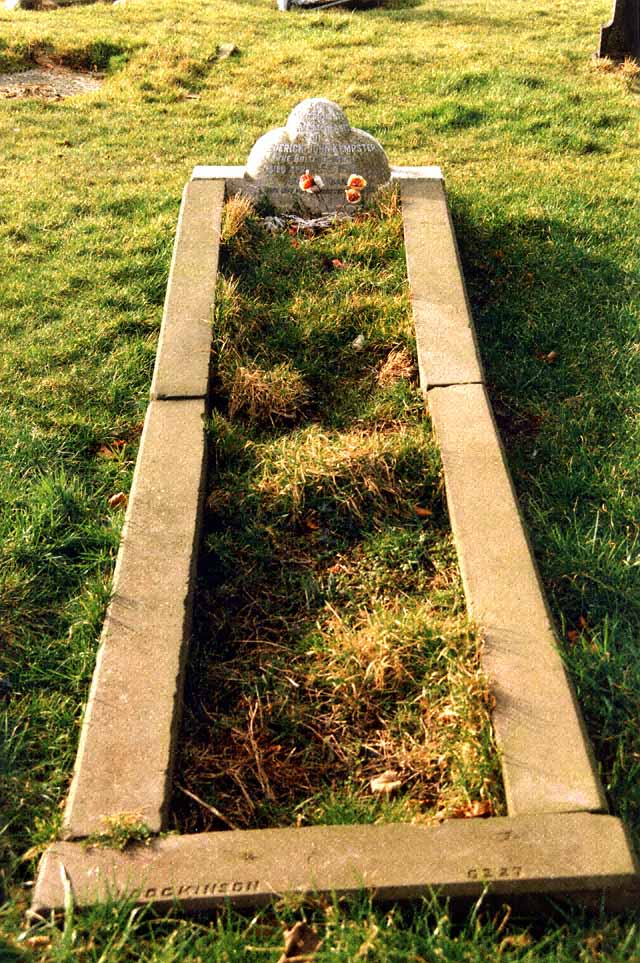
The grave of Frederick John Kempster (Blackburn's Giant). He died on April 5th 1918. He was born in London, but came to Blackburn as a fairground attraction. He was 8’4½” tall, at 19 years of age he was already 7'4" tall. He could light cigarettes from street lamps, and could pass an old 1d. coin through a ring he wore on his finger. His arms had a span of 13'. He lodged at the Haymarket Hotel for the annual Easter Fair in 1918. He caught pneumonia and died in Queen's Park Hospital where he had required three beds pushed together. He weighed 27 stones and his coffin was over 9 feet long, it took 14 men to lower it into the grave. A normal breakfast for Fred Kempster was 4 loaves and 6 eggs.
© Gordon Hartley - terms and conditions
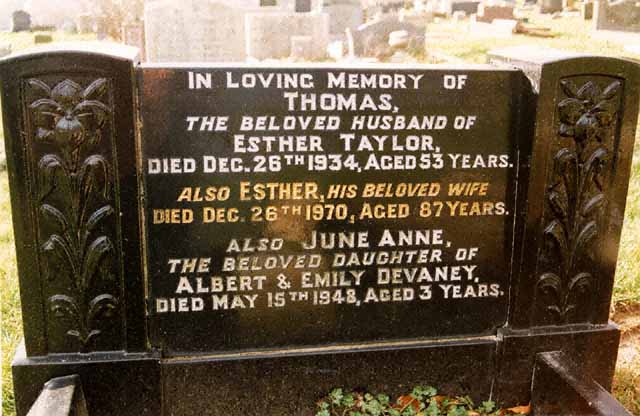
The grave of June Anne Devaney. This is a small black headstone in a far corner of the cemetery. She was murdered on the 15th May 1948. She was three years old and murdered in the grounds of Queen's Park Hospital. A 22-year old ex-Guardsman Peter griffiths was caught after 46,000 males over the age of 16 were finger printed.
 © Gordon Hartley - terms and conditions
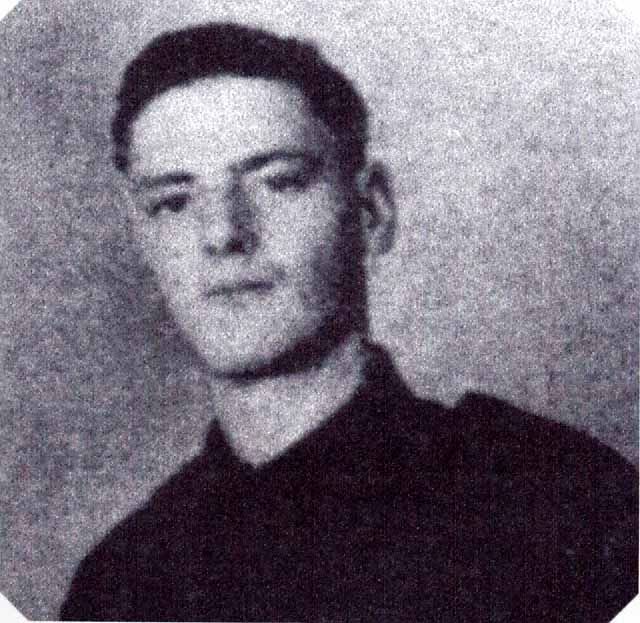
Peter Griffiths was hanged for the murder of June Anne Devaney at Walton Gaol on the 19th November 1948, he was 22.
© Gordon Hartley - terms and conditions
RC
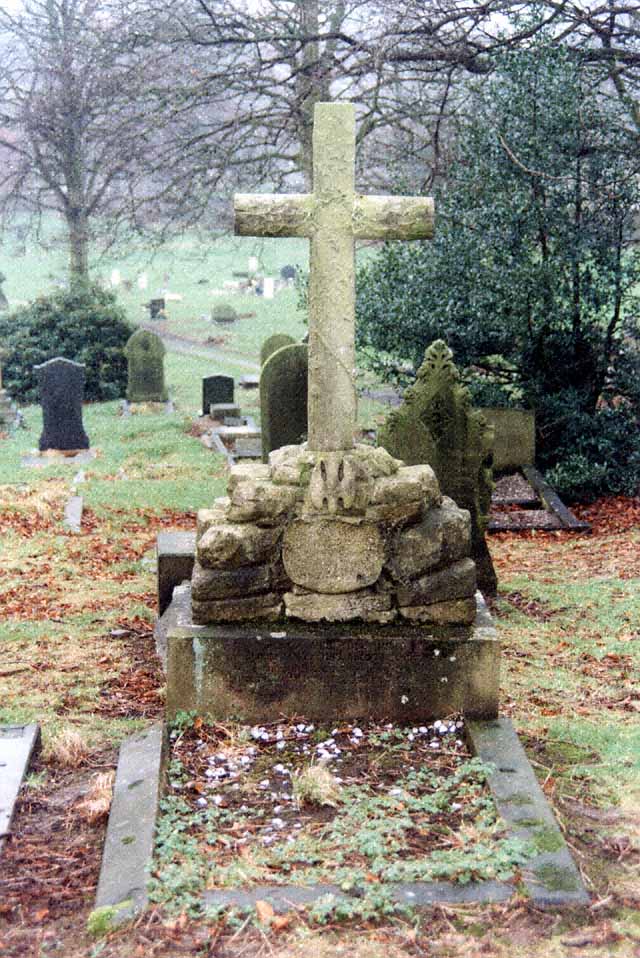
The grave of Emily Holland above. The gravestone is a rustic cross surmounting a pile of stones.
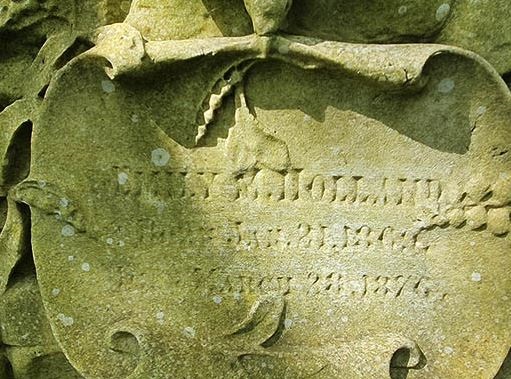
(c) June Dowling, 2020
She was murdered on the 28th March 1876 and it was said to be the most talked about crime of the 19th century. She was 7 years old and went missing after school. Days later her torso was discovered wrapped in newspaper along with some hair clippings. Two bloodhounds were brought in to search the barbers shops around Moss Street (near to where she lived). One dog found a parcel of bones in the chimney of the house where William Fish lived. He was 25 and married with two children. He was hanged at Kirkdale Gaol on the 14th August 1876.
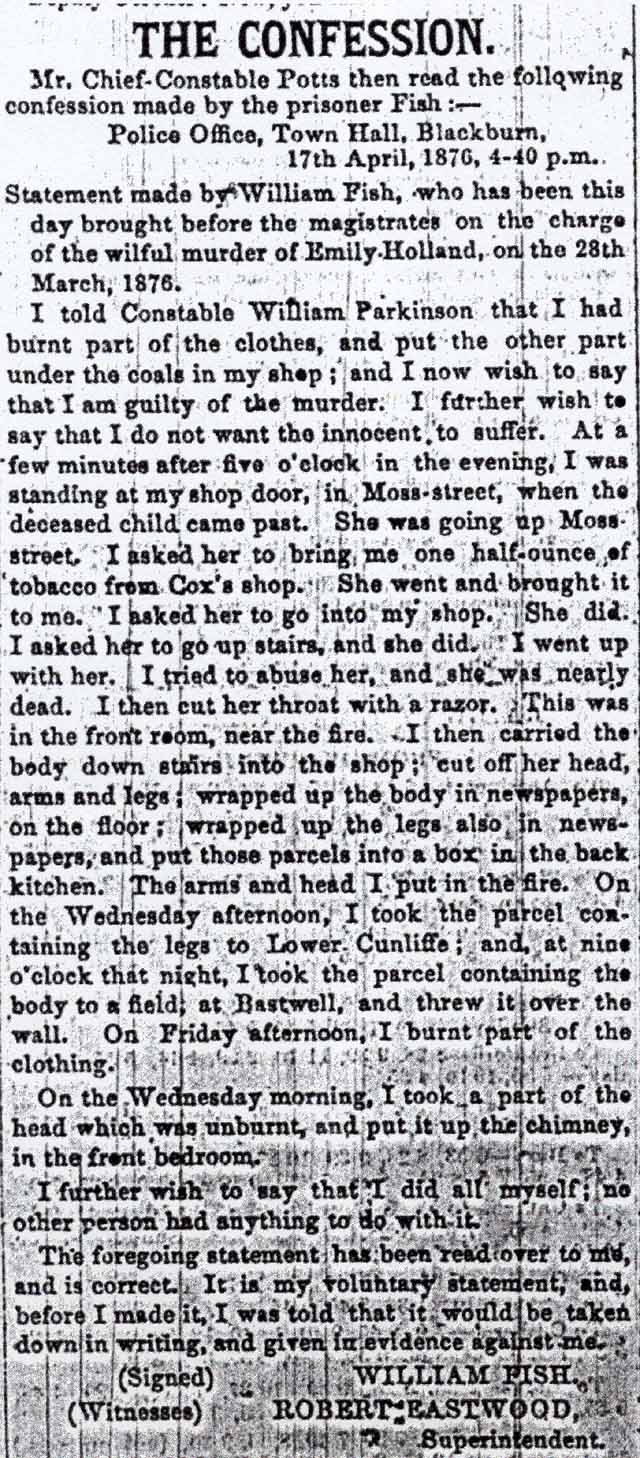
THE CONFESSION.
Mr. Chief-Constable Potts then read the following confession made by the prisoner Fish:-
Police Office, Town Hall, Blackburn,
17th April, 1876, 4.40p.m.
Statement made by William Fish, who has been this day brought before the magistrates on the charge of the wilful murder of Emily Holland, on the 28th March, 1876.
I told Constable William Parkinson that I had burnt part of the clothes, and put the other part under the coals in my shed; and I now wish to say that I am guilty of the murder. I further wish to say that I do not want the innocent to suffer. At a few minutes after five o'clock in the evening, I was standing at my shop door in Moss-street, when the deceased child came past. She was going up Moss-street. I asked her to bring me one half-ounce of tobacco from Cox's shop. She went and brought it to me. I asked her to go upstairs and she did. I went up with her. I tried to abuse her, and she was nearly dead. I then cut her throat with a razor. This was in the front room near the fire. I then carried the body downstairs into the shop; cut off her head, arms and legs; wrapped up the body in newspapers on the floor; wrapped up the legs also in newspapers, and put those parcels into a box in the back kitchen. The arms and head I put in the fire. On the Wednesday afternoon, I took the parcel containing the legs to lower Cunliffe; and at nine o'clock that night, I took the parcel containing the body to a field at Bastwell, and threw it over the wall. On Friday afternoon, I burnt part of the clothing.
On the Wednesday morning, I took a part of the head which was unburnt, and put it up the chimney in the front bedroom.
I further wish to say that I did all myself, no other person had anything to do with it.
The foregoing statement has been read over to me, and is correct. It is my voluntary statement, and before I made it, I was told that it would be taken down in writing, and given in evidence against me,
(Signed) WILLIAM FISH
(Witnesses) ROBERT EASTWOOD, Superintendent.
© Blackburn Times - terms and conditions
CE Z
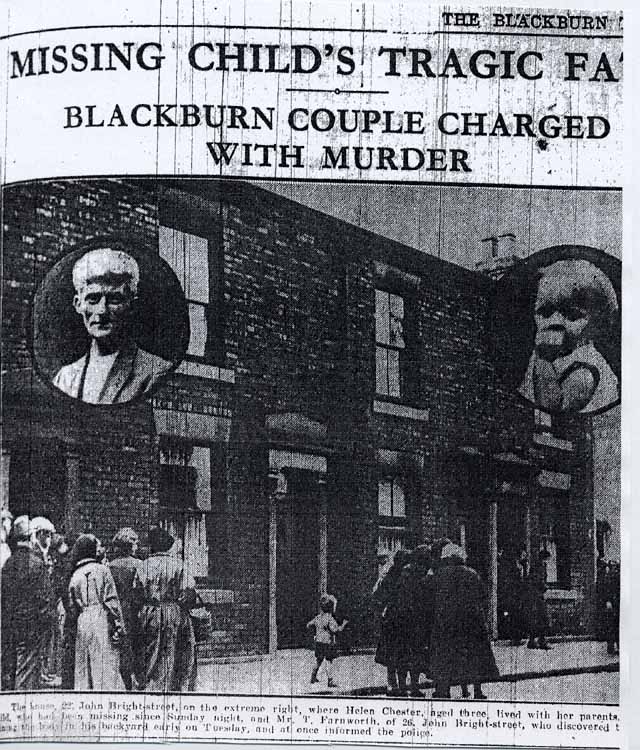
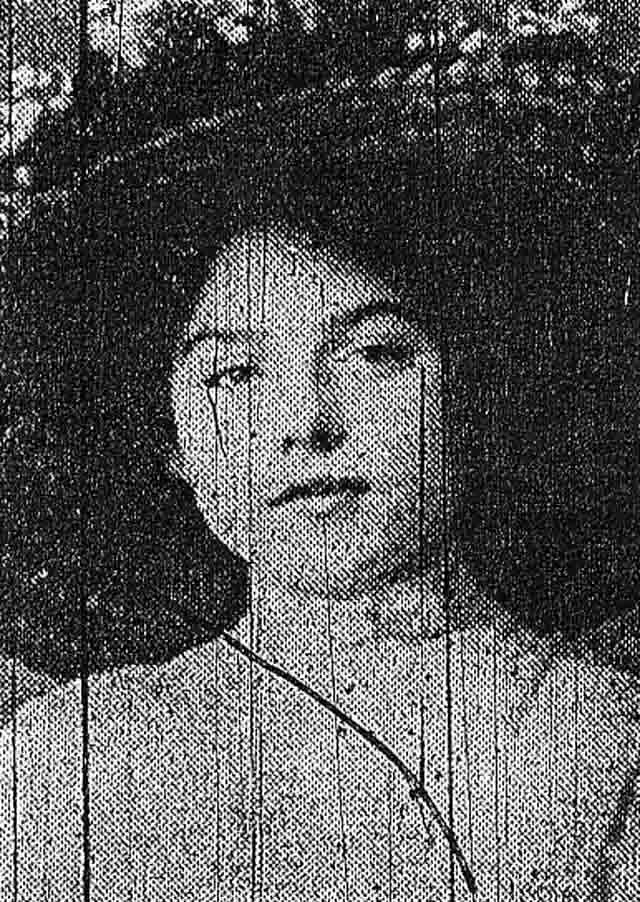
The grave of Helen Chester who was murdered on the 30th June 1935. You cannot see the marked grave. John Bright Street in the Waterfall area of Blackburn was where she met her death. The police had originally thought that she had fallen and John and Edith Mills had tried to dispose of the body whilst in a panic. They were tried and found guilty but the sentence was later quashed and they were released.
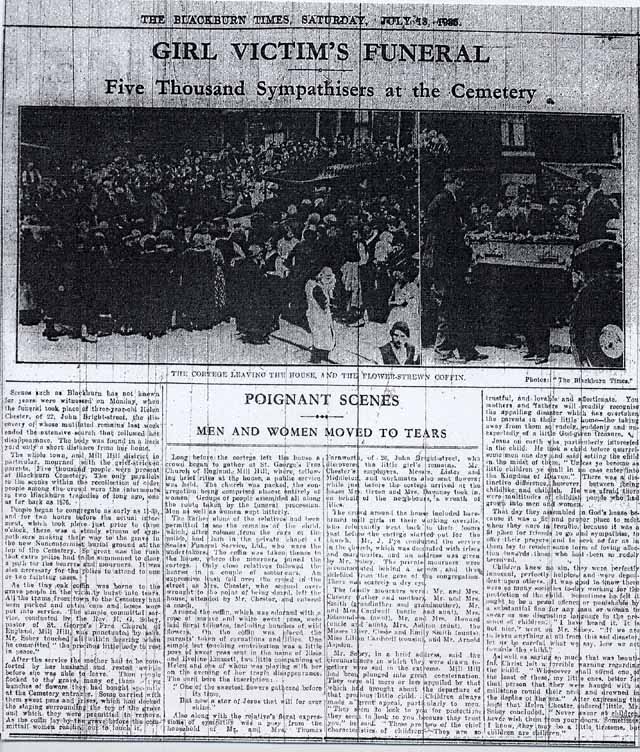
GIRL VICTIM'S FUNERAL
Five Thousand Sympathisers at the Cemetery.
POIGNANT SCENES
MEN AND WOMEN MOVED TO TEARS
Scenes such as Blackburn has not known for years were witnessed on Monday, when the funeral took place of three-year-old Helen Chester, of 22, John Bright-street, the discovery of whose mutilated remains last week ended the extensive search that followed her disappearance. The body was found in a back yard only a short distance from her home.
The whole town, and Mill Hill district in particular, mourned with the grief-stricken parents. Five thousand people were present at Blackburn Cemetery. The only parallels to the scene within the recollection of older people were the internments in two Blackburn tragedies of long ago, one as far back as 1876.
People began to congregate as early as 11.30, and for two hours before the actual internment, which took place just prior to three o'clock, there was a steady stream of sympathisers making their way to the grave in the new Nonconformist burial ground at the top of the Cemetery. So great was the rush that extra police had to be summoned to clear a path for the bearers and mourners. It was also necessary for the police to attend to one or two fainting cases. As the tiny oak coffin was borne to the grave people in the vicinity burst into tears. All the trams from town to the Cemetery had been packed and extra cars and buses were put into service. The simple committal service was conducted by the Rev. H. G. Sobey, pastor of St. George's Free Church of England, Mill Hill, was punctuated by sobs. Mr. Sobey touched all within hearing when he committed the 'precious little body to rest in peace'.
After the service the mother had to be comforted by the husband and rested awhile before she was able to leave. Then people flocked to the grave, many of them laying bunches of flowers they had bought specially at the Cemetery entrance. Some carried with them sweet peas and irises, which had decked the staging surrounding the top of the grave and which they were permitted to remove. As the coffin lay by the grave before the committal women reached out to touch it.
Long before the cortege left the house a crowd began to gather at St. George's Free Church of England, Mill Hill, where, following brief rites at the house, a public service was held. The church was packed, the congregation being comprised almost entirely of women. Groups of people assembled all along the route taken by the funeral procession. Men as well as women wept bitterly.
The father alone of the relatives had been permitted to see the remains of the child, which, after release from the care of the police, had lain in the private chapel of Scales Funeral Service Ltd., who were the undertakers. The coffin was taken thence to the house, where the mourners joined the cortege. Only close relatives followed the hearse in a couple of motor-cars. An expressive hush fell over the crowd in the street as Mrs. Chester, who seemed overwrought to the point of being dazed left the house, attended by Mr. Chester, and entered a coach.
Around the coffin, which was adorned with a rope of mauve and white sweet peas, were laid floral tributes, including bunches of wild flowers. On the coffin was placed the parents' token of carnations and lilies. One simple but touching contribution was a little posy of sweet peas sent in the name of Elsie and Eveline Emmett, two little companions of Helen and one of whom was playing with her on the evening of her tragic disappearance.
The card bore the inscription:
"One of the sweetest flowers gathered before its time,
But now a star of Jesus that will forever shine".
Also along with the relative's floral expressions of sympathy was a posy from the household of Mr. and Mrs. Thomas Farnworth, of 26, John Bright-street, who discovered the little girls remains. Mr. Chester's employers, Messrs. Lister and Middleton, and workmates also sent flowers, while just before the cortege arrived at the house Mrs. Green and Mrs. Davaney took in, on behalf of the neighbours, a wreath of lilies.
The crowd around the house included bare-armed mill girls in their working overalls, who reluctantly went back to their looms just before the cortege started out for the church, which was decorated with irises and marguerites, and an address was given by Mr. Sobey. The private mourners were accomodated behind a screen and thus shielded from the gaze of the congregation. There was scarcely a dry eye.
The family mourners were: Mr. and Mrs. Chester (father and mother), Mr. and Mrs. Smith (grandfather and grandmother), Mr. and Mrs. Cardwell (uncle and aunt), Mrs. Ashton (aunt), the Misses Olive, Cissie and Emily Smith (aunts), Miss Lillian Cardwell (cousin), and Mr. Arnold Aspden.
Mr. Sobey, in a brief address, said the circumstances in which they were drawn together were sad in the extreme. Mill Hill had been plunged into great consternation. They were all more or less appalled by that which had brought about the departure of a precious little child. Children always made a great appeal, particularly to men. "They seem to look to you for protection, they seem to look to you because they trust you", he said. "Those are two of the chief characteristics of children. They are so trustful, and lovable and affectionate. You mothers and fathers will readily recognise the appalling disaster which has overtaken the parents in their little home - the taking away from them so rudely, suddenly and unexpectedly of a little God-given treasure.
Jesus on earth was particularly interested in the child. He took a child before quarrelling men one day and said, setting the child in the midst of them, "Unless ye become as little children ye shall in no case enter into the Kingdom of Heaven". There was a distinctive difference, however, between being childlike and childish. He was afraid there were multitudes of childish people who had grown into men and women.
That day they assembled in God's house because it was a fit and proper place to meet when they were in trouble, because it was a fit place for friends to go and sympathise, to offer their prayers and to seek as far as in them lay to render some form of loving affection towards those who had been so rudely bereaved.
Children knew no sin, they were perfecty innocent, perfectly helpless, and were dependent on others. It was good to know there were so many societies to-day working for the protection of the child. Sometimes he felt it ought to be a penal offence or punishable by a substantial fine for any man or woman to swear or use disgusting language in the presence of children. "I have heard it. It is not nice", went on Mr. Sobey, "If we are to learn anything at all from this sad disaster, let us be careful what we say, how we act towards the child".
As well as saying so much that was beautiful, Christ left a terrible warning regarding the child. "Whosoever shall offend one of the least of these, my little ones, better for that person that they were hanged with a millstone round their neck and drowned in the depths of the sea". After expressing the hope that Helen Chester suffered little, Mr. Sobey concluded, "Never swear at children, never wish them from your doors. Sometimes I know, they may be a little tiresome, but children are children".
Blackburn Times, 13th July 1935.
© BwD - terms and conditions
RC F
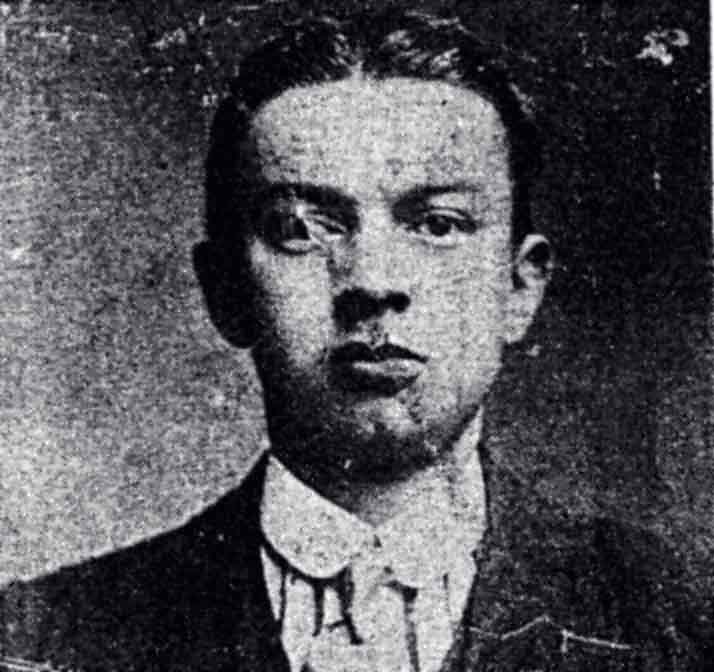
The grave of Alice Beetham who was murdered on the 20th May 1912. Her grave is not marked. The 18 year old had spilt up with her boyfriend, the 22 year old Arthur Birkett. They both worked at Jubilee Mill. He cut her throat with a razor whilst in a frenzy of rage and then tried to kill himslef. His mother, sister and neighbours from Riley Street came out on the day of his execution to sing 'Abide with Me'.
Arthur Birkett was hanged at Strangeways Gaol for the murder of his girlfriend Alice Beetham at 8am on Tuesday, 23rd July 1912.
© BwD - terms and conditions
The Sisters of Notre Dame and Priest: St. Albans RC Church
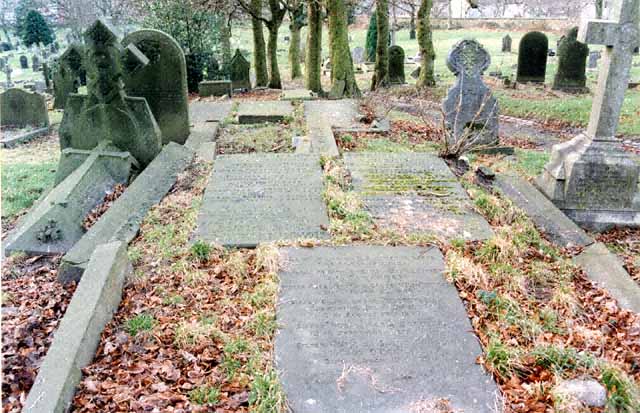
The graves of the Sisters of Notre Dame, Blackburn.
Also Sisters and a Priest from St. Alban's R. C. Church, Blackburn
© Gordon Hartley - terms and conditions
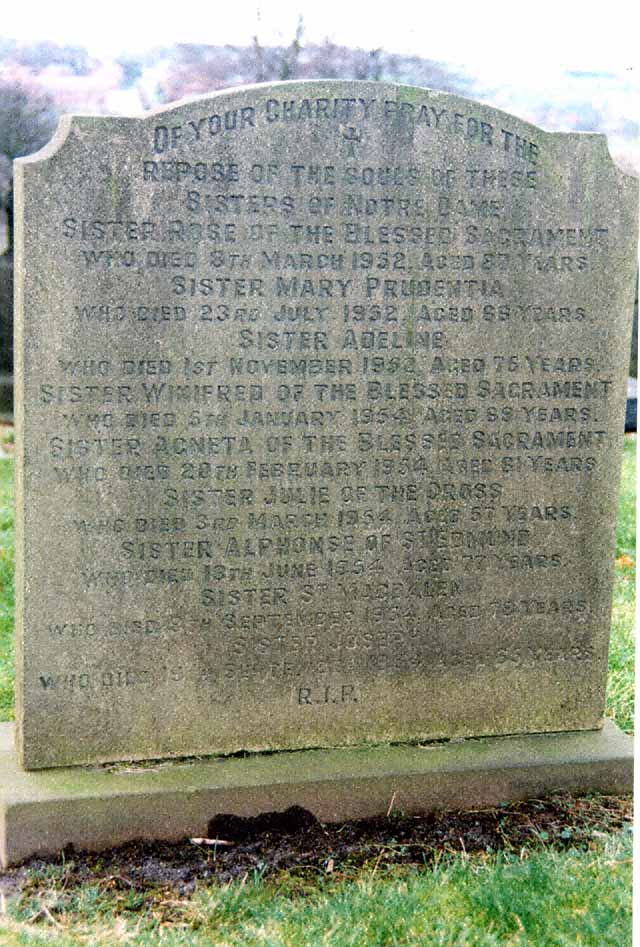
The graves of the Sisters of Notre Dame, Blackburn.
Also Sisters and a Priest from St. Alban's R. C. Church, Blackburn.
© Gordon Hartley - terms and conditions
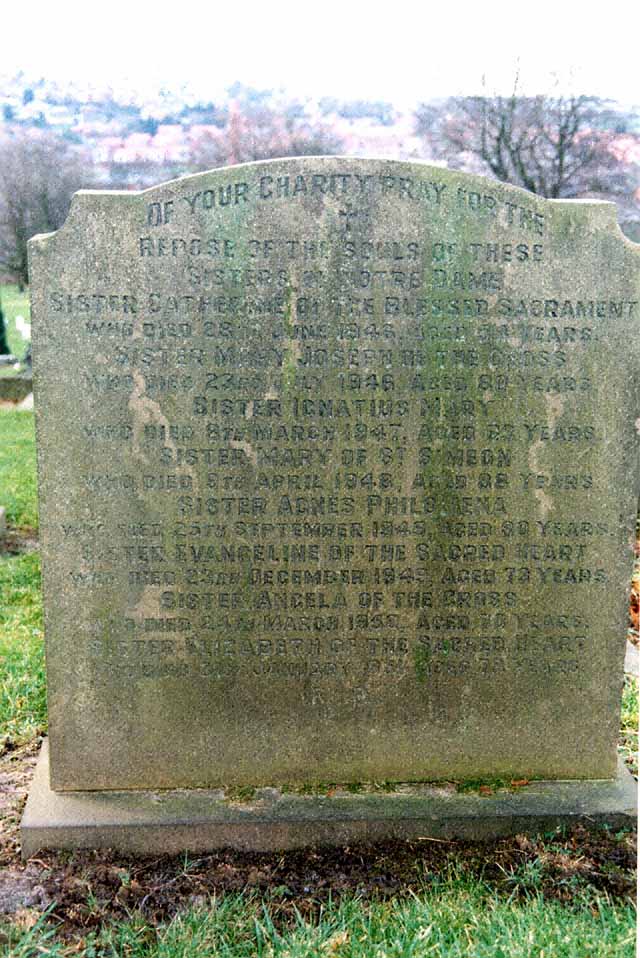
The graves of the Sisters of Notre Dame, Blackburn.
Also Sisters and a Priest from St. Alban's R. C. Church, Blackburn
© Gordon Hartley - terms and conditions
© Gordon Hartley - terms and conditions
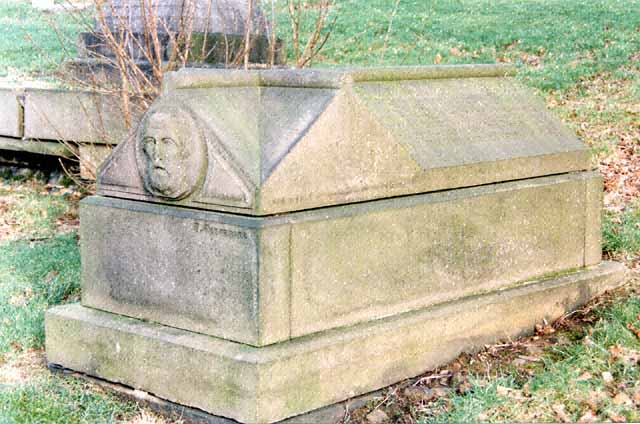
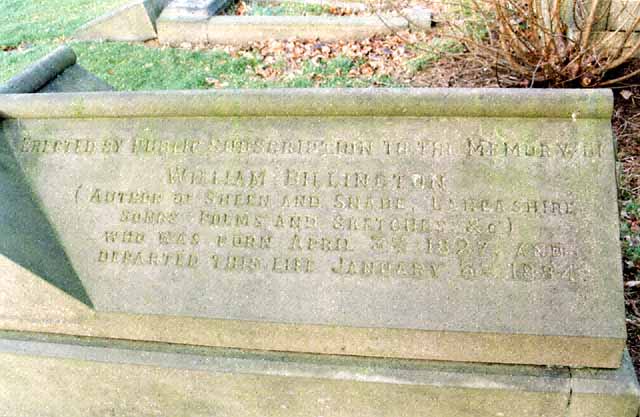
The grave of William Billington. This is an oblong tomb with portraits. He died on the 3rd January 1884 and was born in Samlesbury in 1827. He worked at various mills but was best known as a writer. He contributed regularly to the Blackburn Standard and later the Blackburn Times. He published two books, 'Sheen and Shade' and 'Lancashire Songs'. Finally, he was the landlord of Poets Corner where he enjoyed arguing the night away. He was so confident in his debating skills that he would allow others to choose their side of the argument.
© Gordon Hartley - terms and conditions
© Gordon Hartley - terms and conditions
CE J
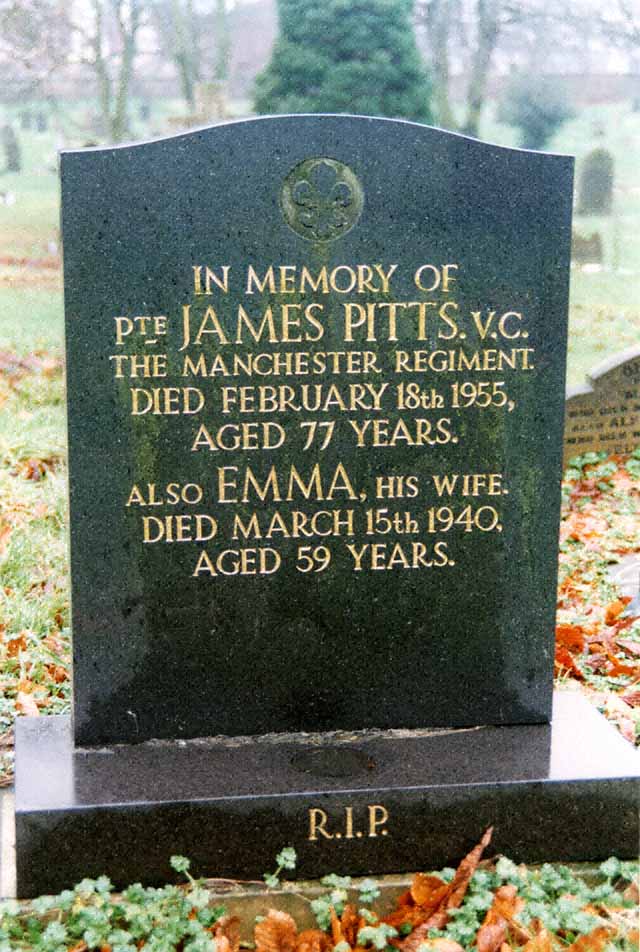
The grave of James Pitt who was Blackburn's first V.C. (Victoria Cross). He was born in 1877 and died in 1980. The grave is a black granite headstone. He lived in Barton Street and later Duckworth Street. He was awarded the V.C. during the Boer War at Ladysmith on the 6th January 1900 when he was a Private in the 1st Battalion Manchester Regiment. With Private Robert Scott of Haslingden he held the Boers for 15 hours allowing Lord Roberts to enter and relieve Ladysmith. He also fought during the First World War.
© Gordon Hartley - terms and conditions
CE E
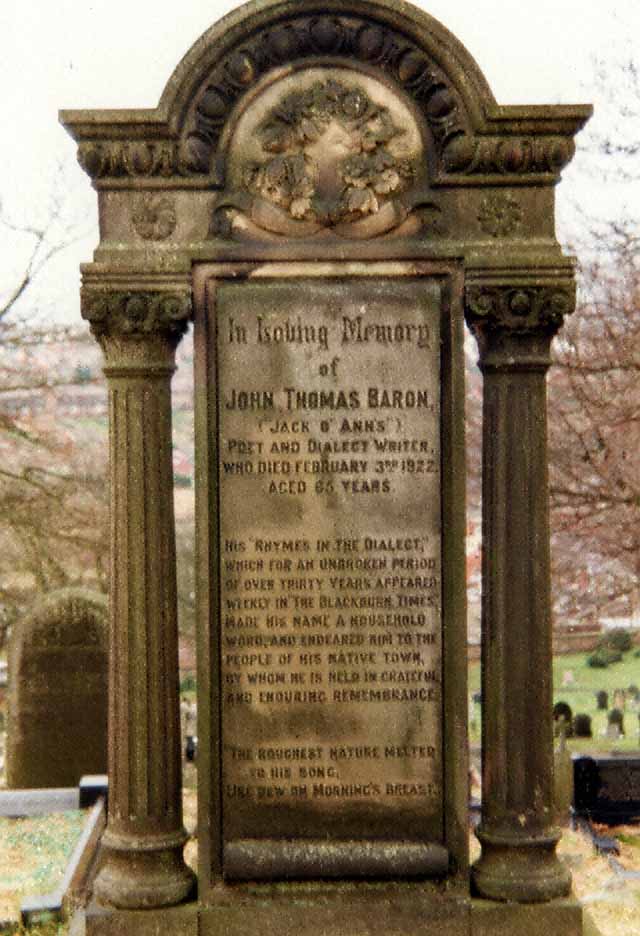
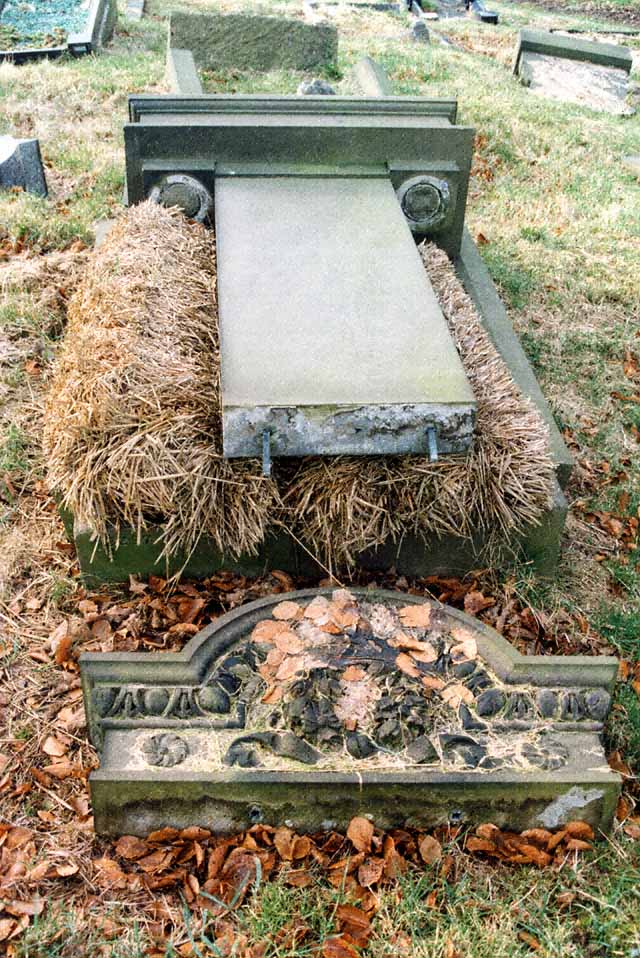
The grave of John Thomas Baron (known as Jack O' Anns) who died on the 3rd February 1922. The already vandalised stone has been laid down by the Council. He wrote 1700 dialect rhymes mainly published in the 'Blackburn Times'. He was born at 42 Chapel Street, he had a wonderful knowledge of human nature and could move the reader to tears or laughter. On his death bed the district nurse insisted on changing his shirt despite his pleas to be left alone. He said to the doctor 'These nosses are aw alike. They'll ha't shirt off a man's back afoor he's deead'.
 © Gordon Hartley - terms and conditions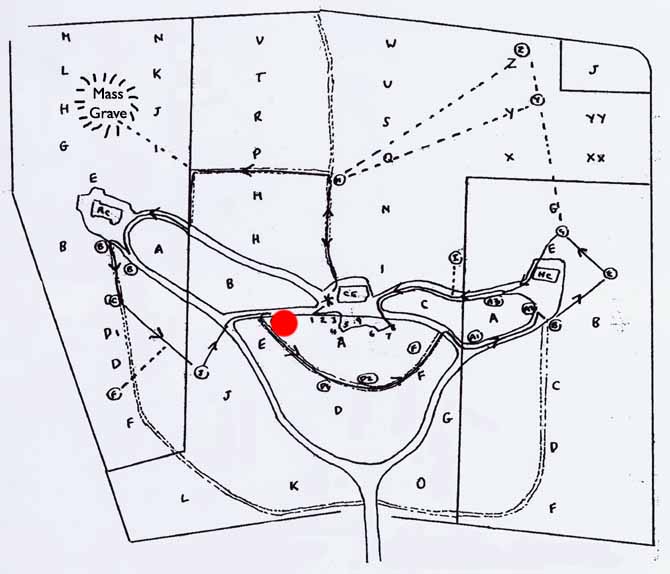
 © Gordon Hartley - terms and conditions
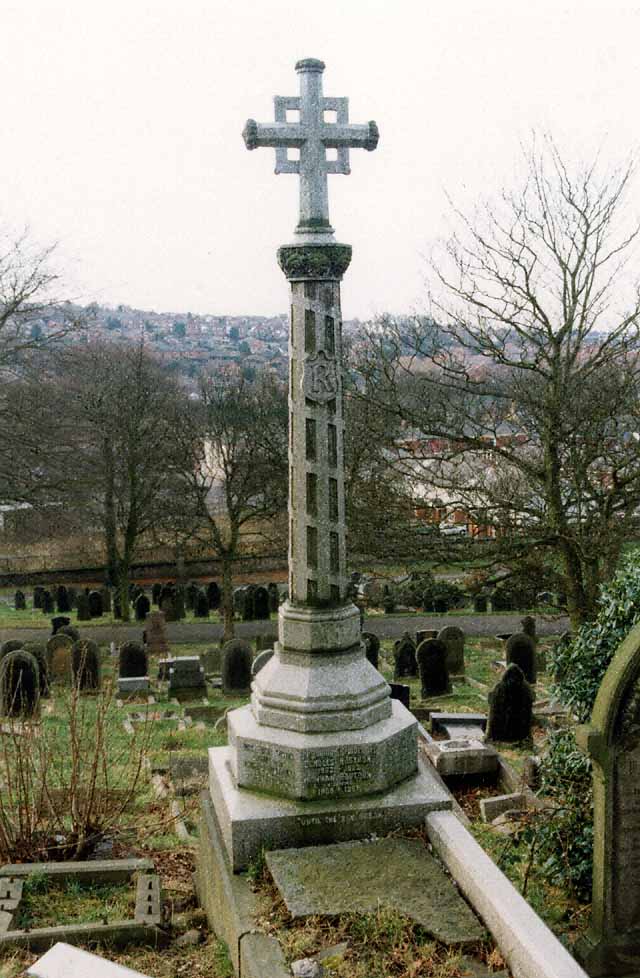
CE DI
The grave of Scholes Rostron who died in 1822. The grave is an attracive cross with a square set on top of two-tone pillar. He became a councillor for St. Stephen's Ward in 1900. Altogether he fought 7 elections and was appointed an Alderman. He was a Sunday School teacher who was involved in the YMCA and performed the opening ceremony. He was on the committe of YMCA and Wilpshire Orphanage. After his years with two local foundries he set up his own mineral water business. He had three children who died in infancy.
© Gordon Hartley - terms and conditions
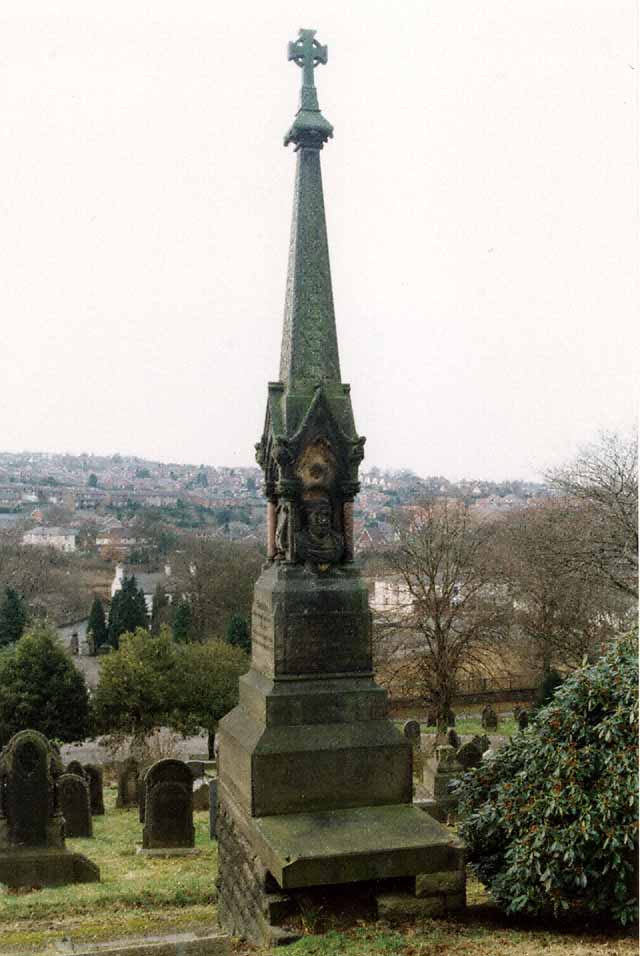
CE D2
The grave of George Ellis. The grave is a small celtic cross on top of a spire on a massive base. He died in 8th October 1871. He was born in Blackburn, his father was a clarinetist and a band leader around the country, he was the eldest of three musical brothers. George was primarily a violinist and at 13 became an instrumentalist with the newly formed choral society in 1830. He joined Wombwell's travelling show in the band. He stayed with them for five years and finished as a band leader and returned home. He became a trainer and leader of local bands. For over 30 years he trianed numerous bands. In 1857 he organised eleven of his bands to play before an audience of 50,000 in Corporation Park. His sons William and Robert were later to follow in his footsteps.
© Gordon Hartley - terms and conditions
CE F
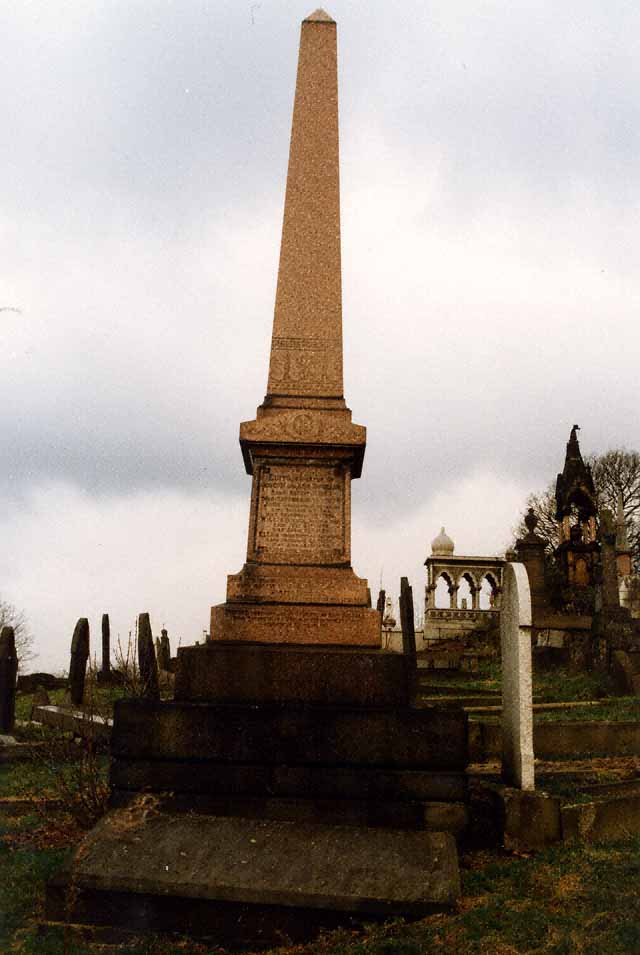
The grave of John Dugdale. This red granite needle is the highest on the hillside. He died on the 21st September 1870. He was born in Clitheroe and once worked in Harrison's Foundry. He left and in 1843 started his own foundry as well as a loom makers and cotton spinning. Eventually he took over from his old employers.
 © Gordon Hartley - terms and conditions
NC A2
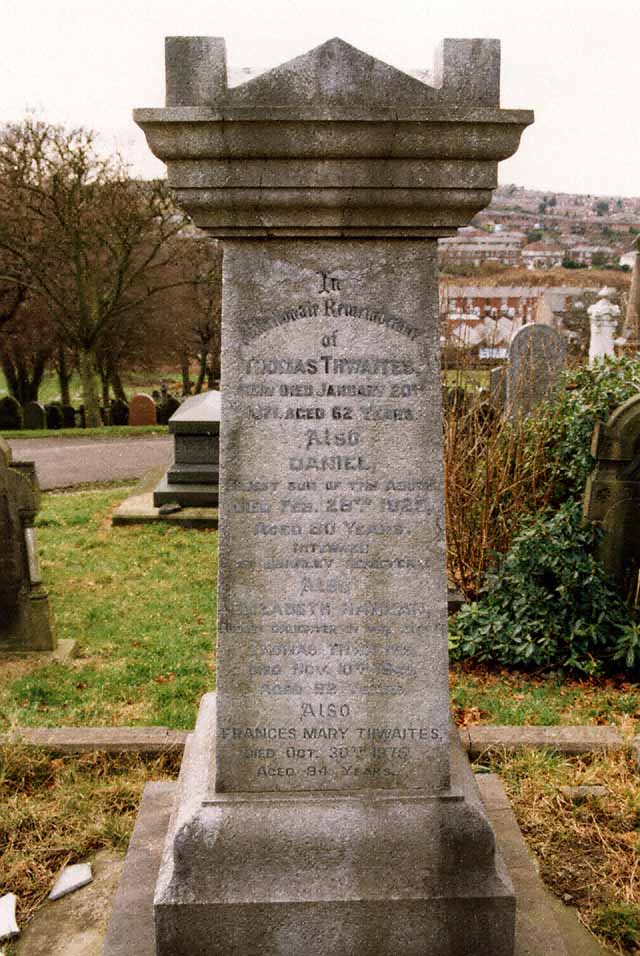
The grave of Thomas Thwaites. An almost square pillar surmounted by pointed arches, each corner having a square block. He died on the 20th January 1871. He was in inaugural Alderman and was Mayor in 1860-1. He was a cotton broker but suffered heavy losses in the year of his mayoralty. He then became a brewer, trading in Accrington although he was not as successful as his brother Daniel. His will left a sum not exceeding £3,000 whilst his brother left £498,608.
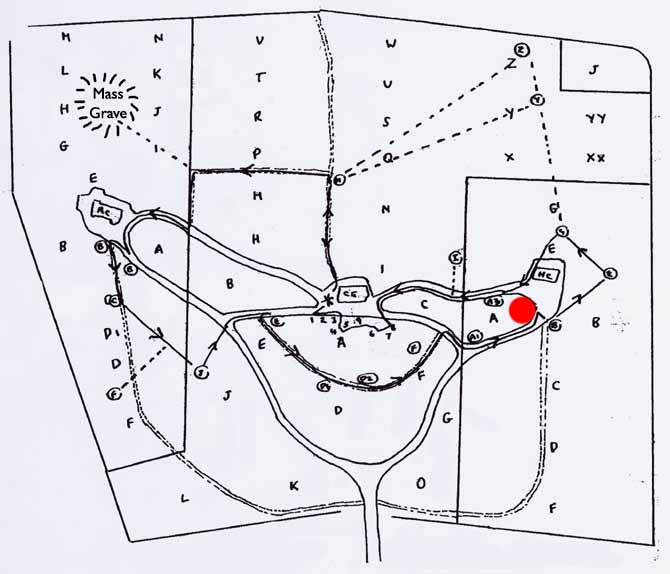
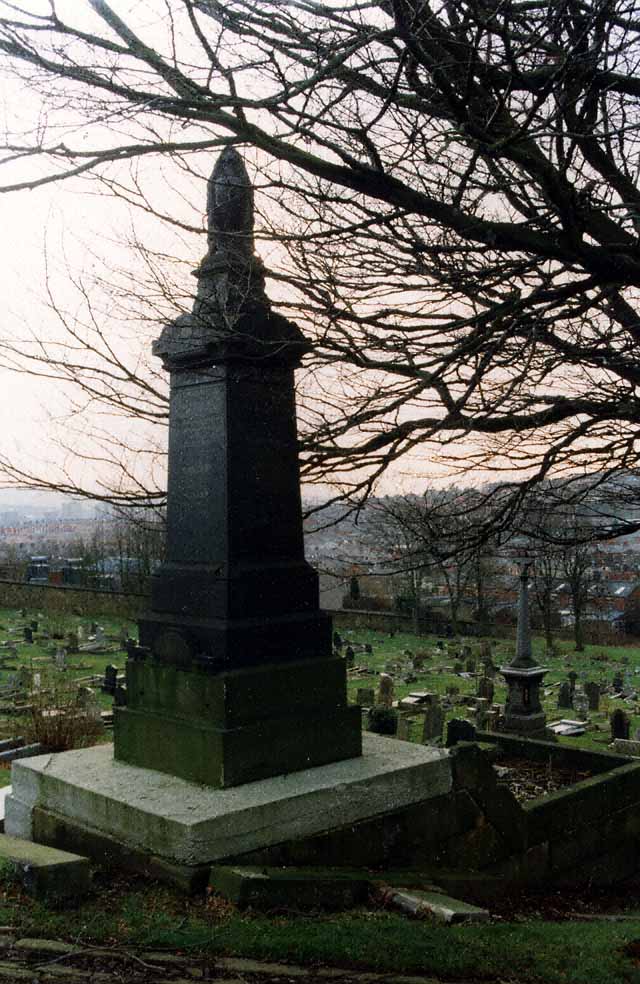
© Gordon Hartley - terms and conditions
NC B
The grave of Henry Livesey. A covered urn on a square pillar under the branches of a tree. He died on the 28th February 1896 and was born in Withnell in 1833. He was a weaver at Hornby's Brookhouse Mill at the time of the great exhibition. He was chosen from a group of men to demonstrate a revised loom. It is said that he was chosen by Joseph Harrison because he was the only one to remove his cap. The Queen received a piece of cloth woven by him at the exhibition. In 1864 he set up in business at Greenbank Mill as a mill furnisher. It remained the only loom-makers not taken over by William Dickinson & Sons and shortly after his death, his sons started making the Northrop loom. He left £24,965 in his will.
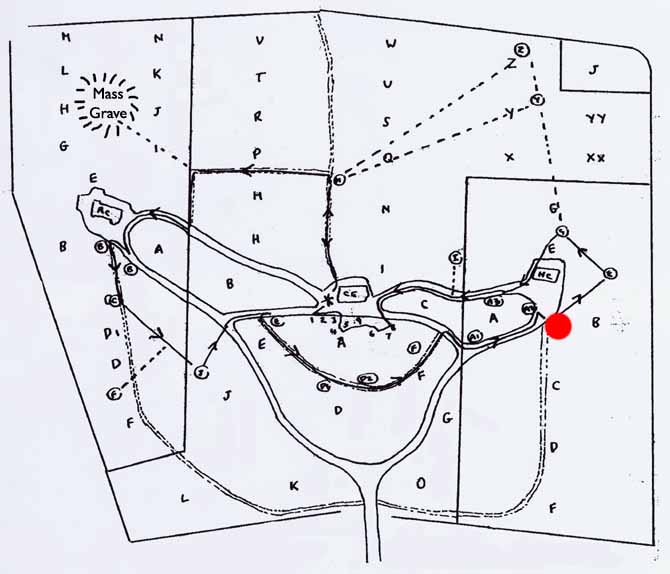
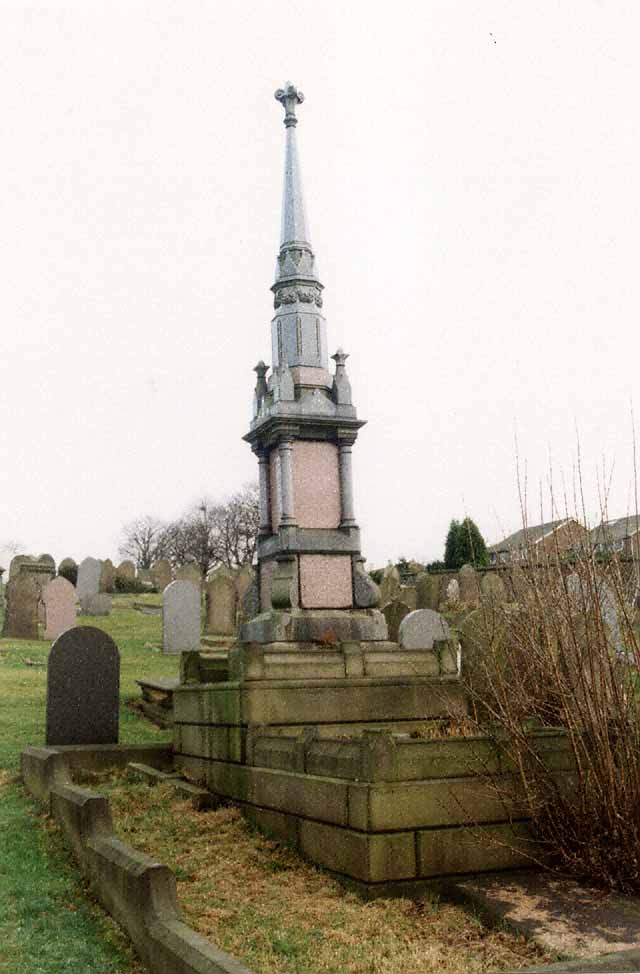
© Gordon Hartley - terms and conditions
NC E
The grave of William Birtwistle. A white spire above a red granite square pillar. He died on the 13th June 1936. He was born in Stanley Street and purchased Billinge Scar from the Yerburgh's. House buying was to become something of his hobby of his, the last house he bought in Preston was his 35th. This cotton magnate owned more looms that any other individual in the world at the time. He was generous to many charities and he held the first driving licence in the town. He owned large yachts and several cars. After the death of his first wife in 1928 he married his 20 year old typist in 1929 when he was 74. He died in nearby Preston.
Birtwistle, Brigadier Arthur
© Gordon Hartley - terms and conditions
NC E
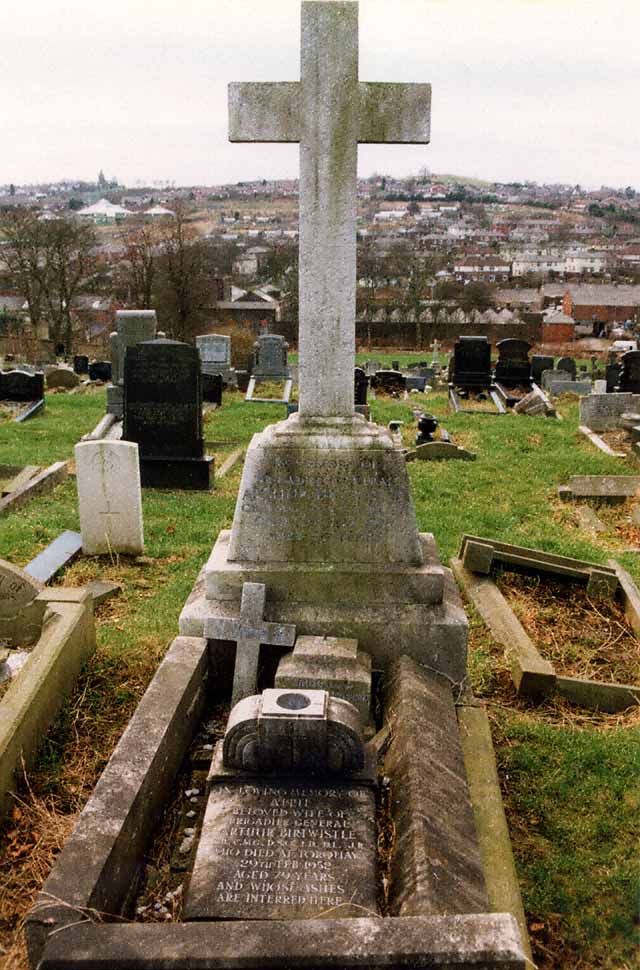
The grave of Brigadier Arthur Birtwistle. His grave is next to fathers and is a plain cross surmounting a weight shaped base. He died in May 1937. He took over Billinge Scar from his father, he was made a Colonel at the end of the First World War. He was the director of a string of companies and was Deputy-Lieutenant of Lancashire. He secured 22 acres at Balderstone from his father for the unemployed. His full-time staff of eight were recruited from the worst hit areas of depression. Blackburn's Ragged School held a field day there each year. His house had 8 gardeners, an 80' swimming pool, seven greenhouses (one of which was 150 feet long) and a garage for six cars.