
 Loading more
Casualties and recollections of surviving soldiers WW2
Memories of the Isabel Horsfield | Photographic Memories of Terence Ashworth | Frank Brooks: A Darwen Man at War
Memories of the Isabel Horsfield
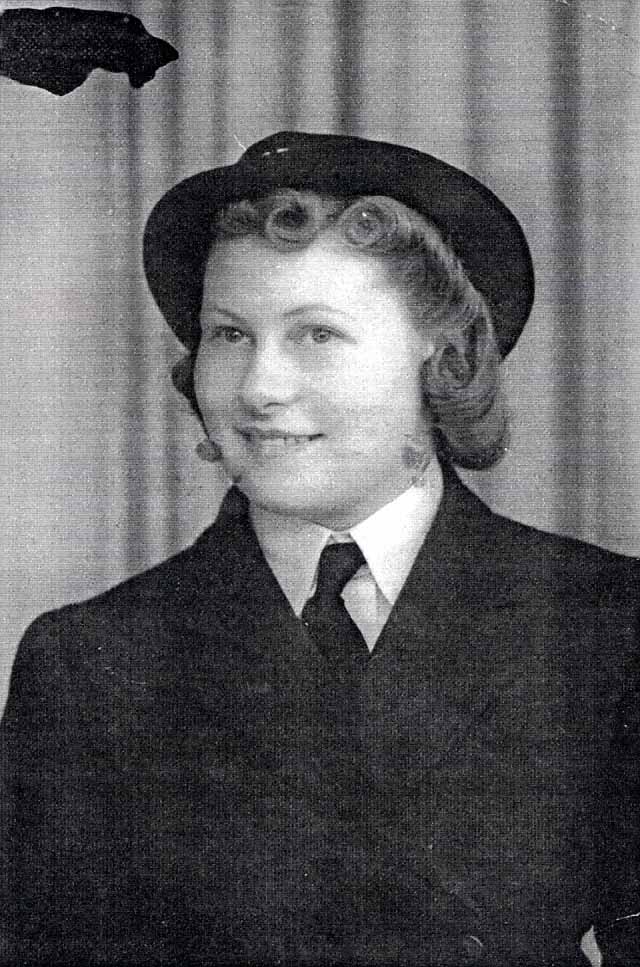 I was a Petty Officer at the Royal Naval College at Greenwich for the duration of the second World War, although lots of Wrens came and went. Being the RNC it was obviously a target for the Luftwaffe, and was bombed on numerous occasions day and night.
One terrifying incident that happened to me was in the middle of the night. The sirens went off, I had to rouse everybody in my cabin and had to get them to the air raid shelters. Before we could reach the shelter, the bomb hit, we were blasted onto the lawn and I landed face down, the bomb had landed only feet away. It seemed like time stood still, although it could only have been minutes it seemed like hours. There were several casualties but one of the Wrens lost her life that night. As I was lying on the lawn there was a deadly silence. But in my mind I was praying, "Preserve me O Lord, for in you I place my trust". That night I was glad he was listening to me.
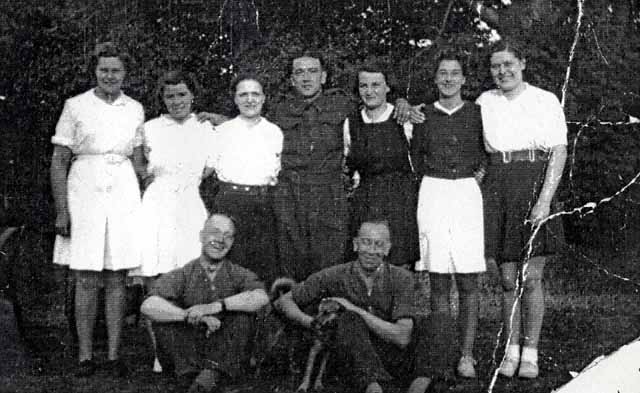
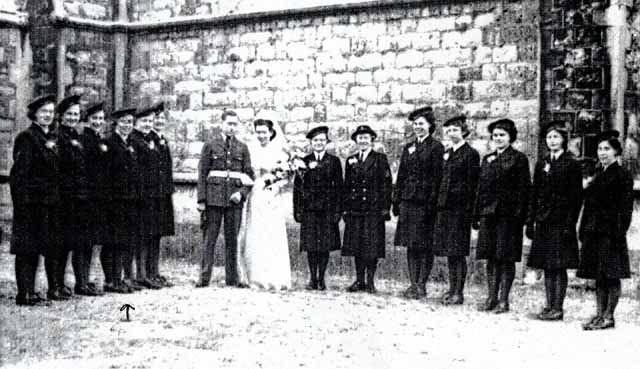
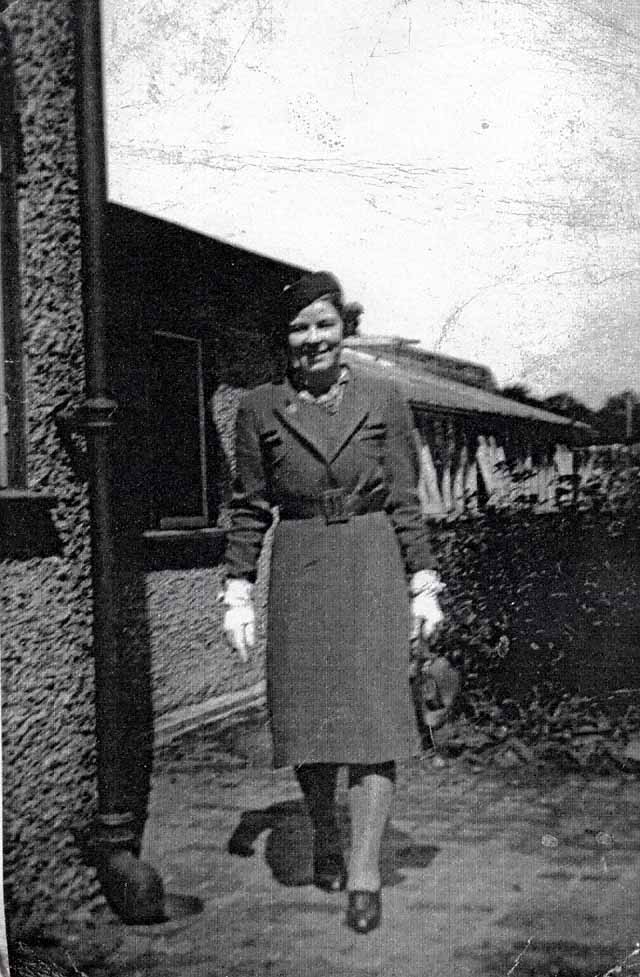
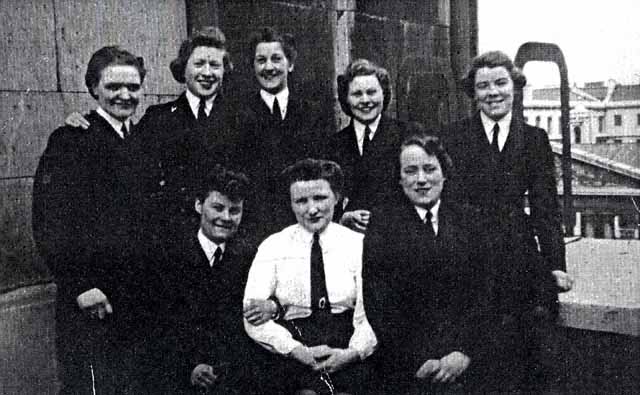
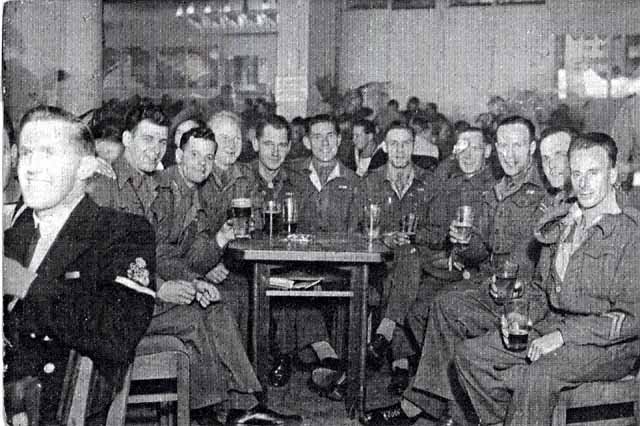
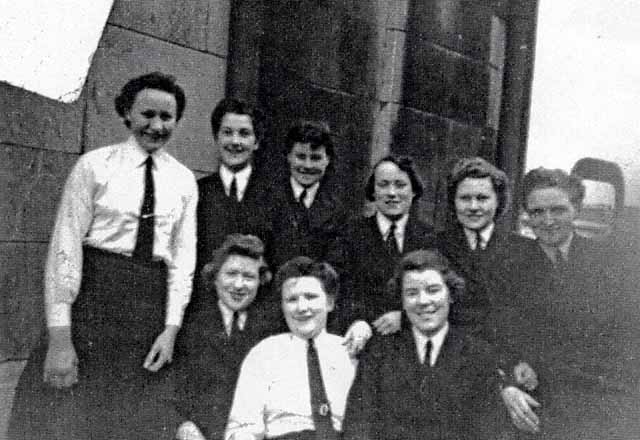
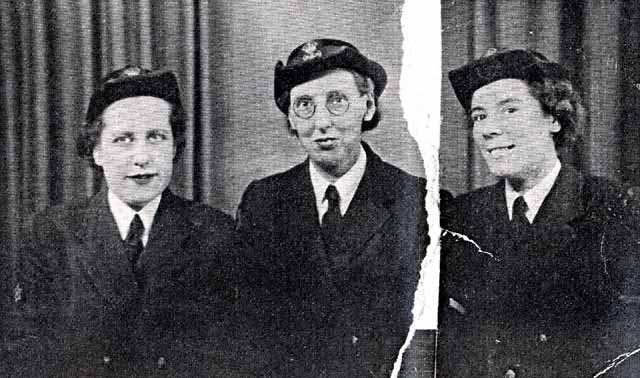
All above images
© Isabel Horsfield - terms and conditions
By Bridie Sutton
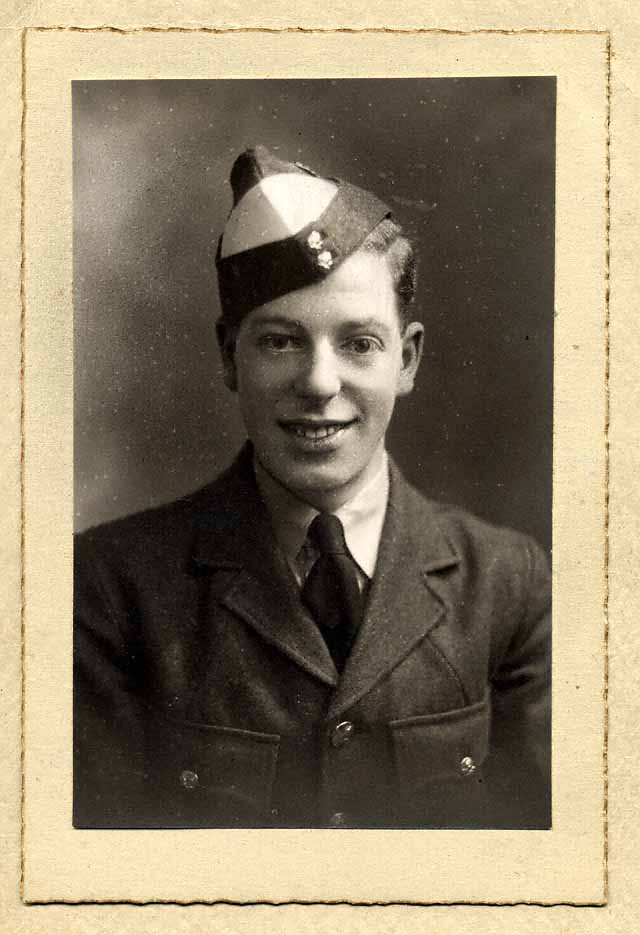
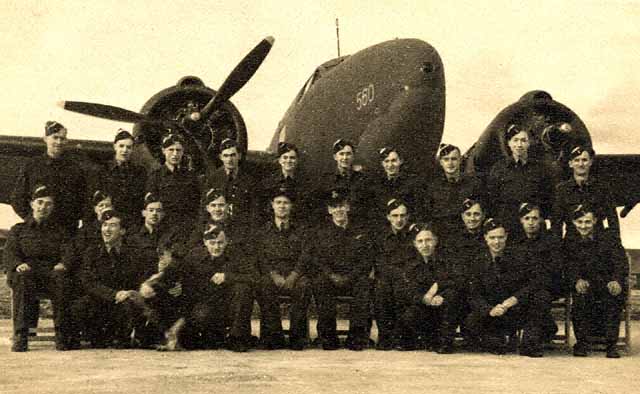
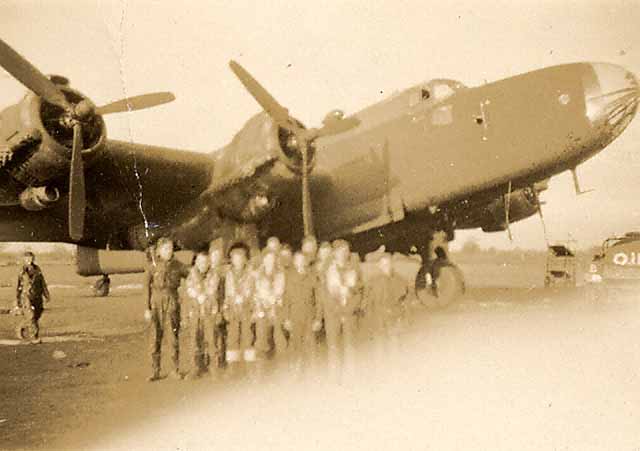
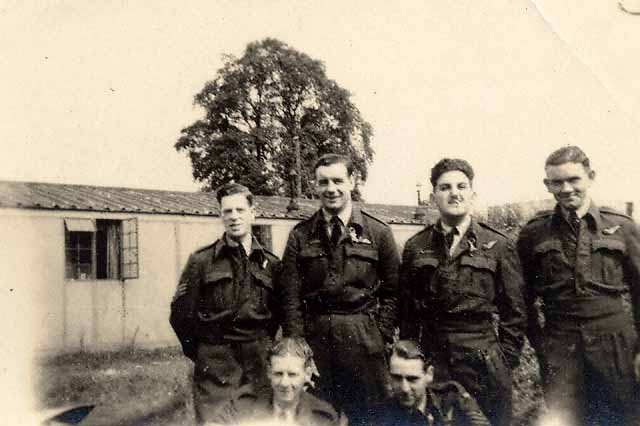
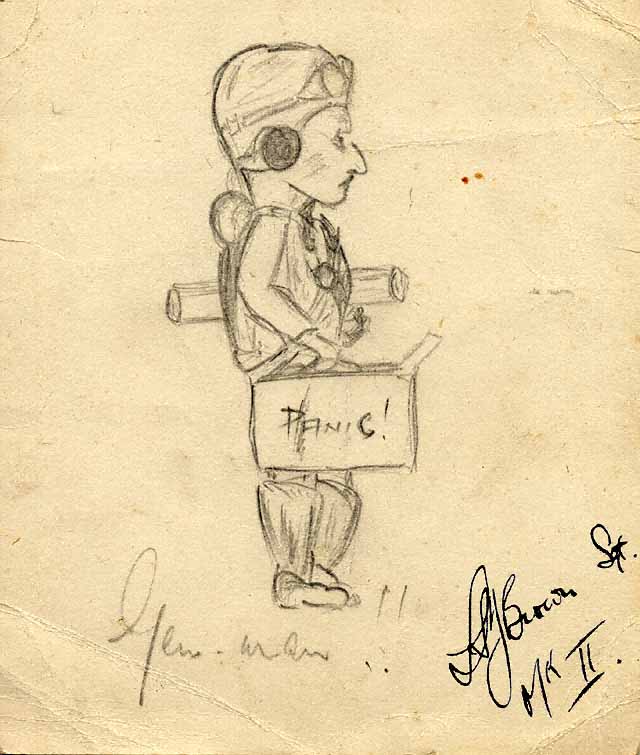
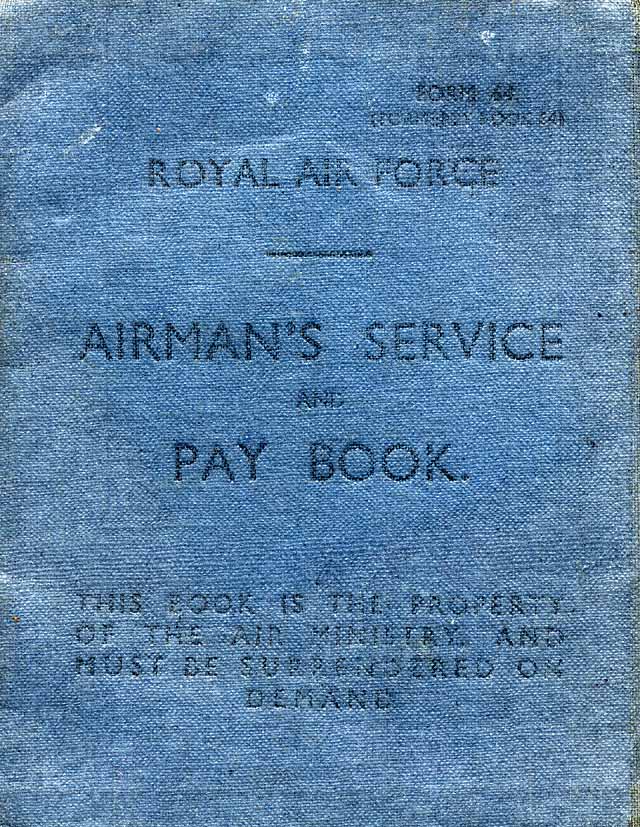
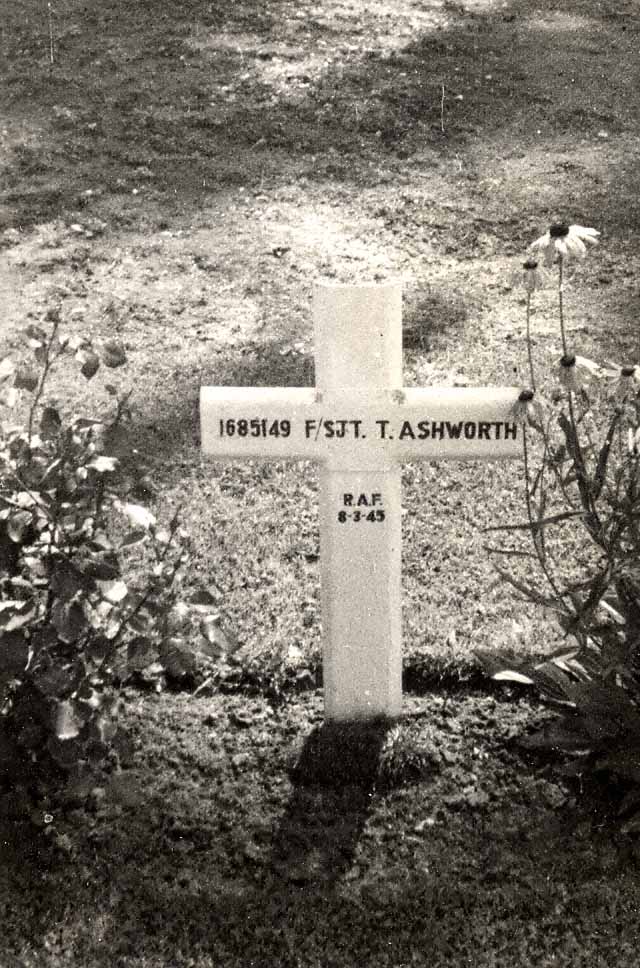
All above images © Bridie Sutton - terms and conditions
Frank Brooks: A Darwen Man At War
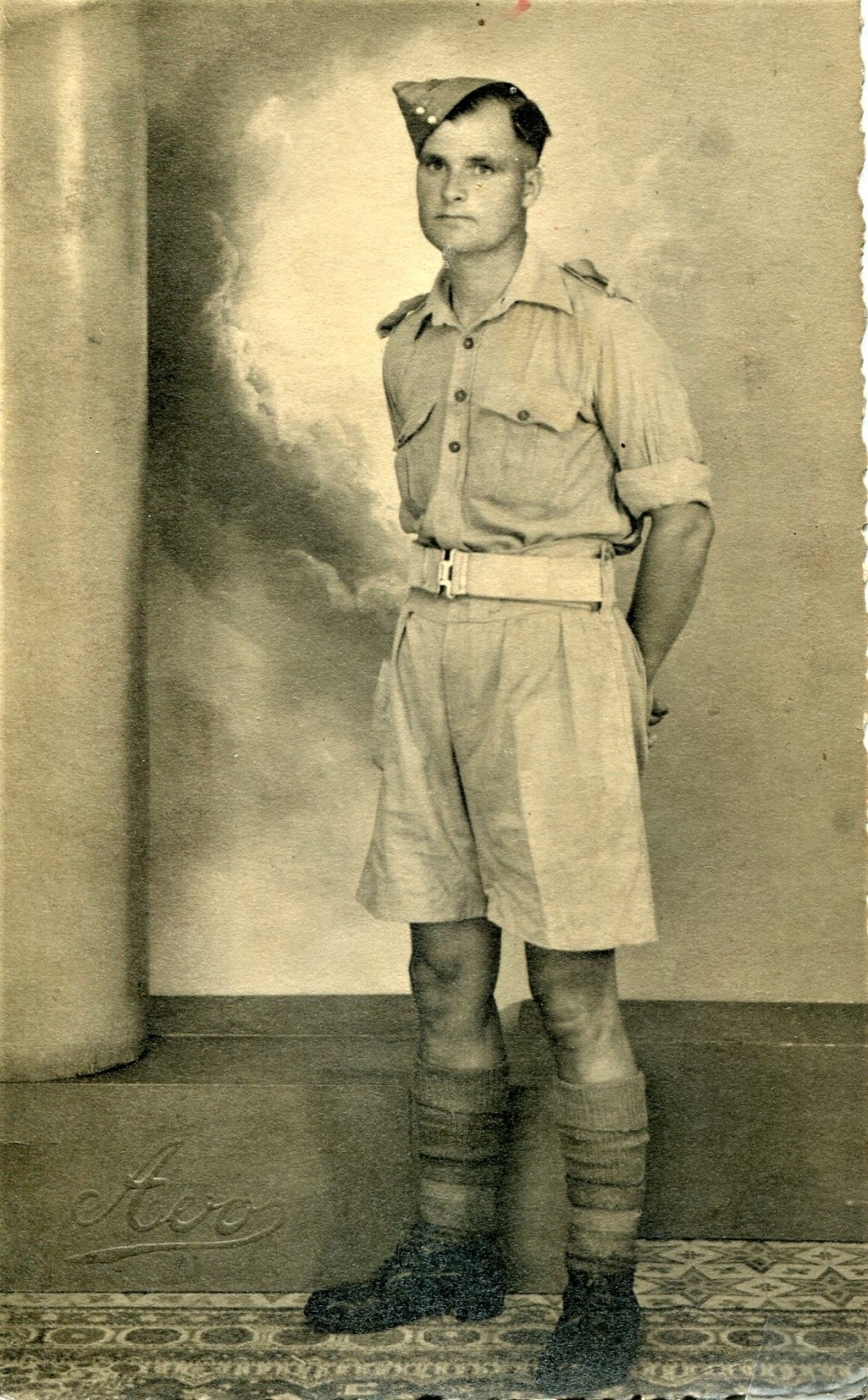
Frank in Egypt
When World War Two started, Frank Brooks was living at The Bungalow on Earnsdale Avenue in Darwen. Frank was a flagger with Darwen Corporation. He had a small allotment and a greenhouse, close to where the Darwen Tennis Club is today. He was very much a country boy and had previously worked on a local farm.
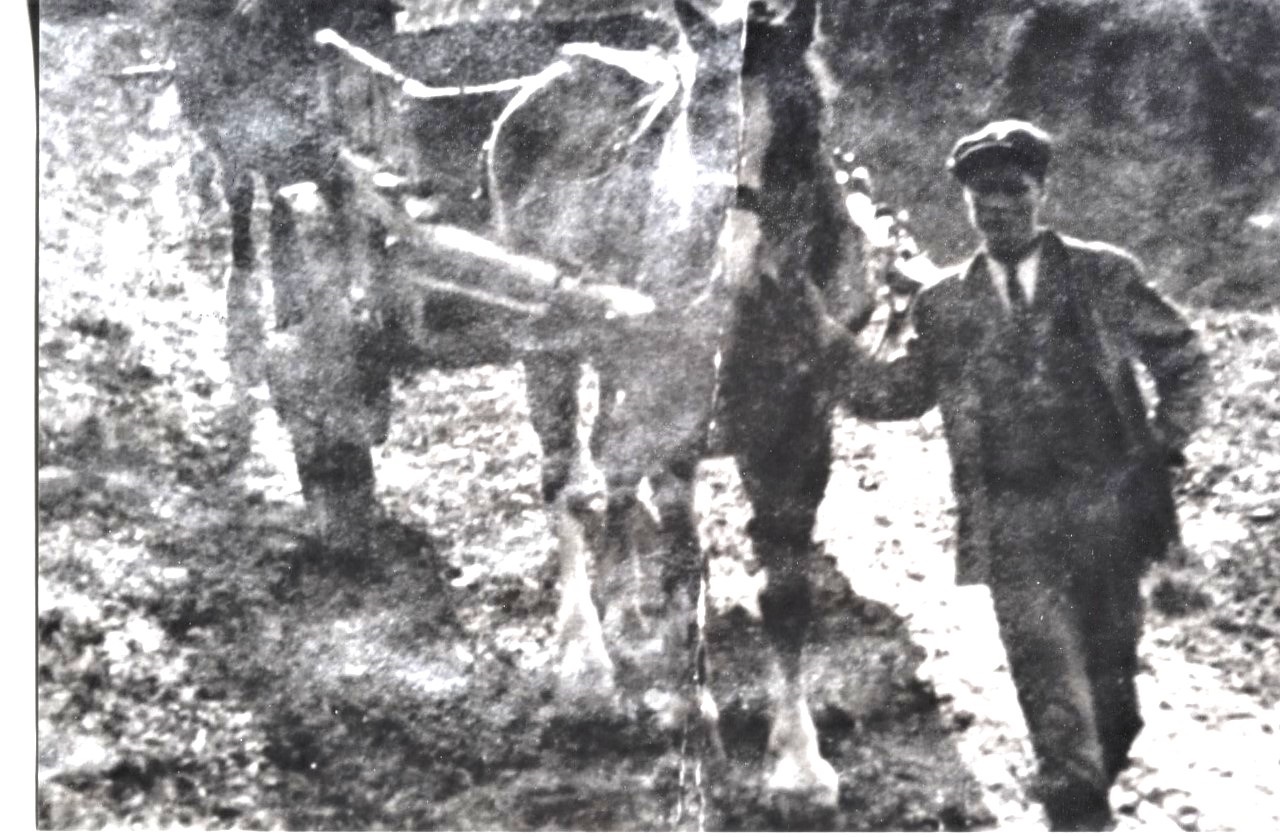
Frank on an unknown farm in Darwen
On July 24th 1941, at the age of 32, Frank enlisted in the Army. He was sent to Oldham for Basic Training in the Pioneer Corps. On October 1st 1941 Frank was posted to a Royal Artillery Training Regiment on Aintree Race course in Liverpool. Six weeks later, Frank left as Gunner F Brooks.
For the next 5 months, Frank was with the 70th Field Artillery Regiment on the South Coast. They were constantly moving their 25 pounder guns to various places on the coast, in preparation for the expected German invasion. The invasion never materialised and, on May 21st 1942, Frank embarked on a troopship bound for Egypt. The Mediterranean Sea had become too dangerous for Allied shipping, so the troopship had to take the long way around South Africa to Suez. This meant crossing the Equator twice in a ship without air-conditioning that probably had the portholes closed, and was packed with soldiers. The voyage took 33 days. A soldier on another Suez bound troopship said that a stopover in Freetown was the worst 5 days of his life. The ship’s metal was almost too hot to touch.
An amazing thing happened on the voyage, and it was reported in a Darwen newspaper at the time. Unbeknown to Frank, his brother Harry, a Navy Engine Room Mechanic, was also on the ship having been posted to a shore base in Suez. Harry was up on deck and needed a light for his cigarette. He tapped a soldier on the back and said “Do you have a light mate”. The soldier said “Yes” and turned round. It was brother! A one in a million meeting.
An amazing thing happened on the voyage, and it was reported in a Darwen newspaper at the time. Unbeknown to Frank, his brother Harry, a Navy Engine Room Mechanic, was also on the ship having been posted to a shore base in Suez. Harry was up on deck and needed a light for his cigarette. He tapped a soldier on the back and said “Do you have a light mate”. The soldier said “Yes” and turned round. It was brother! A one in a million meeting.
By August 1942 Frank was a member of 28th Field Regiment Royal Artillery. This Regiment had been reconstituted, as it had been almost totally destroyed at the Battle of Gaza in Libya in June 1942. This was to be Frank’s outfit for the rest of his service.
By September the Regiment was in Iraq. The British force was there to ensure that a major supply route to the Russians through Basra would be kept open, and to defend against any German advance into Iraq from the North. They were in Iraq for 7 months. In letters home, Frank told of killing a poisonous snake in his mate’s bed and being kept awake at night by howling Jackals and Hyenas. The pay was good but there was nowhere to spend it, he said.
By May 1943, the Russians were pushing the Germans back. In the Far East however, things are not going as well, so in May 1943 Frank’s Unit was posted to India. They sailed from Basra to Bombay. Then a 1,000 mile train ride to Ranchi for several months training in jungle warfare. They were equipped with 3.7 inch Mountain Howitzers and renamed the 28th Jungle Field Regiment. Frank completed a 10 week Signals Course to become a Gunner Signaller. In October 1943 the Regiment moved out by train to Calcutta, and then by troopship to Chittagong. Then on barges to Bawli just inside Burma and another 6 miles up to the front lines facing the Japanese in the Arakan area of Burma. On December 14th 1943, Lord Louis Mountbatten visited the Regiment and addressed the troops. Very impressive to be that close to the enemy and be visited by your Commander. During the next 3 months the Regiment had many engagements with the Japanese. In mid March Frank’s Unit took part in the capture, after heavy fighting, of a hill called The Tortoise. This was the heaviest defeat of the Japanese Army to date and showed that the Japanese soldiers were not as invincible as had previously seemed.
In mid March 1944, the Japanese amassed 100,000 crack troops for a major push into India. They approached the key towns of Imphal and Kohima. If the Japanese succeeded in capturing these towns, the heartland of India would be wide open to them. It became vitally important to stop them before Imphal fell. It was decided to reinforce the Imphal troops with the 5th Indian Division, of which Frank’s unit was a part.
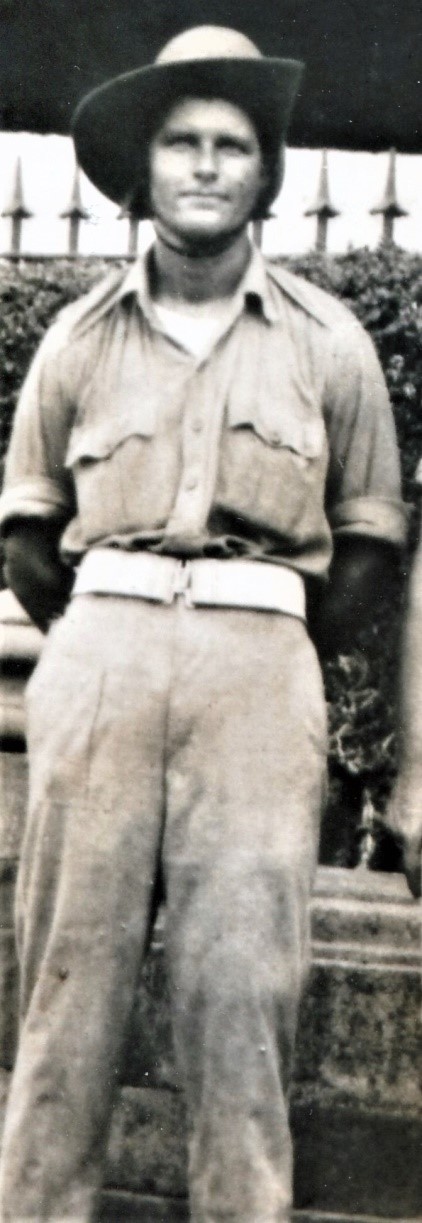
Frank in India
It would take 3 weeks to move that Division by rail and that would be too late to affect the outcome at Imphal. So it was decided to do something that had never been done before – airlift a complete Division. So, on March 19th the 5th Indian Division, consisting of 10,000 to 15,000 men plus all their equipment, howitzers, jeeps, mules, etc. travelled all night to get to Domazari airfield, where 25 American C46 Cargo planes were waiting for them. Frank’s artillery unit had to disassemble their guns and load them, plus their jeeps and mules into the planes. Almost all the men had probably never been on an aircraft before. None of the Divisional Staff had any experience in moving a formation by air, nor had the troops been trained for it.
The Staff drew up loading tables for each plane. Ranks, trades, equipment, etc. were spread around the planes so that if any of them crashed it would not take out all the unit’s trained men, wirelesses, mortars, etc. Fortunately, none of the planes crashed and in just 4 days the 5th Division went from the Arakan front to the Imphal front. A brilliant move that turned the tables in the battle for Imphal. The ability of the Allies to reinforce Imphal by flying in the 5th Division made the difference in the battle. Although it raged on for 3 months the battles for Kohima and Imphal spelled the beginning of the end for the Japanese Army. In just 3 months they lost 53,000 killed and wounded of their 100,000 crack troops. It would now be a long fighting retreat for them. Frank was in the units now chasing them.
Here is what an Officer Historian wrote “During the second half of May, Evan’s 123 Brigade [Frank’s Unit was part of this Brigade] battled North from Sengmai to gain ground along the Kohima Road. Astride the road the three Battalions took their turn in hammering the Japanese. The guns of the 28th Field Regiment supported our attacks. The victory had been very bloody on both sides, but now Frank and his fellow soldiers had to finish off the remaining retreating Japanese soldiers, the vast majority of which would not surrender. Conditions were also extremely bad. There were few roads, lots of rivers, often in full flood from the torrential monsoon rains, stifling heat, steep hills covered with thick jungle, snakes, insects and diseases. Moving the 1800 pound howitzers must have been particularly difficult in those conditions. They were pulled by jeeps but there must have been many instances where manhandling was needed, like crossing swollen rivers or stuck in mud.
In August and September they advanced up the Tiddim Road at the height of the monsoon. Some rivers were so deep and fast flowing that they had to ferry their guns across. On October 9th 1944 they captured Tiddim in Burma, 145 miles from the start at Imphal. They had driven the Japanese out of India. It had taken 6 months and thousands of lives. An Officer Historian wrote “At long last, after 3 months, after a grueling advance along 150 miles of mud surfaced road that had been a constant nightmare … beneath dark skies from which rain had poured with hammering flood and dismal discomfort… after all those weeks of steady plodding and endurance, of struggle against an enemy rearguard and the ravages of malaria, dysentery and the dangerous scrub typhus. Tiddim was ours”
As they were pushing the Japanese back and close to the Burma border, Frank wrote in a letter that he had been in hospital with tonsillitis and a stomach problem. He probably returned to action but was back in the hospital 2 months later on October 25th 1944. Frank died 8 days later from scrub typhus.
An Officer Historian wrote “As the days slipped by, so our casualties mounted. More serious than those wounded by shell or shot were the many who lay dangerously ill with scrub typhus. Evacuation by air was impossible, and the appalling journey back up the road, 30 or 40 miles in jeeps specially fitted with stretchers, caused a number of men with typhus to die of heart failure”. Frank died on November 2nd 1944. Three weeks later, his outfit, the 5th Indian Division was pulled back to Imphal to rest and regroup. Here is what an officer wrote “The Division has earned its rest. It has been fighting without break for 14 months. In the course of its advance down the Tiddim Road, it had killed 1316 Japanese, fresh corpses on the ground. It had wounded 533 who were seen being helped away from the battlefield and had taken 53 prisoners. Our own losses during that period had been 88 officers and men killed, 293 wounded and 22 missing. This has been an outstanding advance in the face not only of an enemy fighting a stiff rearguard action over nearly 200 miles, but of the very serious diseases, the worst furies of the monsoon, mud and steep places on a tortuous road, and a host of administrative difficulties”.
After the war Frank’s family did not know his story, as he never came home to tell it. All letters from him were heavily censored. It was many years later that Army records were obtained and his story could be pieced together.
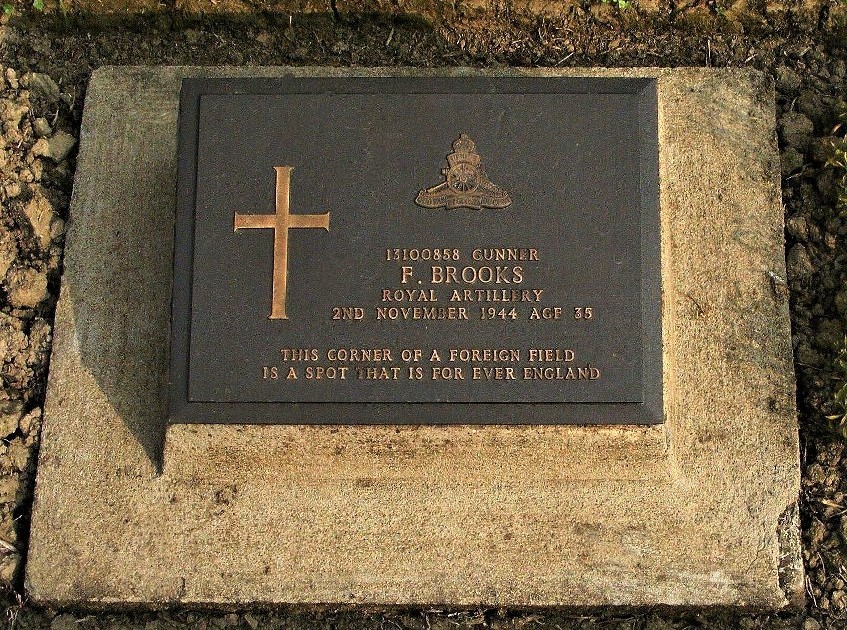
Frank lies buried in the Imphal British Military Cemetery
Article and photographs by Ken Brooks, January 2020