
 Loading more
Local Heroes WW1
Percy Thompson Dean V.C. | John Rimmer World War 1 Hero | John Schofield, V.C.
William Grimbaldeston, V.C. | Catherine (Katie) Johnson | Henrietta Edith Davies
Percy Thompson Dean Local V.C.
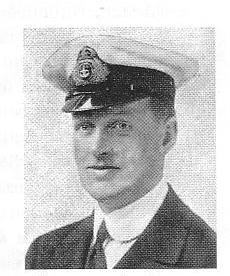
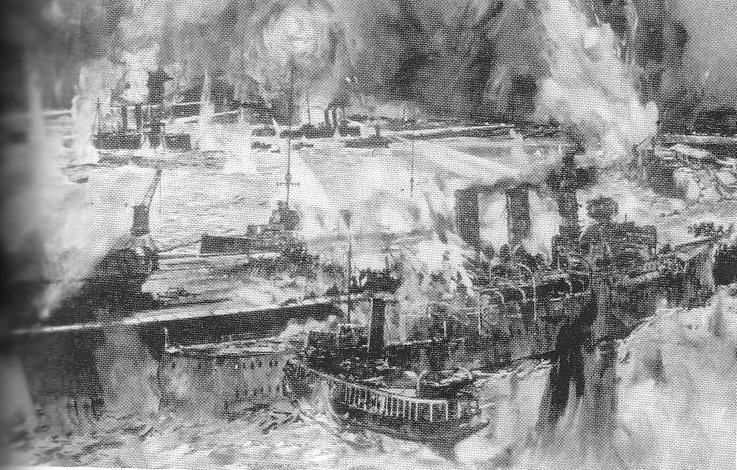
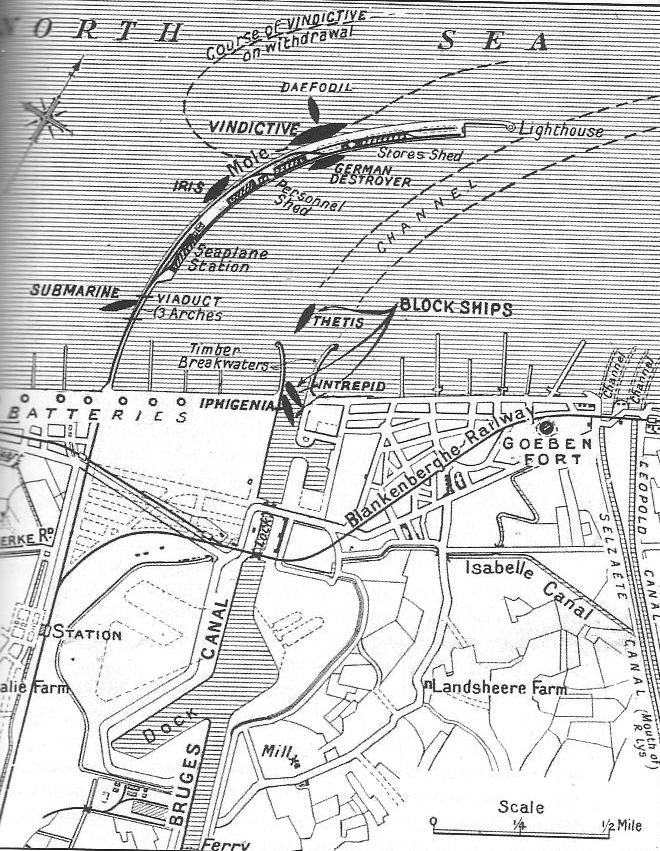 A map of Zeebrugge Harbour showing the positions of the British ships and the German defensive batteries.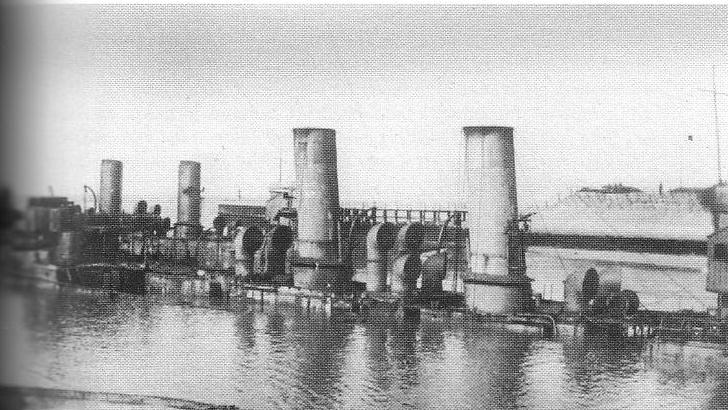
A German photograph of the two blockships which were sunk in the canal;
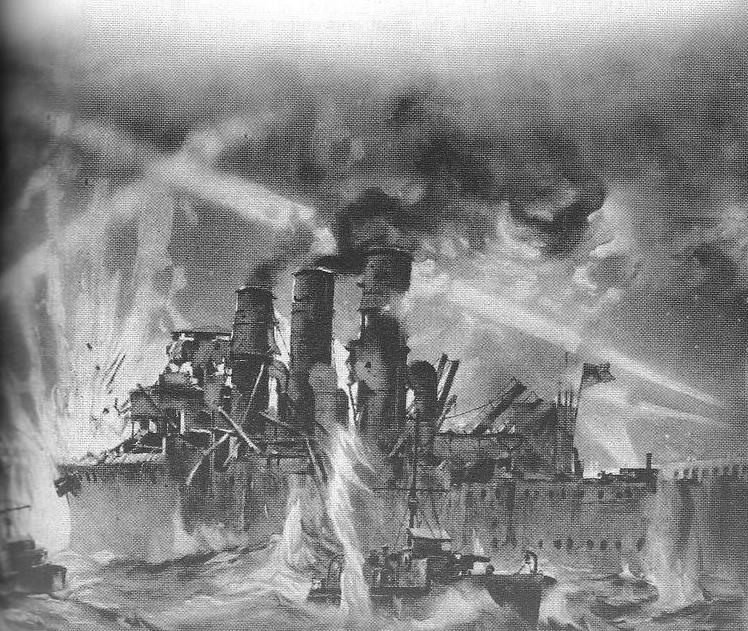
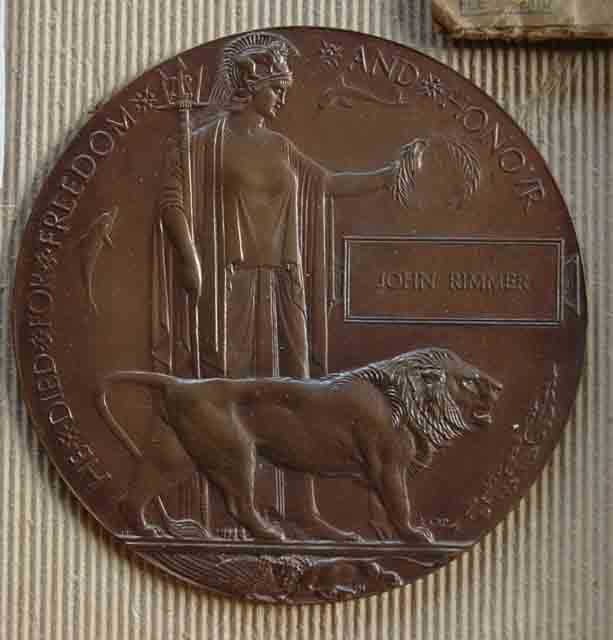
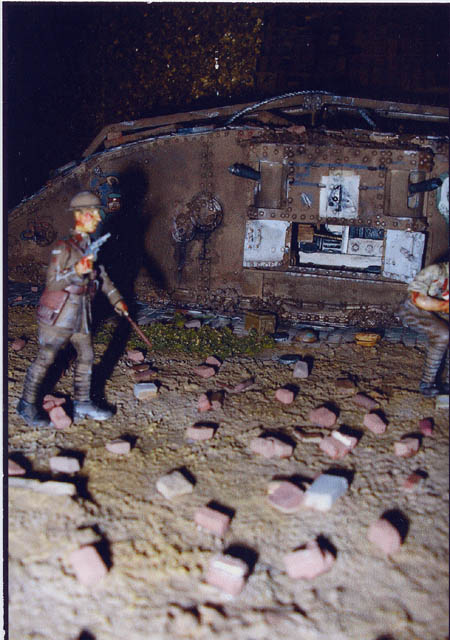
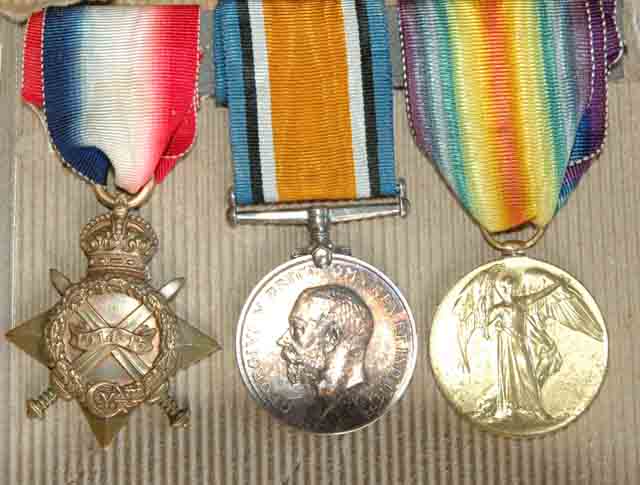
John Rimmer World War 1 Hero
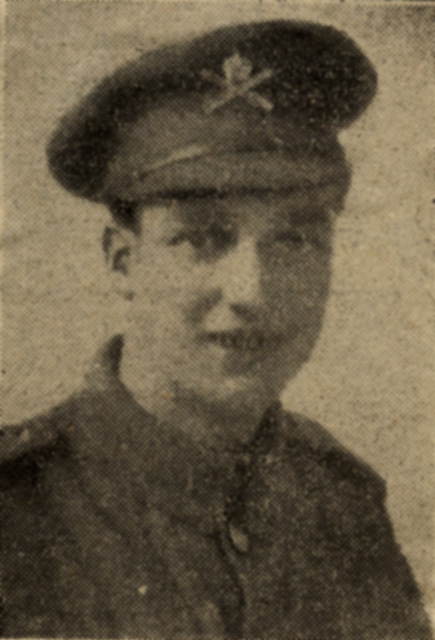
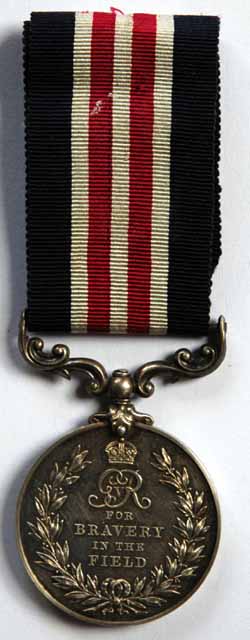
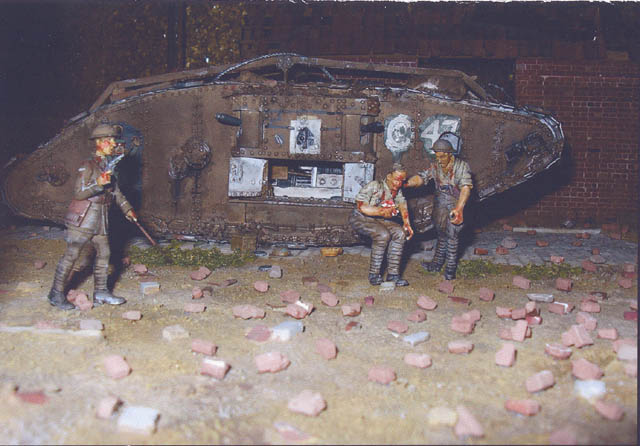
© Phillippe Gorczynski - terms and conditions
.jpg)
© Phillippe Gorczynski - terms and conditions
© Phillippe Gorczynski - terms and conditions
John Schofield, V.C.
2nd/5th (Territorial) Battalion, Lancashire Fusiliers, Givency, 9th April, 1918,
Blackburn Weekly Telegraph, Saturday June 29, 1918
“For Valour", Victoria Cross for the late Lieutenant Schofield.
Gratification at the news that another Victoria Cross is conferred upon a Blackburn soldier is tempered by the unhappy act that the gallant young officer who gained it- Second-Lieutenant John Schofield, of the Lancashire Fusiliers – gave his life in the act which won for him the proudest badge the King can bestow. “Killed whilst leading his men into action on April 9" was the brief official description of his end, as was published in in our columns on the 20th of that month, and the news occasioned sincere regret to his friends and deep sympathy for his mother, Mrs John Schofield, of Wycollar Road, who lost another soldier son, Corporal Fred Schofield (R.F.A.), in action about two years previously, and had also been widowed within the same period.
In business with his father as a wholesale fish salesman before joining the Army Service Corps soon after the outbreak of War, Lieutenant Schofield served first in the ranks in Salonica, and, having obtained his commission, went to France last November, and gained a reputation as a fearless and intrepid soldier in the actions in which his famous regiment took part.
The Captain of his battalion, in a letter to Mrs Schofield sympathising with her in the loss of her gallant son, wrote:
“It is difficult, almost impossible, to tell you of his bravery and cheerfulness under the very abnormal conditions we were fighting in on the 9th. I am not exaggerating when I say that of the many brave, fine men I have seen in action out here your son stands out almost alone. The officers and men, not only of his battalion, but of neighbouring ones, too, are full of tales of him and his extraordinary pluck. During the day I sent him, with a small party of ten men, to work a trench and clear it of the enemy. He did this, and sent me a message saying he had met a large party of the enemy, much further up than I thought he would be able to go. I was luckily able to send another party to reinforce him, but when the party arrived your son had already taken forty prisoners with his original forces…….The next thing I saw was a party of 128 prisoners “sent down by Mr Schofield", as their escort proudly informed me. This was almost immediately followed by news of his death. He had been hit by a machine gun, and just murmured, “Send someone to help me down", and passed quietly away. It was all over very quickly, and I thank God that a brave, cheerful soul was spared any long-drawn-out pain. All day long he was laughing and joking about his work, and told one of my officers that I don't need my revolver; I just shout at them, and they come, calling “Kamerad". I reckon that he took some 170 prisoners off his own bat in that one day by sheer pluck and initiative….Personally, I have lost not only a fine officer, but a cheerful, good comrade, and friend, by his death".
Lieut. Schofield, who was 26 years of age, was educated at Arnold House School, Blackpool, and was a well-known and popular member of the East Lancashire Tennis Club, and formerly of the Golf Club. His kindly nature and cheerful disposition gained him a host of friends. These, and also his fiancée, Miss Ethel Hargreaves, of Duke's Brow, and others near and dear to him, will find pride and consolation in their sorrow that the proud badge “For Valour" has come as a memorial of his gallant services.
The official announcement (which appeared in the London Gazette, 28th June, 1918) of the bestowal of the Victoria Cross upon Lieut. Schofield is in the following terms:
The King has been graciously pleased to confer the Victoria Cross upon Second Lieutenant John Schofield, late Lancashire Fusiliers, for the most conspicuous bravery and devotion to duty. Second Lieutenant Schofield led a party of nine men against a strong point which was reported strongly held by the enemy, and was attacked by about 100 of the enemy with bombs. He disposed of his men so skilfully, and made so good a use of his rifle and Lewis gunfire, that the enemy took cover in dug-outs. This officer himself then held up and captured the party. With the help of other parties the position was then cleared of the enemy, who were all killed or captured. He then collected the remainder of his men, made the party to ten, and proceeded towards the front-line, previously informing his officer as to the position, and that he was proceeding to take the front-line. He met a large number of the enemy in a communication trench in front of him. His party opened rapid rifle fire, and he climbed out on the parapet in point-blank range of machine gun fire, and by his fearless demeanour and bravery forced the enemy to surrender.
As a result, 123 of the enemy, including several officers, were captured by Second Lieutenant Schofield and his party.
This very gallant officer was killed a few minutes later.
The following article appeared in "The Blackburn Times", 29 June 1918
Blackburn Officer's Posthumous V.C.
Party of Ten Capture 123 Germans
Last night's “London Gazette" announced that the King has been pleased to approve of the award of the Victoria Cross to Second Lieutenant John Schofield, late Lancashire Fusiliers, for most conspicuous bravery and devotion to duty in operations. The official account of his gallant deed is as follows:-
Second-Lieutenant Schofield led a party of nine men against a strong point which was reported strongly held by the enemy, and was attacked by about 100 of the enemy with bombs. He disposed of his men so skilfully, and made such good use of the rifle and Lewis gun fire, that the enemy took cover in dugouts".
This officer himself then held up and captures a party of 20. With the help of other parties, this position was then cleared of the enemy who were all killed or captured.
He then collected the remainder of his men, made his party up to ten, and proceeded towards the front line, previously informing his commanding officer as to the position, and that he was proceeding to retake the front line. He met large numbers of the enemy in a communication trench in front of him and in a drain on his right and left.
His party opened rapid rifle fire, and he climbed out on to the parapet under point blank machine gun fire, and by his fearless demeanour and bravery forced the enemy to surrender.
As a result 123 of the enemy, including several officers, were captured by Second-Lieutenant Schofield, and his party.
This very gallant officer was killed a few minutes later.
Twice rejected for the Army.
Second-Lieutenant John Schofield was the elder son of Mrs. And the late Mr John Schofield, 16, Wycollar-road, Revidge, and unfortunately fell in action in France on the day he performed the deed for which the V.C. has been awarded. He was one of the patriotic young men who early in the war offered his services to the country in its hour of need. Twice he was rejected because of his impaired eyesight, but eventually was accepted, and posted to the Army Service Corps for clerical work. In this capacity he served in Salonica for about eighteen months, but returned to this country to qualify for a commission, his opinion being that married men ought to have less dangerous berths. This was the spirit that animated him. He was anxious to take more than a passive part in the great fight for freedom and liberty. He was gazetted to the Lancashire Fusiliers and went to France with that famous regiment in November of last year. He quickly gained a reputation as an intrepid soldier, and was particularly daring on certain patrol work which he undertook.
Glowing Tributes to His Gallantry
Mrs Schofield has received several letters from her son's superior officers, in which they pay glowing tributes to his gallantry.
His Captain writes:- “No doubt you will have heard of your son's death on the 9th April. It is difficult, almost impossible; to tell you of his bravery and cheerfulness under the very, abnormal conditions we were fighting under on the 9th. I am not exaggerating when I say that of the many brave, fine men I have seen in action out here your son stands out almost alone. The officers and men, not only of this battalion, but of the neighbouring ones, too, are full of tales of him, and his extra-ordinary pluck. During the day I sent him with a small party of ten men, to work up a trench and clear it of the enemy. He did this , and sent me a message saying he had met a large party of the enemy, much further up than I thought he would be able to go. I was luckily able to send another party to reinforce him, but when the party arrived your son had already taken forty prisoners with his original forces. The next thing I saw was a party of 123 prisoners “sent down by Mr Schofield" as their escort proudly informed me. This was almost immediately followed by news of his death. He had been hit by a machine gun, and just murmured, “Send someone to help me down", and passed quietly away. It was all over very quickly, and I thank God that a brave, cheerful soul was spared any long drawn out pain. All day long he was laughing and joking about his work, and told one of my officers “that I don't need my revolver, I just shout at them and out they come, calling Kamerad". I reckon that he took some 170 prisoners off his own bat in one day, by sheer pluck and initiative……Personally, I have lost not only a fine officer, but a cheerful, good comrade and friend, by his death."
The Lieutenant-Colonel of the Lancashire Fusiliers in his letter said: “Please accept my very sincere sympathy both on behalf of the battalion and myself in your great sorrow. Your son, Second-Lieutenant John Schofield, was a magnificent officer, absolutely fearless and a great leader. In the German attack on the 9th April, it was largely owing to his bravery and courage that we succeeded in clearing the enemy out of our part of the line and holding it secure. He was killed, I understand, instantaneously, as he finished taking prisoner a large number of the enemy, by a bullet from a rifle or machine gun. His loss is one which we shall feel deeply. Once more allow me to offer you my deep sympathy.
Under the date April 24th, the chaplain wrote “I am sorry not to have written to you before. I want to tell you how sorry I am for you in the loss of your son, who was killed in the battle here on April 9th, Captain – will have told you how magnificently he did that day behaving in the most fearless way possible. I suppose he contributed more than anyone else to the success in this particular part. It came as a terrible blow to all of us when we heard he had been killed. I buried him here a day or two later with several others who had been killed in the battle. The loss to the battalion of such a good officer and such a splendid man is very great, and I can only guess what it must mean to you. We have out a cross over his grave, and, of course, I was able to read the funeral service. Please accept my most sincere sympathy, and may God hold you at this time.
In Civil Life
Lieutenant Schofield was 26 years of age. Commencing his education at Blackburn C.E. Higher Grade School, he afterwards proceeded to Arnold House School, Blackpool. Later, he joined his father, the late Mr John Schofield, in business as a wholesale fish and game salesman at the Blackburn Fish Market. He was connected with St Silas's Church, and also attended the Gospel Hall Sunday School, Victoria Street. A member of East Lancashire Tennis Club and formerly of the Golf Club, he was exceedingly well known, and the recognition of his bravery will be some consolation to a large circle of friends, by whom his death is deeply regretted. The deceased officer was engaged to be married to Miss Ethel Hargreaves, “Alexandria", Duke's Brow. His only brother, Corporal Fred Schofield, R.F.A. was killed in action on the Somme, in July 1916. The father passed away on May 24th last year.
Private J.W. Gregson, a Mill Hill soldier, who has been awarded the Military Medal for gallant conduct on April 9th, was with Lieutenant Schofield a few minutes before his death, and Corporal W. Jenkinson, another Blackburn member of the Lancashire Fusiliers to receive a Military Medal, was present at the funeral service.
Blackburn's Third V.C
The first Blackburn man to win the V.C. was Private (now Corporal) James Pitts of the Manchester Regiment, on January 6th, 1900, in the South African War. Corporal Pitts rejoined his old regiment in the early days of the present war, and is serving “somewhere in France". The second man to win the much coveted honour, and the first in the present war was Sergeant (Acting C.Q.M.S) William H. Grimbaldeston, King's Own Scottish Borderers, who captured singlehanded a block house, took 36 prisoners, with six machine guns and one trench mortar. It was conferred upon the gallant soldier in September last. Lieutenant Schofield is the third man upon whom the distinction has been conferred but in his case the honour is posthumously bestowed.
William Grimbaldeston, V.C.
William Henry Grimbaldeston, Victoria Cross and Croix de Guerre
Sgt. (Acting Company-Quarter-Major- Sergeant)
1st Battalion, King's Own Scottish Borderers
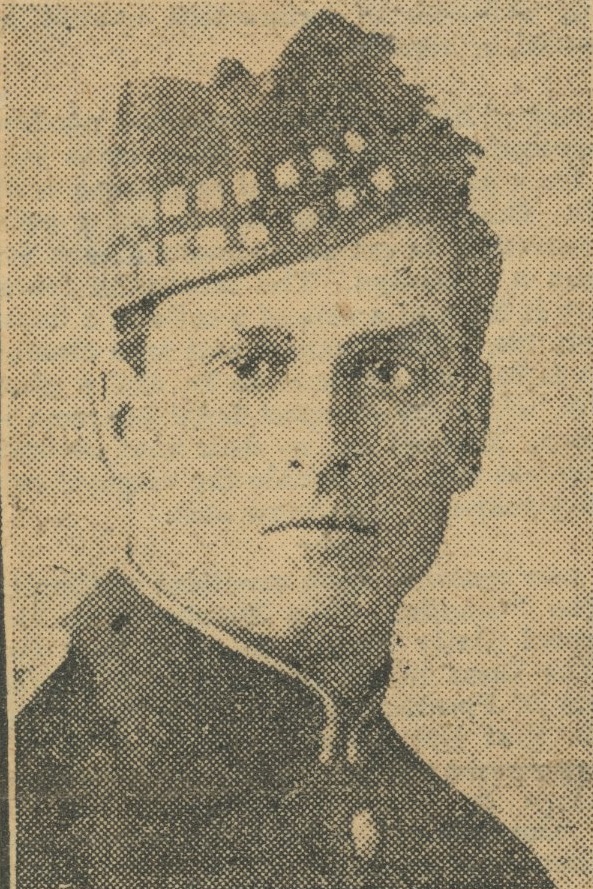
Quarter-Master-Sergeant W. H. Grimbaldeston, V.C.
Northern Daily Telgraph, September 15th, 1917
“For most conspicuous bravery in attack.
Noticing that the unit on his left was held up by enemy machine-gun fire from a blockhouse, though wounded, he collected a small party to rifle grenade on this blockhouse. He then got a volunteer to assist him with rifle fire. In spite of very heavy fire from the blockhouse he pushed on towards it, and made for the entrance, from which he threatened with a hand-grenade the machine-gun teams inside the block-house.
These he forced to surrender one after another. The extra-ordinary courage and boldness of Company-Quarter-Sergeant Grimbaldeston resulted in his capturing thirty-six prisoners, six machine guns, and one trench mortar, and enabled the whole line to continue its advance."
The authors of “The Four Blackburn V.C.s", Raymond Walsh and George Kirby vividly describe their impression of the Battle:
“If only one word could describe the horror and tragedy of the Great War, no better word could be chosen than the name of the tiny Flemish village of Passchendaele.
Until 1917, Passchendaele was only a small dot on a map of Belgium; today, it is a quiet little village resting in the agricultural district north-east of Ypres; yet in the autumn of 1917, during one short period of madness in the history of Europe, its very name symbolised everything that we now associate with the Great War. Men fought and died in the mud of Flanders; young lives were thrown away as precious yards of ground were won, and lost, and won again; horses, tanks and equipment, sank in the morass of Passchedaele. Within a few weeks, the battle-ground resembled the lunar landscape".
Nothing could have prepared William, or those countless others, from both sides, from the carnage and horror experienced during this arduous campaign.
William was born in Hickory Street, Blackburn, on 19th September, 1889. His parents, Thomas and Isabella had a large family, and, on leaving school at 13 years old, William went to work in the “Mill". Prior to his enlistment he had worked in numerous mills including Ciceley Street Mill, Cherry Tree Mill and Rockfield Mill.
Before enlisting with the King's Own Scottish Borderers, William had served as a Gunner in the 1st East Lancashire Brigade, Royal Field Artillery and Territorial Force. After enlistment, William joined the regiment at Berwick-on Tweed, 5th September 1914, and, along with the 7th (Service) Battalion of his regiment, he went to France, 10th July, 1915 and took part in the Loos offensive. The King's Own Scottish Borderers, forming part of the 15th Infantry Division, were in the centre of the attack which opened 25th September, 1915. All the officers of Grimbaldeston's section became casualties, and, he himself was wounded in the left hand. Kirby and Walsh refer to William's “utter fearlessness" as he placed himself at the head of the leaderless men and, inspired by his example, they charged the German trenches and captured their objectives. During the battle he noticed that the clothing of a comrade had caught fire. William managed to extinguish the flames, burning his wounded hand in the process but he still continued to lead his men.
The injury sustained to his left hand resulted in the amputation of his third finger and he returned to England for hospital treatment. Towards the end of this six month period, William married Miss Sarah Ellen Woodcock, at Chapel Street Congregational Church in Blackburn.
William returned to France with the 1st Battalion of the King's Own Scottish Borderers during September 1916.
Significant military preparations were made by both sides prior to the Third Battle of Ypres. For the purpose of understanding William's endeavours it is necessary to record that the Germans had constructed a series of fortified concrete “pill-boxes" or blockhouses, protecting teams of gunners across the whole of the Ypres Salient.
The Allied attack commenced on 31st July 1917 and extended over a distance of some 15 miles. The King's Own Scottish Borderers belonged to the 87th Brigade of the 29th (“The Indomitable") Division, who were tasked with crossing the Steenbeek River, a mile north-west of Langemarck, in order to consolidate the area around the village of Wijdendrift. The Scottish Borderers suffered major casualties during this deployment as a result of a mustard gas offensive.
At Zero hour (4.45am.), 16th August, 1917, the King's Own Scottish Borderers advanced with the 1st Battalion of the Border Regiment to their rear, but less than half an hour later, their progress was halted by machine gun fire from a pill-box close to Montmiral Farm, approximately 500 yards north of Wijdendrift. According to Kirby and Walsh, the pill-box, or blockhouse, that was holding up the advance was “bristling with machine guns and strongly garrisoned". Capturing the post seemed an impossible task. In spite of his company officer's doubts that the blockhouse could be taken without a massive preliminary bombardment, William set off armed with only a rifle and a hand grenade. He was subjected to heavy fire from the enemy but reasoned that others would follow if he made the first move. It was only when he had advanced about a hundred yards that another soldier moved forward to provide covering support. Wounded in the arm, William achieved his objective and made it to the blockhouse. His following actions attest to his sheer bravery and humanity. Speaking to the German officer in command he threatened to throw his grenade into the shelter. The officer and thirty-six of his men surrendered and the military advance continued. With the benefit of hindsight it is also possible to suggest that William was responsible for saving the lives of these soldiers. Given his precarious position in advancing to the pill-box he could have quite easily have taken the decision to throw the grenade into the shelter without attempting to provide an option to surrender.
Sadly, in the following days William and his battalion were subjected to heavy mustard gas shelling and he was so badly affected by the poison that he was admitted to hospital and removed to England. He was taken to the White Cross Hospital, Warrington, and, was a patient there when the “London Gazette" confirmed his award. In addition to receiving the Victoria Cross for this action, the French Government conferred upon him the Croix de Guerre.
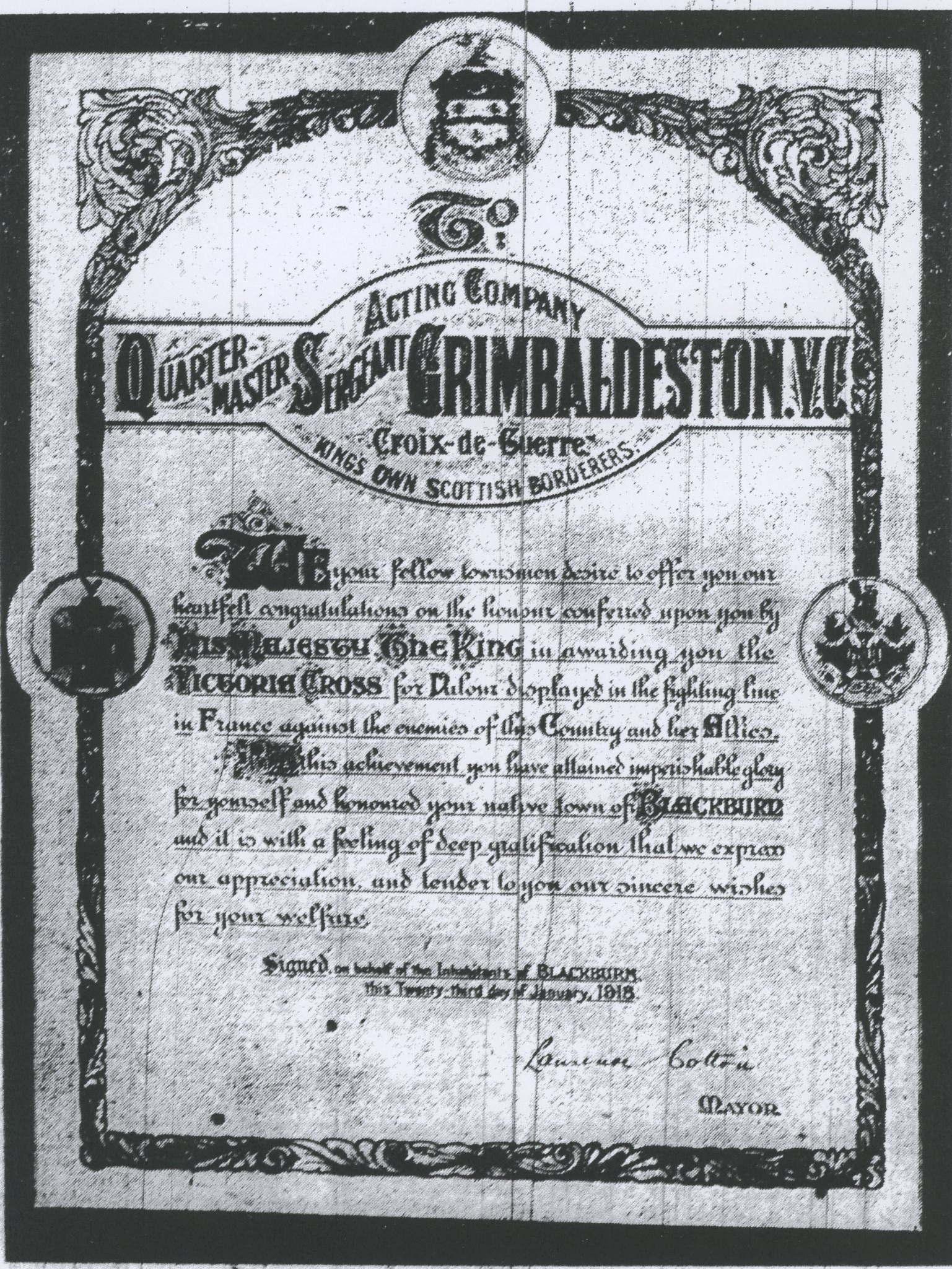
Facsimile of the Illuminated Address presented presented to William by the Mayor of Blackburn, Lawrence Cotton,
Blackburn Weekly Telegraph, January 26th, 1918
Over the years, there were many accolades bestowed upon William, as the town expressed and conveyed its appreciation for his military distinction. It is perhaps noteworthy to mention at this point that despite William's heroic achievements on the battlefield he was described in many local newspaper reports as a shy, retiring man. The Blackburn Weekly Telegraph, Saturday September 15th, 1917 mentioned that “were it possible to have kept his bravery from the knowledge of the public he would have been the last man to have said anything about it". After the Victoria Cross ceremony in London, October 20th, 1917, it was reported in the same paper that “Grimbaldeston said he was much more nervous when receiving the medal from the King than he was when performing the act which won him the honour. The King told him that through his efforts the lives of many of his comrades had been saved."